Schumer, Jeffries Threaten DHS Shutdown Over ICE Reforms
Democrats demand 10 ICE reforms and say they will withhold DHS funding after the Feb. 13, 2026 deadline, officials confirmed.

 The Intercept
Senate Dems Who Pushed Meatier ICE Reform Shy Away From Criticizing Schumer’s Softer Package
 Daily Signal
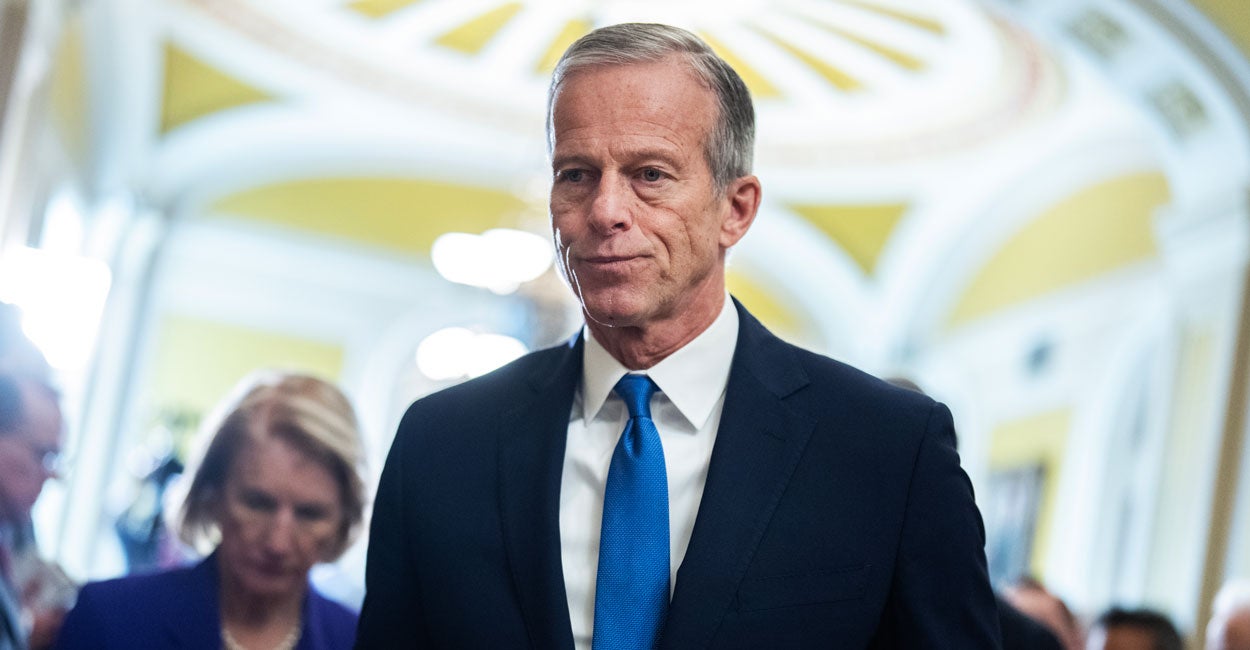
Republicans Scoff at Democrats' Latest ICE Demands
 Epoch Times
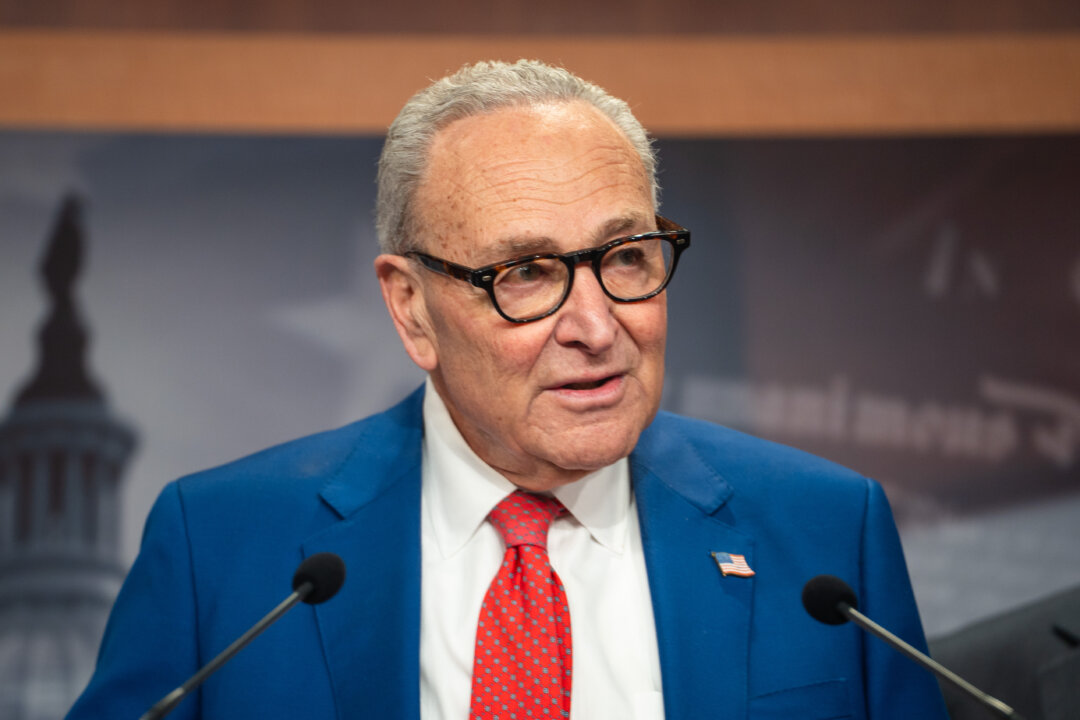
Democrats Lay Out Demands for DHS Funding Package
 Associated Press
A Homeland Security shutdown grows more likely as Republicans rebuff Democratic demands for ICE
Overview
Senate Minority Leader Chuck Schumer and House Minority Leader Hakeem Jeffries sent a letter to Senate Majority Leader John Thune and House Speaker Mike Johnson outlining 10 specific reforms to U.S. Immigration and Customs Enforcement and warning Democrats will withhold Department of Homeland Security funding after the Feb. 13, 2026 deadline, officials confirmed.
The demands include requiring officers to display identification, banning face coverings, mandating judicial warrants to enter private property, imposing use-of-force limits and requiring body-worn cameras, measures framed as a response to January 2026 Minneapolis shootings that killed two protesters, according to the letter.
Senate Majority Leader John Thune called the proposals "unrealistic and unserious" on the Senate floor and Sen. Katie Britt described them as a "ridiculous Christmas list," while some Republicans signaled openness to body cameras and included $20 million for cameras in underlying spending legislation, according to public statements and officials.
Funding for DHS is set to expire on Feb. 13, 2026, and a lapse would affect the Transportation Security Administration, the Federal Emergency Management Agency, the Coast Guard and the Secret Service, while ICE funding would remain tied to a multiyear allocation officials estimated at roughly $75 billion over the next decade, officials said.
Schumer said Democrats would provide legislative text within 24 hours and Jeffries said he would not accept another short-term continuing resolution past Feb. 13, 2026, signaling a likely standoff as negotiations continue and the White House ordered a drawdown of 700 agents from Minnesota, records show.
Analysis
Center-leaning sources present both parties' positions, attribute strong evaluative language to quoted officials, and include policy specifics and polling. They avoid overt editorial language, foreground a timeline and stakes, and highlight proposals and counterarguments — producing conflict-centered but generally balanced coverage that leaves policy judgment to readers.
FAQ
The 10 reforms include: requiring DHS officers to display ID and verbalize it; prohibiting face coverings; mandating judicial warrants for private property entry; ending indiscriminate arrests and verifying non-citizen status before detention; protecting sensitive locations like schools and churches; prohibiting racial profiling; upholding use-of-force standards with training; requiring body cameras; preserving evidence for state/local investigations with consent for large operations; and building safeguards like attorney access in detention facilities.[1]
The demands were triggered by January 2026 shootings in Minneapolis that killed two U.S. citizens—Renee Good on Jan. 7 and Alex Pretti on Jan. 24—during ICE-related operations, sparking protests over agency tactics.
A lapse would impact TSA, FEMA, Coast Guard, and Secret Service operations, while ICE funding remains from a multiyear $75 billion allocation; Democrats refuse further short-term resolutions.
Senate Majority Leader John Thune called them 'unrealistic and unserious'; Sen. Katie Britt termed them a 'ridiculous Christmas list'; some openness to body cameras with $20 million allocated, but opposition to mask bans and judicial warrants due to safety and time concerns.[0]