Trump Warns Iran's Khamenei, Hints at Strikes Amid Talks
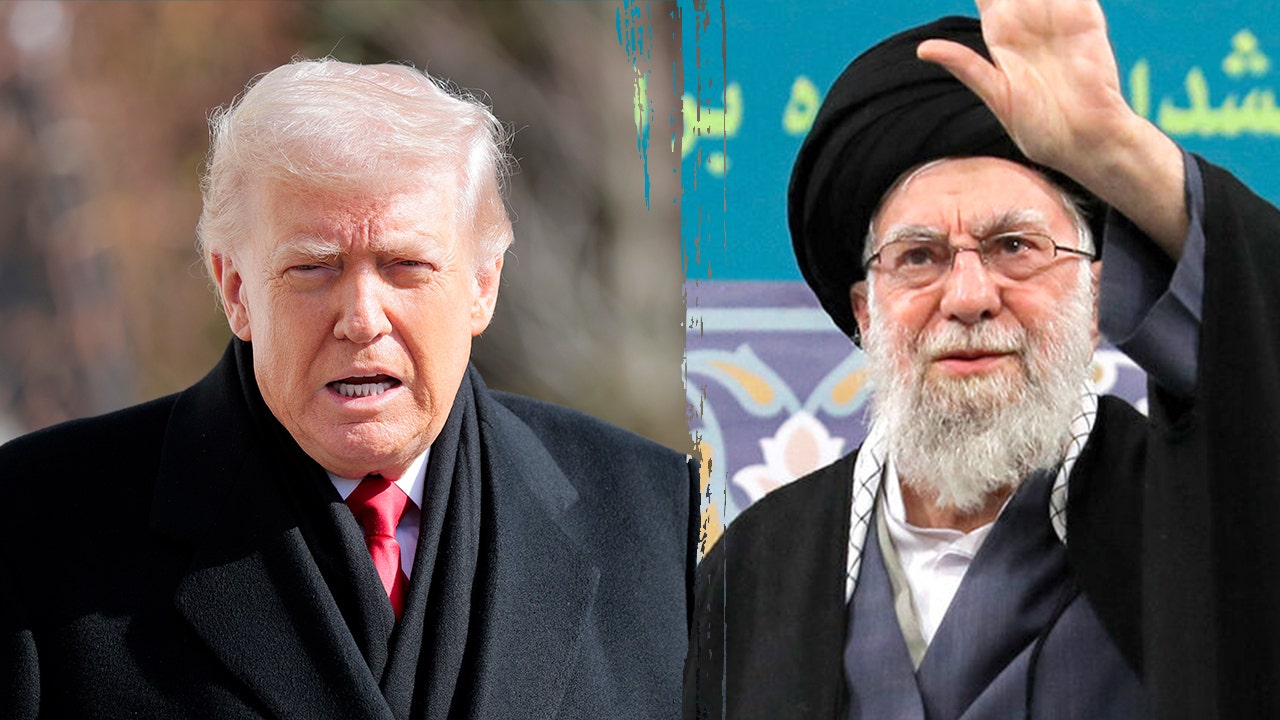
Trump said Ayatollah Ali Khamenei 'should be very worried' and warned of strikes after the Feb. 3 downing of an Iranian drone.




Overview
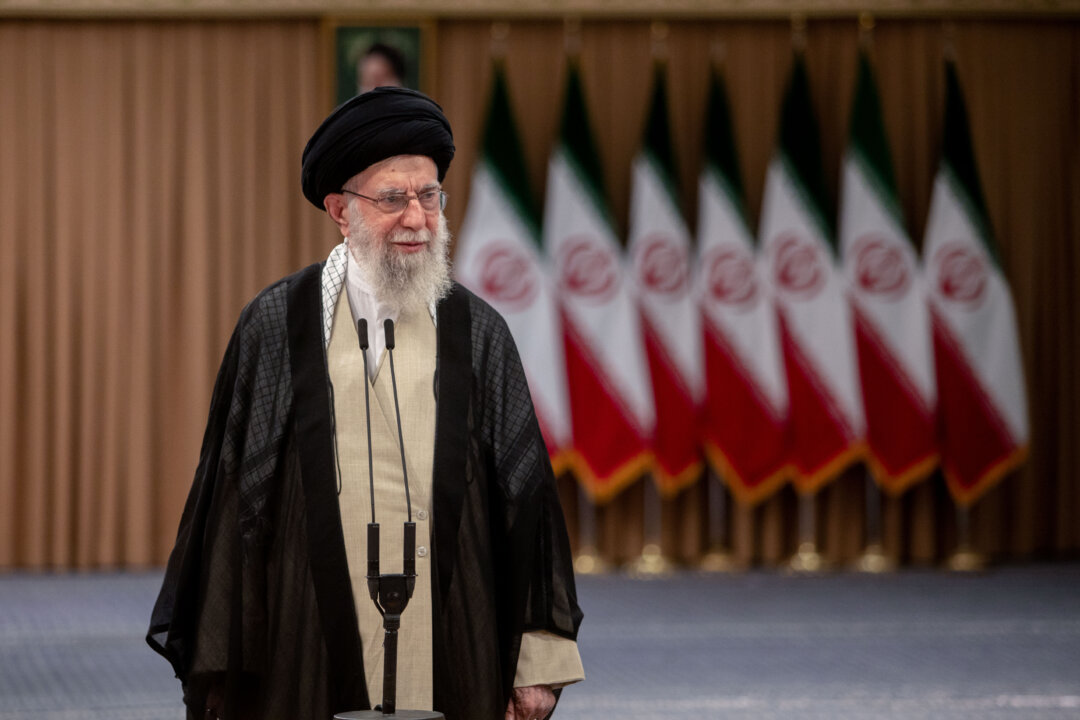
President Donald Trump said in an NBC News interview aired Feb. 4 that Iran's supreme leader, Ayatollah Ali Khamenei, 'should be very worried' and threatened strikes if Tehran restarts its nuclear program.
U.S. Central Command said on Feb. 3 it shot down an Iranian drone about 500 miles off Iran's southern coast and reported Iranian forces harassed a U.S.-flagged merchant vessel, raising tensions before planned talks.
White House press secretary Karoline Leavitt said the scheduled talks were expected to go ahead and warned that U.S. options 'include the use of military force,' according to her Feb. 4 comments.
Special envoy Steve Witkoff was expected to meet Iran's deputy foreign minister Abbas Araghchi this week, and U.S. officials said plans for a Feb. 6 meeting in Istanbul were in flux.
Trump said he preferred a deal but warned 'if we can't, probably bad things would happen,' and U.S. officials said they were keeping a range of options as the talks approached.
Analysis
Center-leaning sources frame the coverage as a U.S.-led escalation, highlighting Trump's threats and military posture while giving space to Iranian retorts and diplomatic openings. Editorial choices — words like 'bellicose,' emphasis on downed drone incidents, and prioritizing U.S. official statements — create a narrative of heightened confrontation with cautious diplomatic context.
FAQ
U.S. Central Command shot down an Iranian drone about 500 miles off Iran's southern coast on Feb. 3, and Iranian forces harassed a U.S.-flagged merchant vessel.
Special envoy Steve Witkoff was expected to meet Iran's deputy foreign minister Abbas Araghchi, with plans for a Feb. 6 meeting in Istanbul in flux; talks have reportedly moved to Oman amid tensions.
The scheduled talks were expected to go ahead, but U.S. options include the use of military force.
Iran's program has been severely damaged by U.S. and Israeli strikes in 2025, but it retains stockpiles of highly enriched uranium, is rebuilding sites, and has ended JCPOA obligations and IAEA oversight.
U.S. Central Command confirmed the deployment of the USS Abraham Lincoln Carrier Strike Group to the Middle East.

