Cuban President Offers U.S. Dialogue While Preparing Fuel Contingency Plan
Díaz-Canel said Cuba will unveil a contingency plan within a week after Venezuela stopped oil shipments in December, as blackouts and fuel rationing intensify.
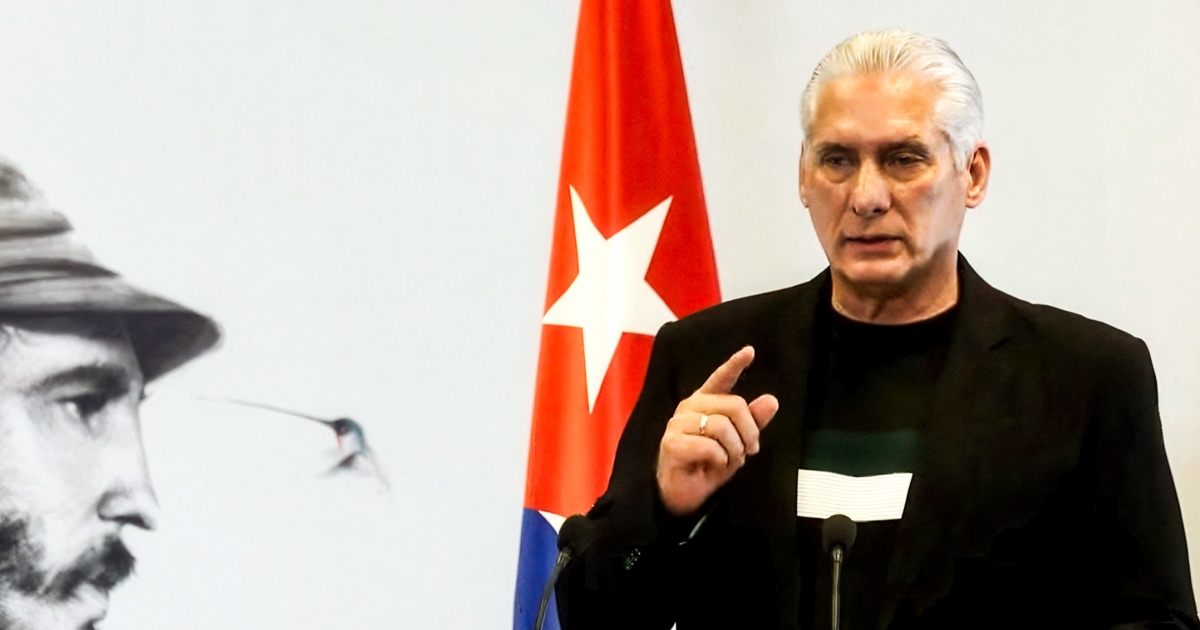
 NBC News
Cuban president says he's willing to talk to U.S. but preparing a 'defense plan' as fuel crisis worsens

 Al Jazeera
Cuba to introduce plan to address fuel shortage amid US blockade
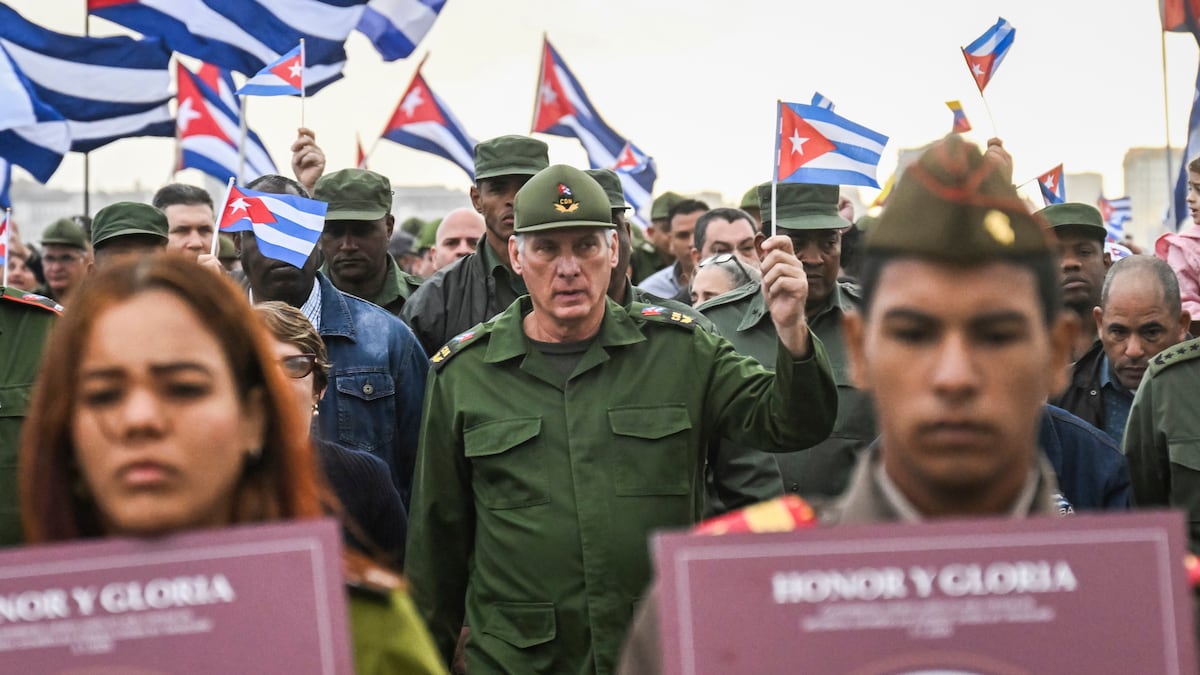
 El Pais
Cuba is ‘willing to engage in dialogue with the US,’ says president Miguel Díaz-Canel
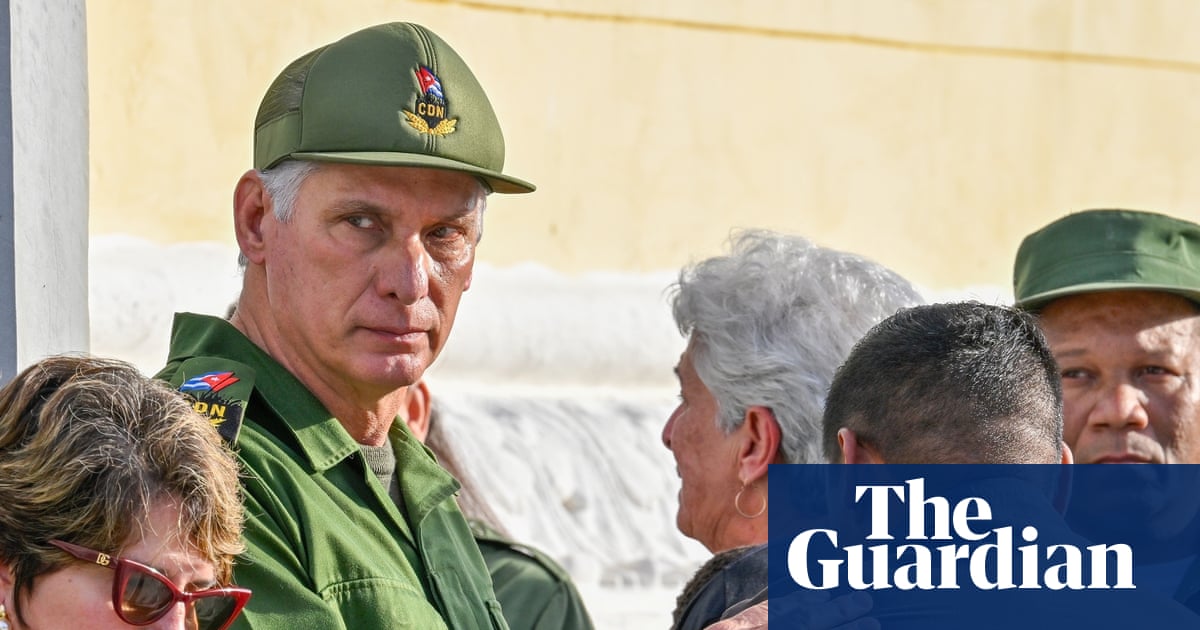
 The Guardian
Cuba open to talks with US ‘without pressure’ after months of Trump threats
Overview
Cuban President Miguel Díaz-Canel said in a televised news conference the government will roll out a contingency plan within a week to confront severe fuel shortages after Venezuela halted oil shipments in December.
The shortages have produced extended blackouts, including a substation failure that caused a total blackout in five eastern provinces, and threaten fuel-dependent services such as hospitals and transportation, Díaz-Canel said.
White House press secretary Karoline Leavitt said President Donald Trump is willing to engage in diplomacy, while Deputy Foreign Minister Carlos Fernández de Cossío said Cuba has not established a formal bilateral dialogue, reflecting conflicting accounts.
Díaz-Canel said Cuba produces about 1,000 megawatts, or 38 percent of daytime generation, from solar panels and that a tanker previously linked to Venezuelan shipments recently loaded a 150,000-barrel gasoline cargo.
Díaz-Canel said Cuba is willing to engage in dialogue without pressure or preconditions and is preparing a 'defense plan' while Mexico pledged humanitarian aid and Trump threatened tariffs on nations supplying oil to Cuba.
Analysis
Center-leaning sources present the story as emphasizing U.S. pressure and Cuban vulnerability. They foreground Díaz‑Canel’s accusatory quotes and citizens’ bleak reactions (source content), while using framing language — e.g., “reflects the mounting economic pressure” — plus background on sanctions and supply cuts to imply external causes over internal failings.
FAQ
The fuel shortages stem from Venezuela halting oil shipments in December, exacerbated by U.S. efforts to block oil supplies through tariffs on supplying countries and pressure on nations like Mexico.
The shortages have caused extended blackouts, including a total blackout in five eastern provinces, fuel rationing, disruptions to hospitals, transportation, schools, agriculture, economy, and tourism, and rising food prices.
President Díaz-Canel announced a multi-sector contingency plan to be unveiled within a week, involving sacrifices and measures like rationing to address the shortages, while emphasizing solar power production at 38% of daytime generation.
White House press secretary Karoline Leavitt stated President Trump is willing to engage in diplomacy, while Cuba's Deputy Foreign Minister said no formal bilateral dialogue has been established; Trump also threatened tariffs on oil suppliers to Cuba.
Mexico pledged humanitarian aid including food; the UN warned of a possible humanitarian collapse if oil needs go unmet; Cuban officials praised a call with Russian Foreign Minister Sergey Lavrov.
