U.S., Iran Call Muscat Indirect Talks 'A Good Start'
Indirect talks in Muscat on Feb. 6, 2026 ended with a 'good start,' Iran said; follow-on rounds will be set after consultations in Tehran and Washington.
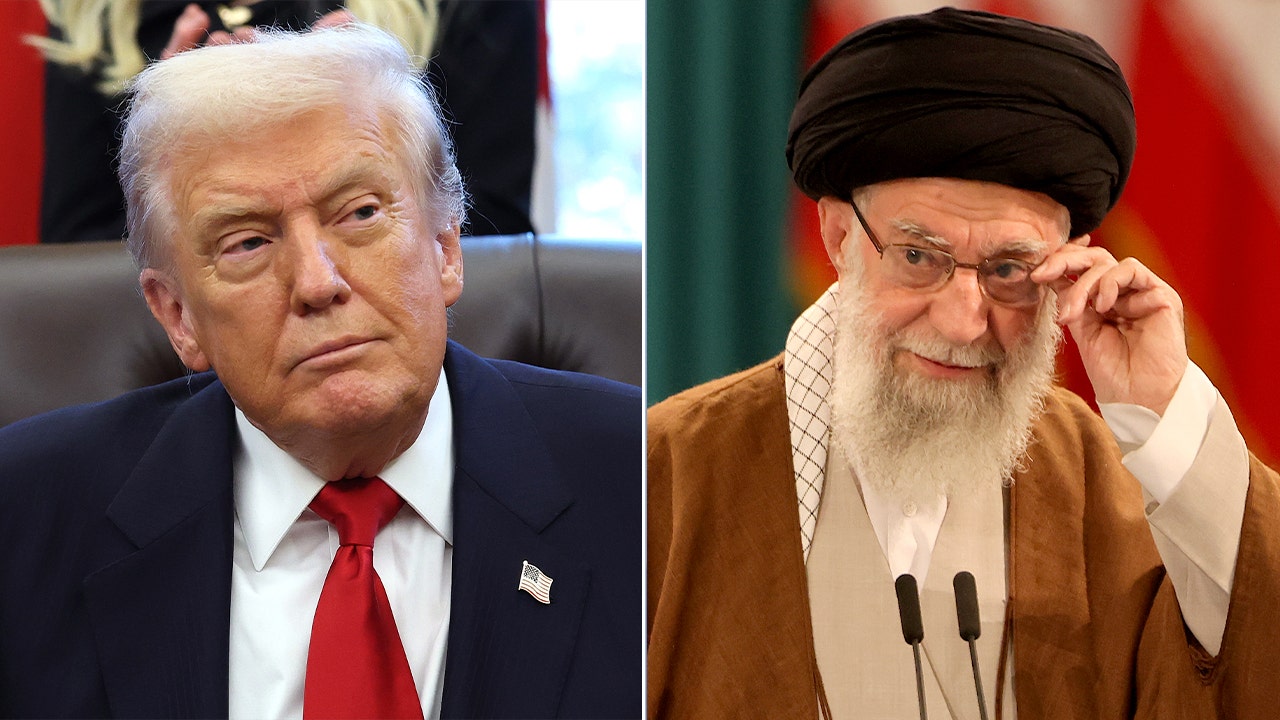
 FOX News
Trump says nuclear talks in Oman were 'very good,' claims Iran wants a deal 'very badly'

 One America News Network
U.S. and Iran representatives meet for in-person talks about Tehran’s nuclear program

 NPR
NPRWhat's next for the U.S. and Iran following preliminary talks?
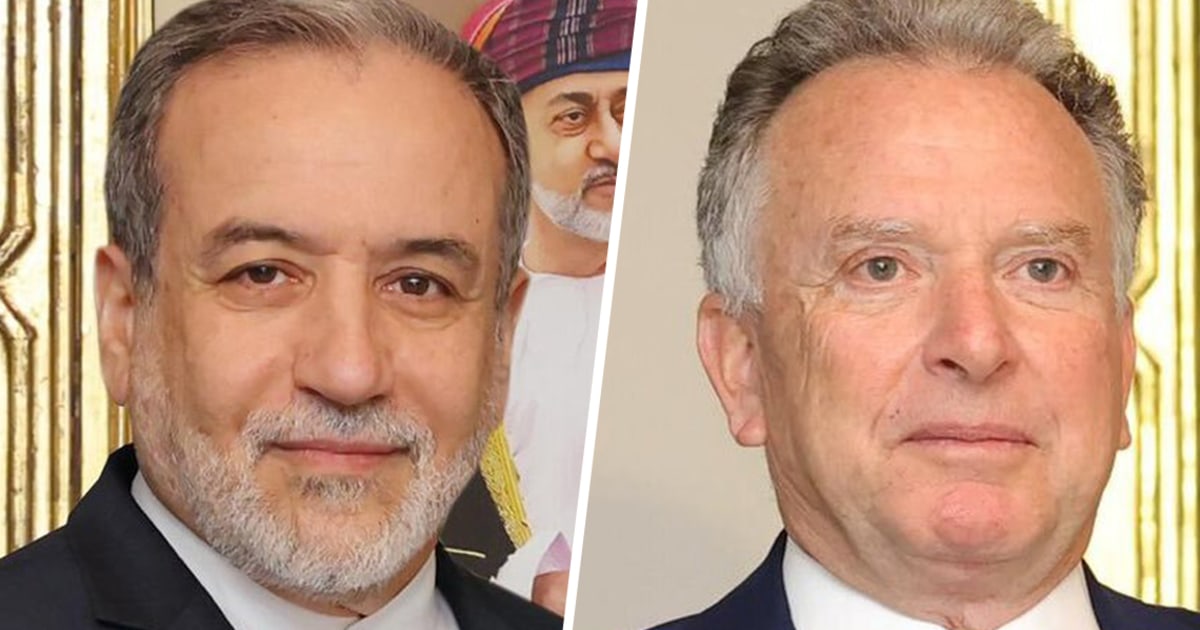
 NBC News
Trump calls U.S. and Iran talks in Oman 'very good' and says there will be another meeting
Overview
Iranian Foreign Minister Abbas Araghchi said in Muscat on Feb. 6, 2026 that eight hours of indirect talks with U.S. envoys Steve Witkoff and Jared Kushner were 'a good start,' Omani officials said.
The talks took place amid a U.S. military buildup that included the USS Abraham Lincoln carrier strike group and the presence of U.S. Central Command Commander Adm. Brad Cooper, U.S. officials and satellite imagery showed.
President Donald Trump said aboard Air Force One the talks were 'very good,' another meeting would be early next week and warned 'If they don't make a deal, the consequences are very steep.'
The State Department announced sanctions targeting 15 entities, two individuals and 14 shadow-fleet vessels connected to illicit Iranian petroleum trade, the department said.
Oman’s Foreign Ministry said diplomats would 'reconvene in due course,' but follow-on rounds depend on consultations in Tehran and Washington, Omani officials said.
Analysis
Center-leaning sources frame the Oman talks as a tense stopgap under U.S. military pressure, emphasizing American leverage (Admiral in uniform, carrier nearby), Iran’s insistence on a nuclear-only agenda, and the human cost of Iran’s crackdown. Editorial choices prioritize U.S. coercion and regional risk while giving cautious Iranian statements space.
FAQ
The U.S. delegation included special envoys Steve Witkoff and Jared Kushner, along with U.S. Central Command commander Adm. Brad Cooper.
Araghchi described the eight hours of indirect talks as 'a good start' and stated that future meetings depend on consultations in Tehran and Washington.
The USS Abraham Lincoln carrier strike group was deployed, and U.S. Central Command Commander Adm. Brad Cooper attended the talks.
The talks focused primarily on Iran's nuclear program; Iran refused to discuss its missile program, repression of protesters, or support for proxy groups, and rejected ending nuclear enrichment.
Trump called the talks 'very good,' stated another meeting would occur early next week, and warned of 'very steep' consequences if no deal is made.
