Justice Department Lets Congress Review Unredacted Epstein Files
Lawmakers can view more than 3 million unredacted pages at DOJ reading rooms starting Feb. 9, 2024, with 24 hours' notice and no staff access.
 ABC News
Justice Department will allow lawmakers to see unredacted versions of Epstein files
 Associated Press
Justice Department will allow lawmakers to see unredacted versions of released Epstein files

 Washington Examiner
DOJ allowing Congress to view unredacted Epstein files

 USA TODAY
DOJ to allow Congress to view unredacted Epstein files starting Feb. 9
 Newsmax
DOJ to Let Lawmakers Review Unredacted Epstein Files
Overview
Assistant Attorney General Patrick Davis wrote in a letter that members of Congress will be allowed to review unredacted versions of more than 3 million pages of Epstein-related documents beginning Feb. 9, 2024, at Department of Justice reading rooms with 24 hours' notice.
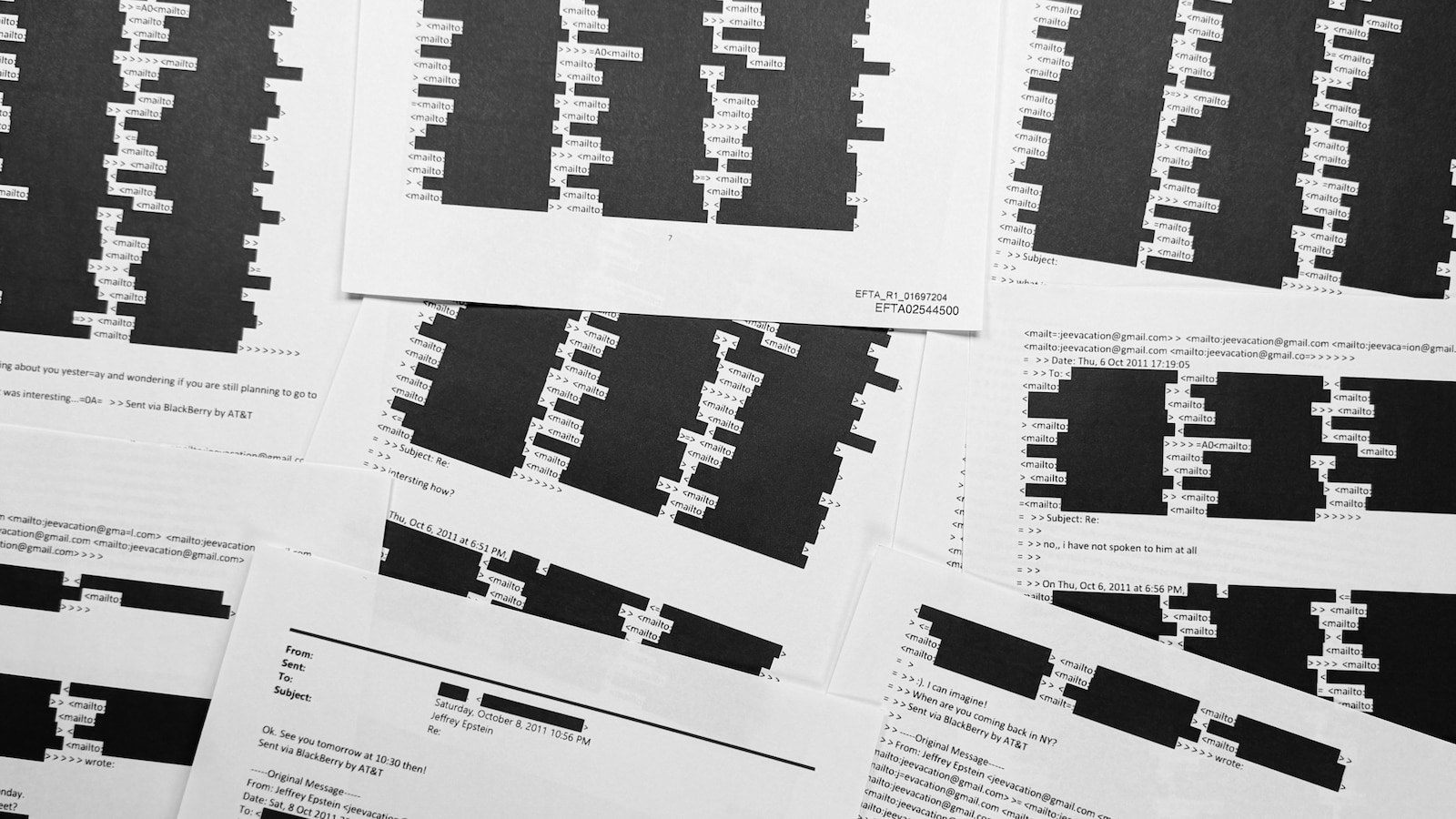
The access responds to the Epstein Files Transparency Act and congressional pressure after criticism that the Justice Department delayed releases and over-redacted victims' information, lawmakers and records show.
Rep. Ro Khanna, who sponsored the Epstein Files Transparency Act, said in a social media post that the DOJ concession was a victory, writing "When Congress pushes back, Congress can prevail," while Rep. Thomas Massie urged further scrutiny.
The Justice Department told lawmakers it is withholding roughly 2.5 million pages entirely and that the government possesses more than 6 million pages overall, and Deputy Attorney General Todd Blanche said at a Jan. 30 press conference that about 200,000 pages were redacted or withheld for privileges, a discrepancy lawmakers noted.
Lawmakers must review the files on DOJ computers between 9 a.m. and 6 p.m. ET Monday through Friday, may take written notes but not electronic copies, and must give the department at least 24 hours' notice, the letter said.
Analysis
Center-leaning sources frame this as a transparency-and-accountability win by emphasizing DOJ shortcomings and lawmakers’ triumphs. Editorial choices—highlighting criticism of delays, redaction failures, and a lawmaker’s celebratory quote—prioritize oversight and victims’ interests; absence of DOJ response and reliance on lawmaker statements signals framing through source selection and emphasis.
FAQ
Lawmakers must provide 24 hours' notice, review files on DOJ computers between 9 a.m. and 6 p.m. ET Monday-Friday, alone without staff, and may take written notes but not electronic copies.[1]
The DOJ possesses over 6 million pages total, is withholding about 2.5 million entirely, and allows Congress to review more than 3 million unredacted pages.
The Act requires the DOJ to release Epstein documents; it was sponsored by Rep. Ro Khanna in response to DOJ delays, over-redactions of victim info, and incomplete releases.
Rep. Ro Khanna called it a victory for Congress pushing back; Rep. Thomas Massie urged further scrutiny.[1]
Access begins on February 9, 2024, at DOJ reading rooms.[1]
