Takaichi Secures Supermajority, Vows Fiscal and Defense Push
Takaichi's coalition captured 352 of 465 lower-house seats, and she pledged a $135 billion stimulus and defense bill timeline, NHK and campaign records show.
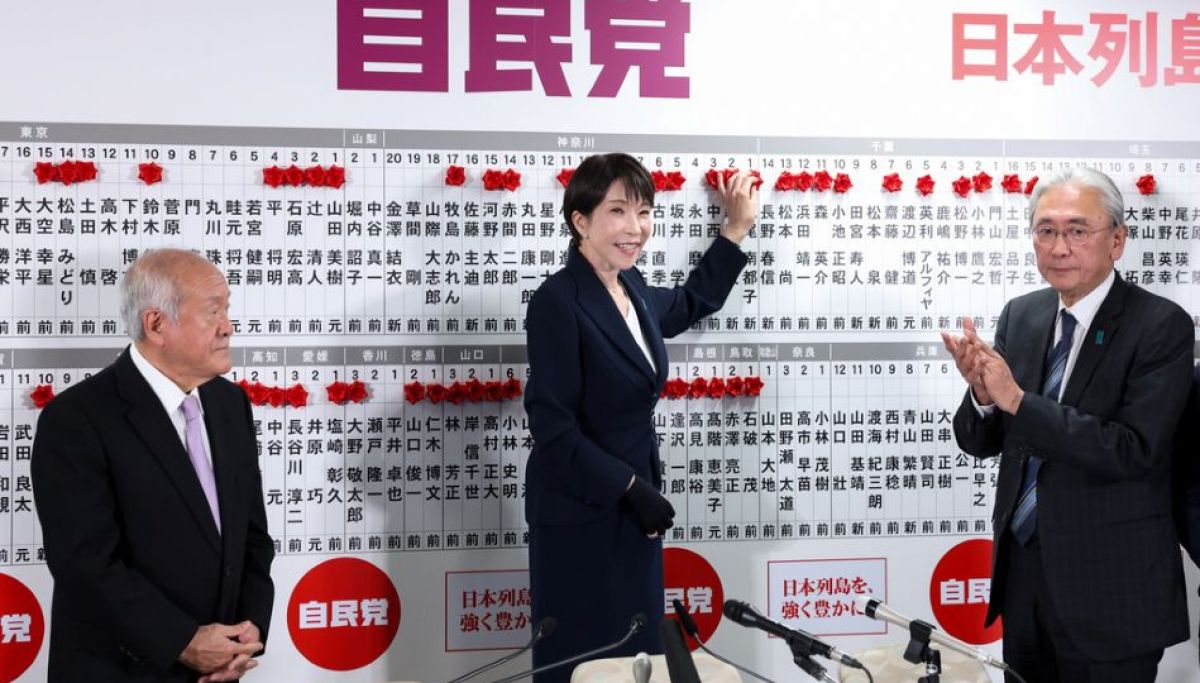
 Washington Examiner
Japan's Takaichi wins big in snap election after Trump endorsement
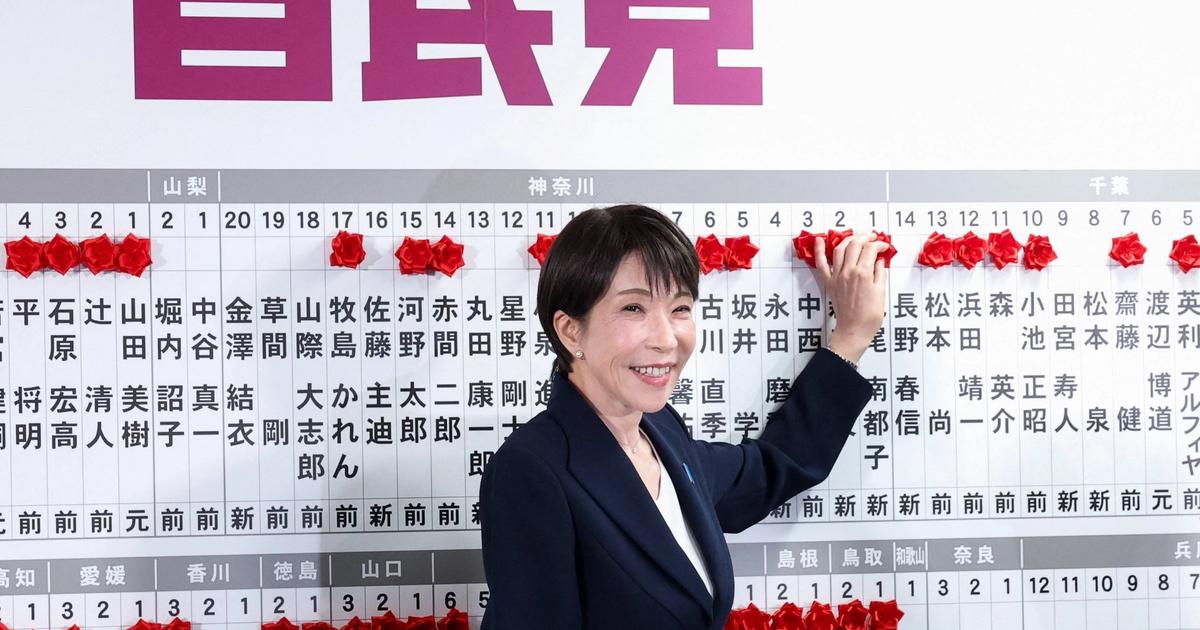
 Semafor
Japanâs Takaichi scores strong mandate in election
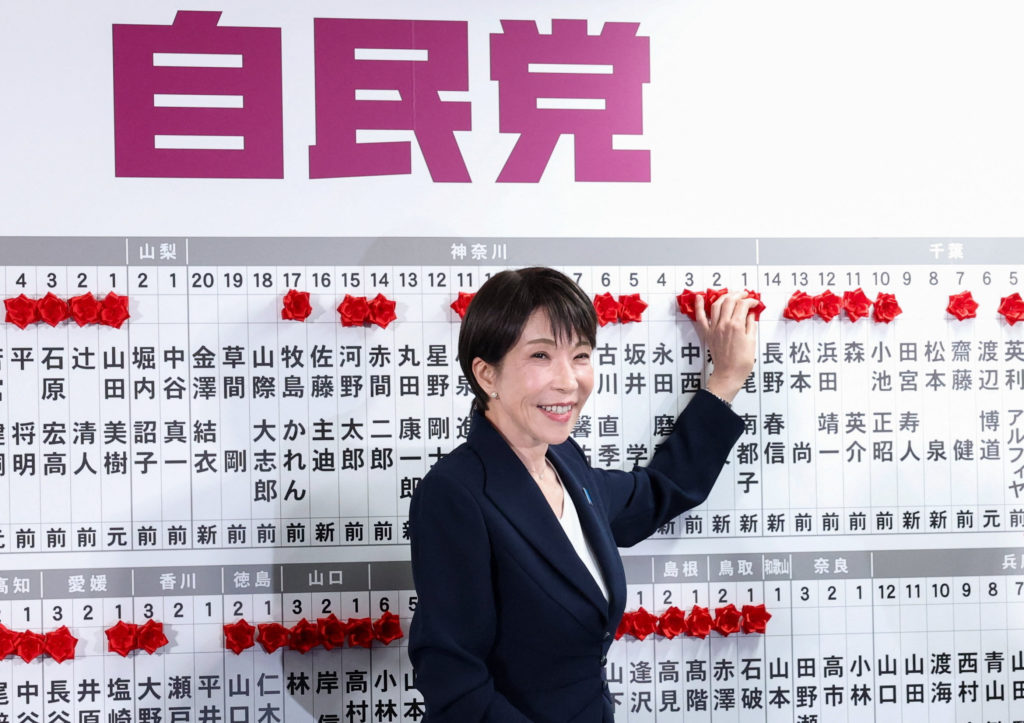
 PBS NewsHour
Japanese prime minister's party secures supermajority in a key parliamentary election

 Daily Caller
Trump-Endorsed Ally's Political Gamble Pays Off As Voters Overwhelmingly Embrace Tough Stance On China, Immigration
Overview
NHK vote counts show Prime Minister Sanae Takaichi’s coalition won 352 of 465 lower-house seats, including the Liberal Democratic Party’s 316 seats and the Japan Innovation Party’s 36 seats, giving her a legislative supermajority in preliminary Feb. 8, 2026 results.
The snap election, called by Takaichi who became Japan’s first female prime minister in October, aimed to expand the LDP’s slim majority so she could push expansionary fiscal and defense policies, campaign statements show.
Prime Minister Sanae Takaichi said in a televised NHK interview she will pursue defense revisions by Dec. and a $135 billion stimulus to boost the economy, campaign records and NHK reporting show.
Opposition leaders acknowledged heavy losses and analysts said the fragmented opposition, including gains by Sanseito and a centrist alliance, may struggle to block constitution or defense revisions, according to NHK and analysts.
The lower house is scheduled to reconvene in mid-February to consider a delayed budget, and Takaichi’s coalition can press bills through without another election until 2028, though analysts warned markets could react to tax and defense moves.
Analysis
Center-leaning sources frame Takaichi’s victory as a decisive mandate enabling bold fiscal and security shifts, linking domestic politics to markets and geopolitics. They use evaluative language ("gamble," "landslide," "ultraconservative"), foreground official and analyst reactions (market and diplomatic responses), and balance personality-driven popularity with concerns about China tensions and civil-rights risks.
FAQ
Sanae Takaichi is Japan's first female prime minister, who assumed office in October 2025 and called a snap election to strengthen her position.
Takaichi's coalition, including the LDP with 316 seats and the Japan Innovation Party with 36 seats, won 352 out of 465 lower-house seats, securing a supermajority.
She pledged a $135 billion stimulus package, defense revisions by December, and economic reforms including suspending the 8% consumption tax on food.
The snap election was called to expand the LDP's slim majority, enabling her to push expansionary fiscal policies and defense revisions.
Opposition leaders acknowledged heavy losses, with fragmented groups like Sanseito gaining some seats (up to 14), but struggling to block major legislation.

