Russia Says It Will Observe New START Limits If U.S. Does
Moscow says it will keep to New START's limits so long as the United States does after the treaty expired on Feb. 5, 2026.
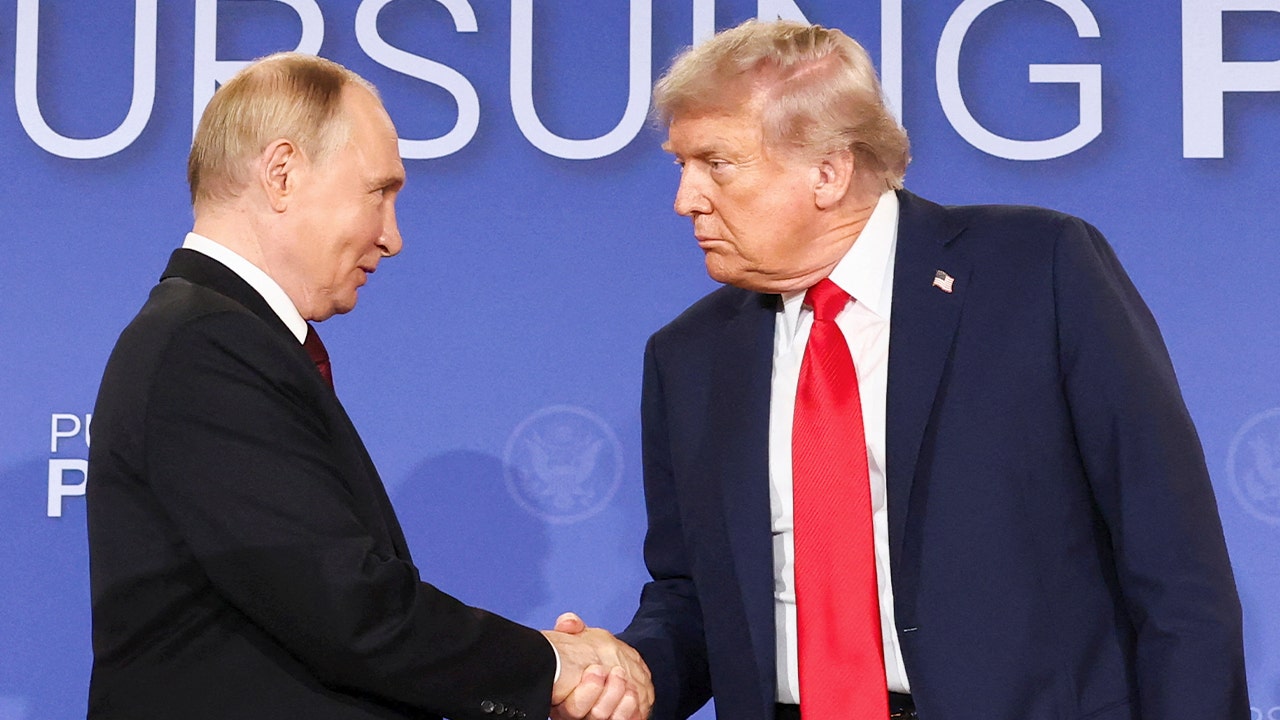
 FOX News
Russia agrees to abide by expired New START nuclear arms limits — as long as US does the same

 Al Jazeera
Russia says it will stick to limits of expired nuclear treaty if US does
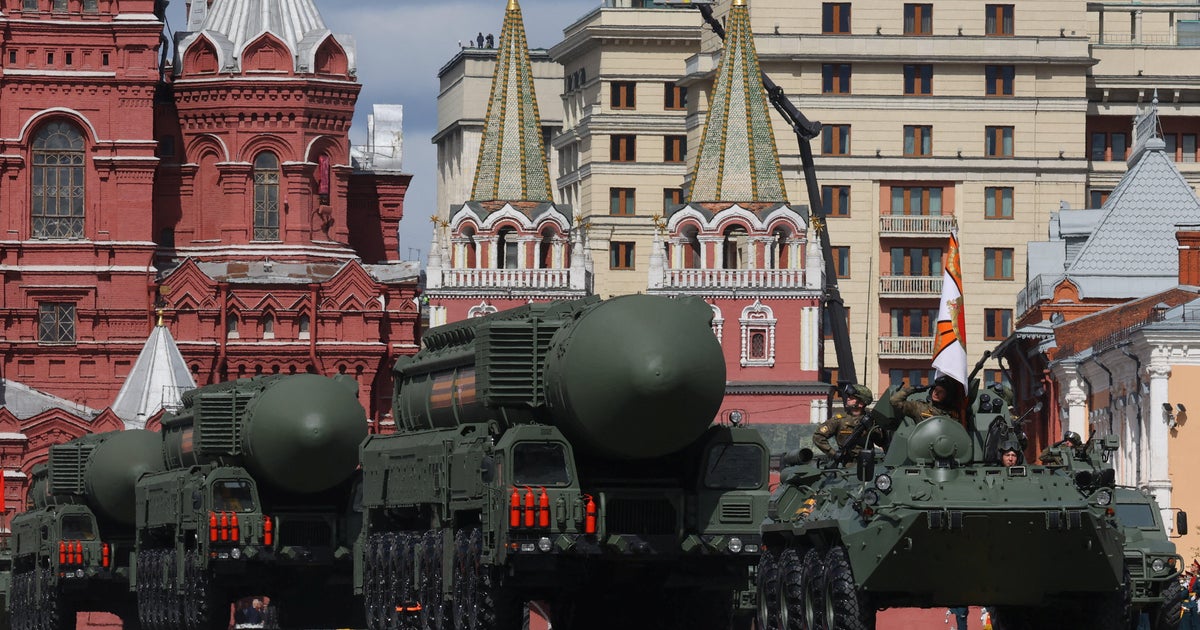
 CBS News
Russia says again that it will stick to limits on nuclear weapons in expired New START treaty, if U.S. does
Overview
Russian Foreign Minister Sergey Lavrov said Moscow will observe New START's quantitative limits if the United States does the same, according to his address to parliament.
The New START treaty expired on Feb. 5, 2026, removing binding caps of 1,550 deployed strategic warheads and suspending on-site inspections between the United States and Russia.
President Donald Trump said on Truth Social he wants a "new, improved and modernized" treaty rather than an extension, according to his Truth Social post.
China's arsenal has been growing by about 100 warheads per year since 2023 to an estimated 600 warheads, while the U.S. and Russia each hold about 4,000 warheads, SIPRI data show.
Both Moscow and Washington have said they are open to talks on a new agreement, but China refuses trilateral negotiations and Russia demands inclusion of the U.K. and France, complicating prospects for a replacement accord.
Analysis
Center-leaning sources present this story neutrally: they separate source content (quoting Lavrov, Kremlin spokesman Dmitry Peskov and Putin) from reporting, provide treaty history and verification details, and include U.S. perspectives (Biden’s extension, debate over China’s role, Trump’s testing directive). Editorial language is factual, without evaluative terms or omitted viewpoints.
FAQ
The treaty capped deployed strategic warheads at 1,550 and included limits on delivery systems, with verification through on-site inspections and data exchanges.
It was extended once for five years in 2021 as permitted, expiring on February 5, 2026; negotiations failed due to tensions over Ukraine, Russia's suspension in 2023, and disagreements on including other nations.
Russia will observe the treaty's quantitative limits if the United States does the same, as stated by Foreign Minister Sergey Lavrov.
It ends binding limits, verification, and transparency for the first time since the 1970s, risking arms races, reduced predictability, and undermining the Nuclear Non-Proliferation Treaty.
China's arsenal is growing rapidly to about 600 warheads; the U.S. wants its inclusion in new treaties, but China refuses trilateral talks, and Russia demands U.K. and France be included.

