Top Trump Immigration Officials Defend Enforcement at Fiery House Hearing
Acting ICE Director Todd Lyons and CBP Commissioner Rodney Scott defended tactics and said 'we are only getting started' amid scrutiny after two Minneapolis killings.

 Chicago Sun-Times
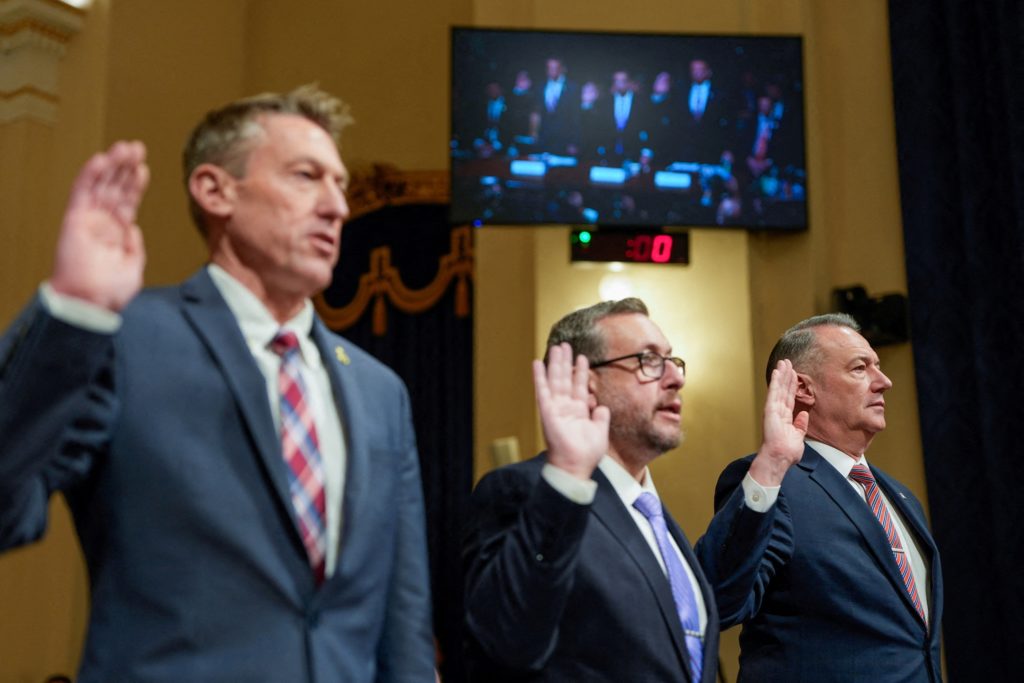
Top Trump DHS officials defend enforcement during fiery hearing: 'We are only getting started'
 PBS NewsHour
Immigration officials defend officers and tactics as public backlash grows
 Associated Press
How the head of ICE responded to questions in Congress over Trump's immigration policies
Overview
Todd Lyons, Acting Director of U.S. Immigration and Customs Enforcement, told the House Homeland Security Committee he supported officers and said "we are only getting started" during a hearing that lasted more than three hours, according to committee testimony.
Lyons and Rodney Scott, Commissioner of U.S. Customs and Border Protection, repeatedly declined to answer questions about the killings of Renee Macklin Good and Alex Pretti, both of which are under active investigation, according to officials' testimony.
Democrats on the panel, including Rep. Bennie Thompson and Rep. Delia Ramirez, accused the Department of Homeland Security of "lawlessness" and demanded accountability, while Republicans such as Rep. Andrew R. Garbarino defended federal officers and blamed local officials, according to the hearing record.
Lyons said approximately 3,000 of about 13,000 ICE agents wear body cameras and that 10,000 of 20,000 Border Patrol agents now wear body cameras, figures he provided under questioning.
Lawmakers warned that Department of Homeland Security funding faces a lapse at the end of the week and scheduled an additional hearing on ICE practices for Thursday, which could shape negotiations over ICE reforms, according to committee participants.
Analysis
Center-leaning sources frame the coverage as a high-stakes clash between enforcement defenders and Democratic critics, using charged headline language like fiery hearing and defiant warning, foregrounding officials’ procedural defenses and Republican backing, then juxtaposing Democrats’ moral condemnations. This ordering and emphasis emphasize confrontation and legitimacy questions.
FAQ
The killings refer to the fatal shootings of two U.S. citizens, Renee Macklin Good and Alex Pretti, amid President Trump's immigration enforcement surge.