DHS Begins Drawdown of Metro Surge After Fatal Shootings
Tom Homan said on Feb. 12 he proposed and President Donald Trump concurred to end Operation Metro Surge, which followed deadly shootings and led to thousands of arrests, and the drawdown will continue under Homan’s oversight.
 NBC News
DHS has no immediate plans for sweeping city-specific immigration enforcement operations, officials say
 Associated Press
Minnesotans welcome the immigration surge drawdown but remain vigilant
 Newsmax
Minnesota Sheriffs: Policies Unchanged After ICE Surge
 Reason
Lessons of the End of Trump's ICE "Surge" in Minnesota
Overview
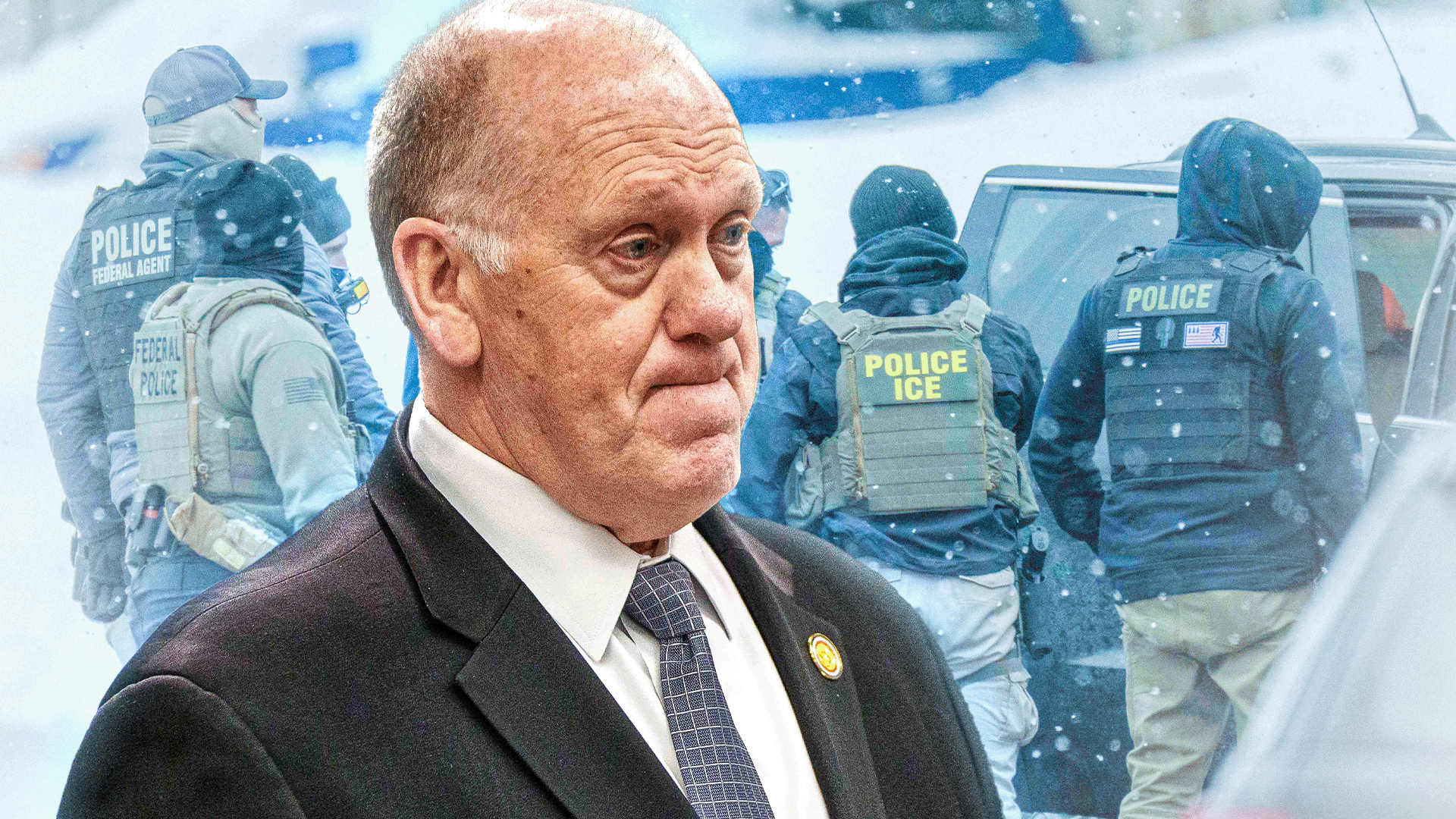
Tom Homan said on Feb. 12 he proposed and President Donald Trump concurred to conclude Operation Metro Surge and begin a drawdown of federal immigration enforcement in the Twin Cities.
The operation followed the Jan. 24 shooting death of Alex Pretti and the earlier death of Renee Nicole Good, prompting a Justice Department Civil Rights Division investigation and national scrutiny.
Gov. Tim Walz said the surge left "deep damage," residents held vigils at shooting sites and local officials urged vigilance even as some sheriffs reported no policy changes.
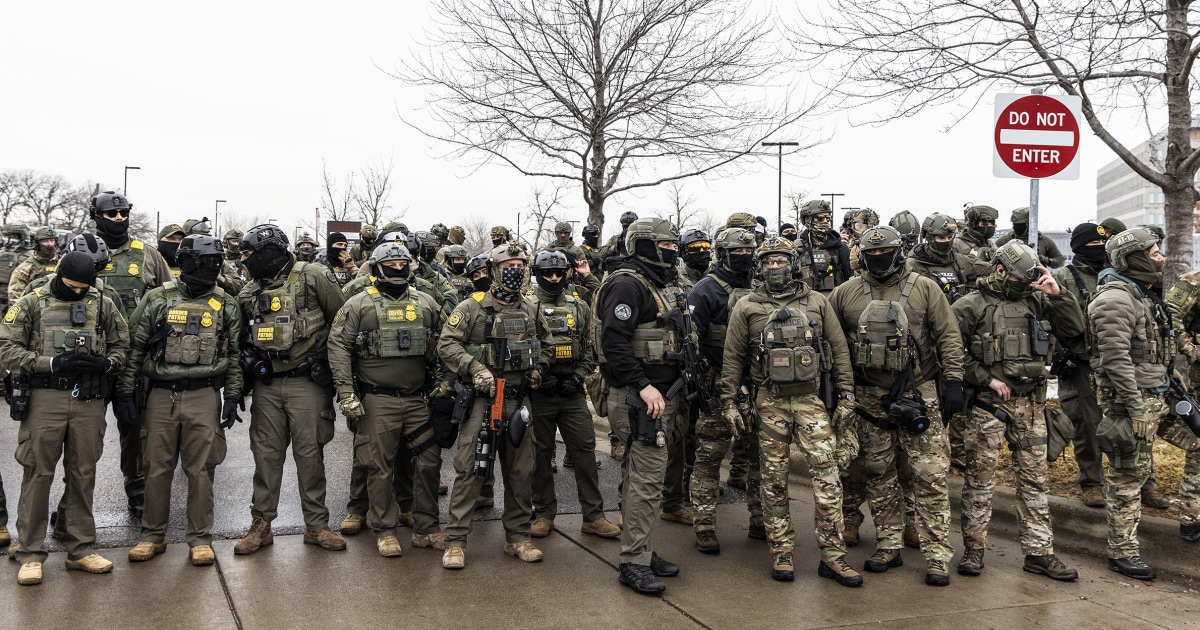
The operation, launched Nov. 29, deployed up to roughly 3,000 federal officers and officials said it resulted in more than 4,000 arrests; Homan ordered 700 withdrawn on Feb. 4, leaving roughly 2,000 in Minnesota.
A small enforcement footprint will remain as Homan oversees the drawdown, Congress prepares oversight hearings and prosecutors pursue federal cases and deportation proceedings, including searches for about 16,840 people with final orders in Minnesota.
Analysis
Center-leaning sources frame the drawdown as relief tempered by lasting harm, using editorial choices to emphasize community impact and official criticism. They foreground human costs (deaths, vigils) and governors’ condemnations, sequence adversity early, and present DHS statements as source content rather than editorial endorsement — privileging a harm-focused narrative.
FAQ
Operation Metro Surge was a 10-week federal immigration enforcement operation launched on November 29 in the Twin Cities, Minnesota, deploying up to 3,000 ICE and CBP agents, resulting in over 4,000 arrests.
It followed the fatal shootings of U.S. citizens Renee Nicole Good and Alex Pretti by federal agents, amid concerns over immigration fraud involving Somali residents and public safety threats.
Tom Homan proposed ending it on February 12, with President Trump concurring; it led to over 4,000 arrests of individuals described as public safety threats, though many detainees had no criminal records.
Critics reported arrests of asylum seekers, women, children, and long-term residents without criminal records, racial profiling, civil rights abuses, and incidents like a chase causing a collision.
A drawdown began with 700 officers withdrawn on February 4, leaving about 2,000, and will continue under Tom Homan's oversight, with a small enforcement footprint remaining for ongoing cases and deportations.