U.S. District Judge James Boasberg Orders Return of Deported Venezuelans
Boasberg gave lawyers until Feb. 27 to say which of 137 Venezuelan plaintiffs want to return and ordered the government to pay travel and return IDs.





Overview
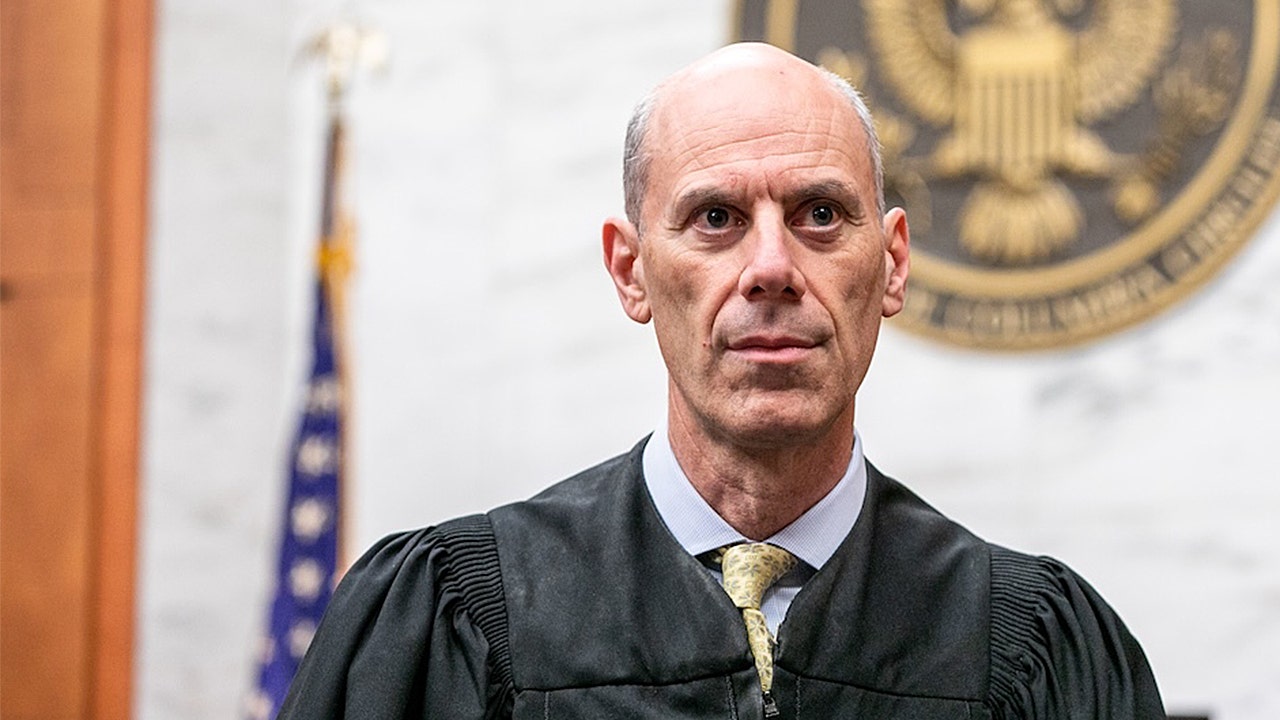
U.S. District Judge James Boasberg wrote in a Feb. 12 order that the government must facilitate the return from third countries of those Venezuelan plaintiffs deported under the Alien Enemies Act and parole them into U.S. immigration custody if they present at a port of entry.
The directive follows Boasberg's December finding that the government denied due process to a certified class of 137 Venezuelans who were removed last March to El Salvador's CECOT prison under the 1798 Alien Enemies Act, court records show.
Department of Justice lawyers told the court they preferred the migrants return to the U.S. rather than remote hearings and can appeal Boasberg's order, while Lee Gelernt, an ACLU lawyer representing the men, said in court that "these men suffered brutal abuse and torture," according to filings.
The underlying case stems from the March removal of 252 suspected Venezuelan nationals to CECOT and includes Boasberg's instruction that the government pay air travel costs, return passports and identification, and make good-faith efforts to obtain documents transferred to El Salvador, court documents show.
Lawyers for the plaintiffs have until Feb. 27 to inform the court which individuals want to travel to a U.S. port of entry or seek government flights, the government must file a status report by March 13, and the judge's order explicitly does not apply to Venezuelans who remain in Venezuela amid ongoing diplomatic tensions, court filings show.
Analysis
Center-leaning sources frame this as a judicial rebuke of the Trump administration’s immigration practices, emphasizing due‑process violations and humanitarian harm. They foreground the judge’s blunt language and ACLU quotes, use loaded descriptors (e.g., “treated due process as optional,” “notorious” prison), and give little space to government defenses.
FAQ
The Alien Enemies Act is a 1798 wartime law allowing the deportation of noncitizens from enemy nations with minimal due process. President Trump invoked it in March to label and deport 252 suspected Venezuelan Tren de Aragua gang members as terrorists, sending them to El Salvador's CECOT prison despite court orders.
The 252 suspected Venezuelan nationals were deported last March under the Alien Enemies Act to El Salvador's CECOT prison, with Judge Boasberg finding that U.S. officials like Homeland Security Secretary Kristi Noem had foreknowledge and control over their placement there as part of the administration's immigration strategy.
Judge Boasberg ordered the government to facilitate and fund the return from third countries of the 137 plaintiffs, provide travel documents and passports, parole them into U.S. immigration custody if they arrive at a port of entry, and file a status report by March 13; lawyers must indicate by Feb. 27 who wants to return.
The order excludes those in Venezuela due to sensitive foreign affairs concerns and ongoing diplomatic tensions, though the government must report on the feasibility of their return if they wish to come for proceedings.
Returned individuals can be paroled into government custody for their immigration proceedings and may be subject to re-deportation afterward.

