DOJ Sues Harvard Over Withheld Admissions Data
The Justice Department sued Harvard on February 13, 2026 to compel applicant-level admissions records to check compliance with the 2023 Supreme Court ruling, alleging the university delayed and withheld requested data.

 Townhall
What Is Harvard Trying to Hide? This DOJ Lawsuit Aims to Find Out

 BBC News
Trump administration sues Harvard over data on race in admissions

 Washington Free Beacon
Trump Admin Sues Harvard for Withholding Race-Related Admissions Data
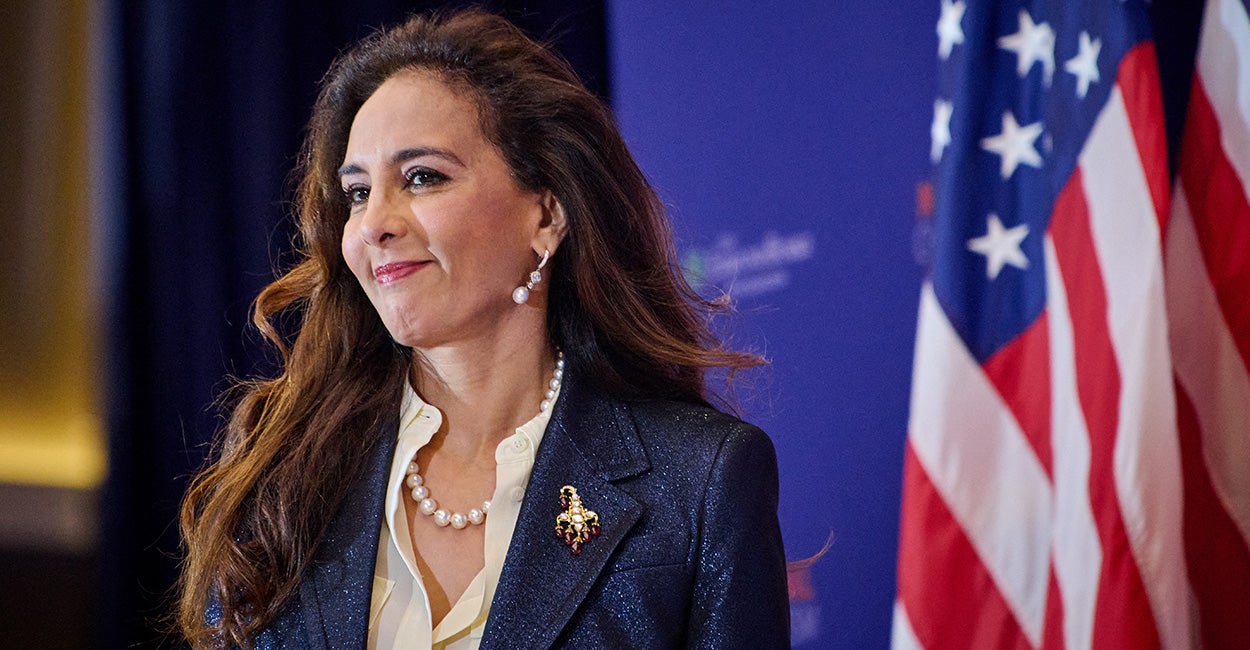
 Daily Signal
Harvard Sued for Stonewalling on Race-Based Admissions
Overview
The Justice Department filed a lawsuit in US District Court in Massachusetts on February 13, 2026 asking a judge to compel Harvard to produce applicant-level admissions records, the department said.
The DOJ opened a compliance review in April 2025 to determine whether Harvard continued to consider race after a 2023 Supreme Court ruling banning race-conscious admissions.
Civil Rights Division head Harmeet Dhillon said Harvard's refusal raised red flags, and Attorney General Pam Bondi said the DOJ 'is demanding better' and vowed to 'put merit over DEI,' while Harvard said it has complied.
The DOJ sought roughly five to seven years of applicant-level records for undergraduate, law and medical admissions including grades, SAT/ACT/MCAT/LSAT scores, essays, extracurriculars and race, and set an April 25, 2025 deadline.
The lawsuit does not seek monetary damages, asks the court to compel compliance, and the DOJ said Harvard 'slow-walked' production after the university provided about 2,300 pages of mostly public materials.
Analysis
Center-leaning sources present largely neutral coverage, separating editorial framing from source content. They quote DOJ (Harmeet Dhillon’s 'basic expectation' line) and Harvard’s statement about 'refused to surrender its independence', provide legal context (2023 Supreme Court ruling, past funding cuts), and emphasize procedural details over partisan claims.
FAQ
The DOJ sued Harvard on February 13, 2026, alleging the university delayed and withheld applicant-level admissions records requested in April 2025 to verify compliance with the 2023 Supreme Court ruling banning race-conscious admissions.[1]
The DOJ seeks 5-7 years of applicant-level records for undergraduate, law, and medical admissions, including grades, SAT/ACT/LSAT/MCAT scores, essays, extracurriculars, and race data.[1]
Harvard provided about 2,300 pages of mostly public and aggregated data after deadline extensions but refused applicant-level details, stating it has complied in good faith and views the suit as retaliation for resisting government overreach.
The lawsuit seeks a court order to compel production of the records and future compliance under Title VI, without seeking monetary damages, revocation of funding, or accusing Harvard of discriminatory conduct.
The 2023 Supreme Court ruling in Students for Fair Admissions v. Harvard banned race-conscious admissions at Harvard and UNC, violating the Equal Protection Clause, prompting DOJ compliance reviews.