Trump Calls For Regime Change As Second Carrier Heads To Mideast
Trump urged Iranian regime change as USS Gerald R. Ford joins USS Abraham Lincoln, while analysts say Iran has rebuilt ballistic missile capacity and U.S. interceptors were heavily used.
 Fortune
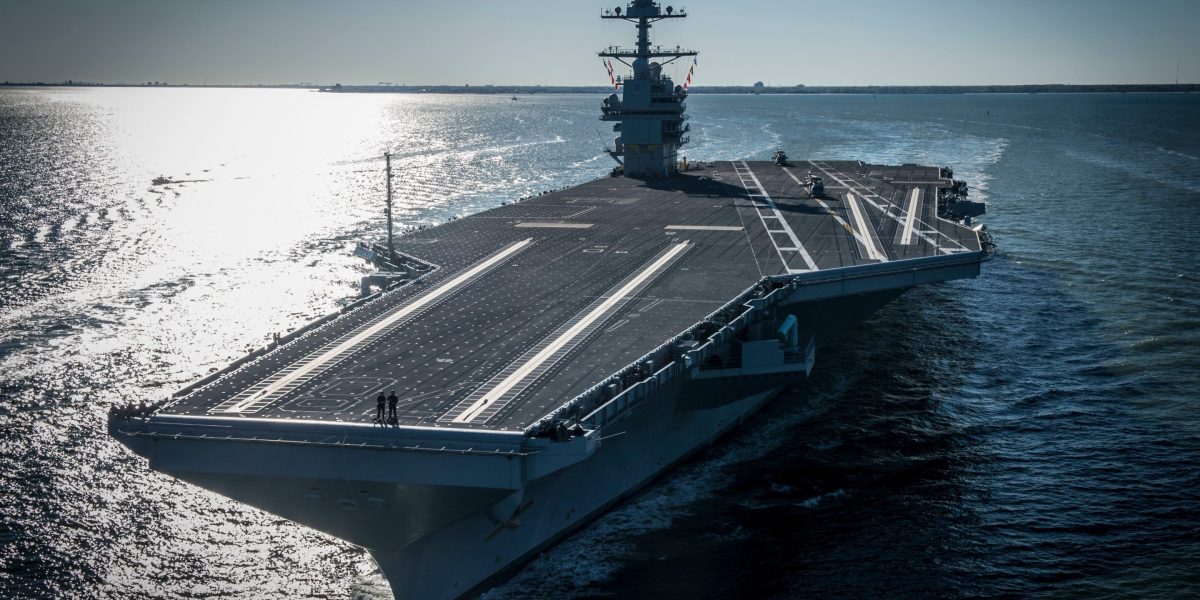
Trump says regime change in Iran that ousts Islamic clerics 'would be the best thing that could happen' as another carrier heads to Mideast | Fortune
 PBS NewsHour
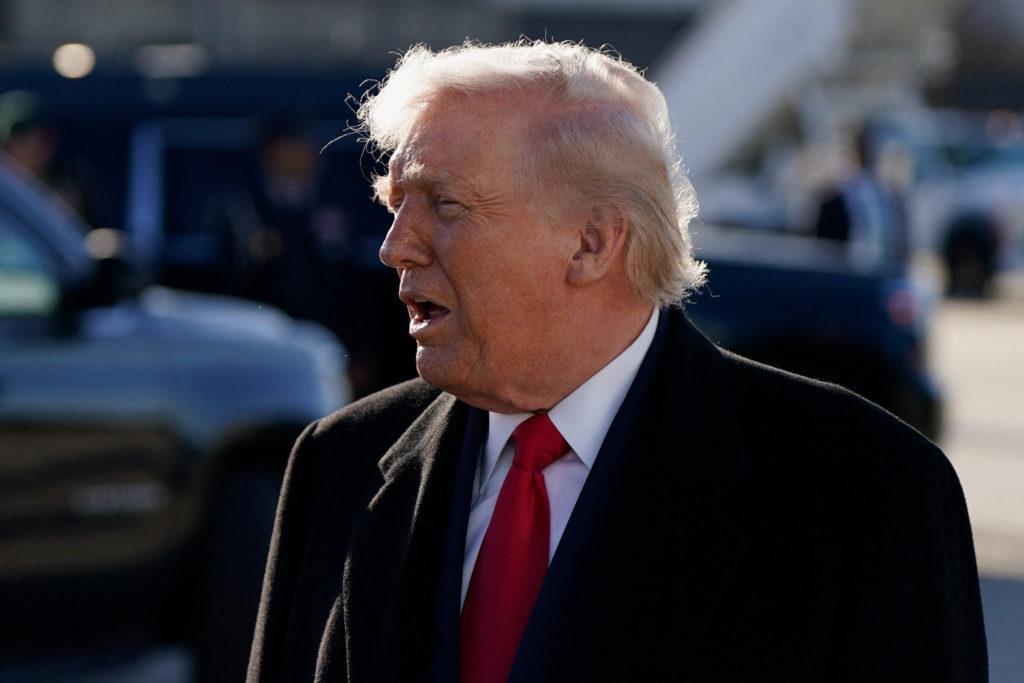
Trump says change in power in Iran would be 'best' after sending 2nd aircraft carrier to region
 The Daily Wire
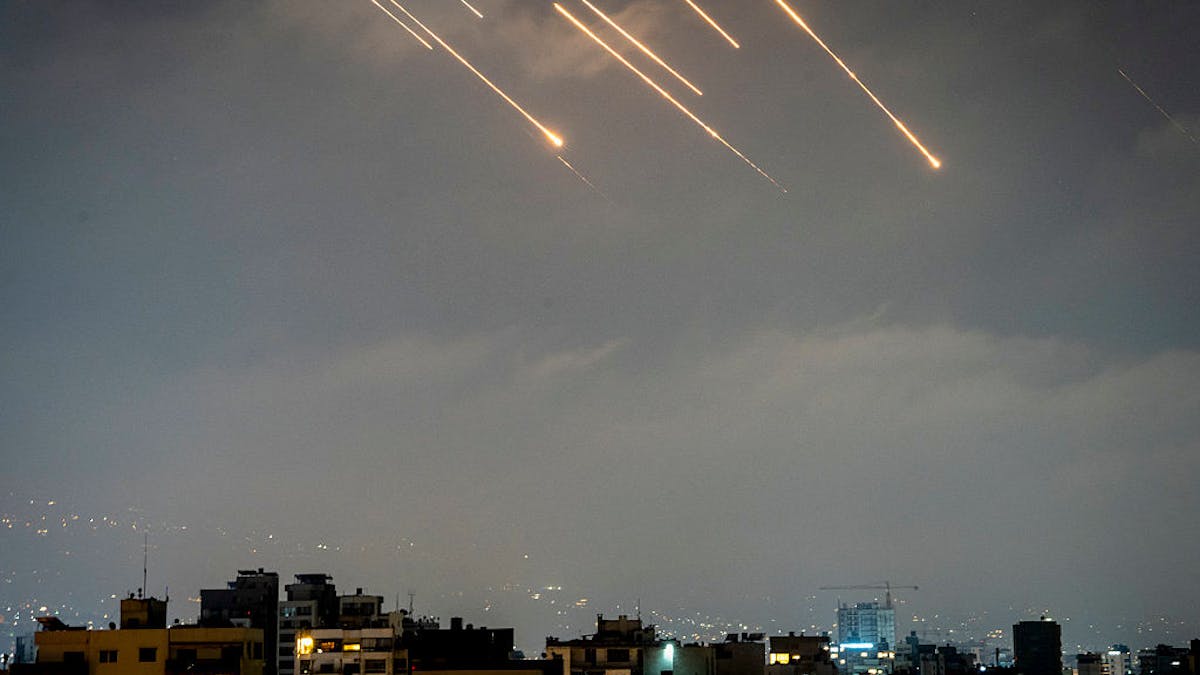
Trump Calls For Iranian Regime Change As Tehran Revamps Missile Arsenal
Overview
President Donald Trump said regime change in Iran "would be the best thing that could happen" as the USS Gerald R. Ford is being sent to the Middle East, he told reporters.
Analysts say Iran's strategic position shifted after a recent 12-day conflict, and JINSA officials say Tehran redirected resources to ballistic missiles, starting the fight with 2,500 medium-range missiles and now back to roughly 2,000.
Iranian Foreign Ministry spokesman Esmaeil Baghaei rejected war and blamed U.S. actions, while JINSA officials said the U.S. expended roughly 150 THAAD interceptors, about 25% of the American stockpile, during the fighting.
The Ford strike group will bring more than 5,000 additional troops and will join the USS Abraham Lincoln, which has been in the region for over two weeks, doubling available aircraft and munitions.
Trump said the Ford "will be leaving very soon" and warned failure to reach a deal could prompt military action, while JINSA said replenishing THAAD interceptors could take 18 months and Pete Hegseth pressed manufacturers.
Analysis
Center-leaning sources frame the story as cautionary and risk-focused: they foreground Trump’s "regime change" remark alongside Gulf warnings, Iran’s domestic "bloody crackdown", and carrier logistics. Editorial choices—loaded descriptors ("bloody", "sanctions-battered"), selective emphasis on regional blowback and crew impacts—steer readers toward escalation concerns; quotes remain source content.
FAQ
Trump stated that regime change in Iran 'would be the best thing that could happen' and warned that failure to reach a deal could prompt military action.
The USS Gerald R. Ford is being sent to join the USS Abraham Lincoln amid escalating US-Iran tensions, bringing over 5,000 additional troops and doubling available aircraft and munitions.
Analysts say Iran started the 12-day conflict with 2,500 medium-range missiles and has rebuilt to roughly 2,000, after redirecting resources to ballistic missiles.
The US expended roughly 150 THAAD interceptors, about 25% of the American stockpile, during the fighting.
The Navy's top admiral expressed concerns about crew welfare and ship condition after prolonged deployment since June 2025, with sailors expecting to return home in early March.
