EPA Ends Start-Stop Credits in Auto Rule
EPA removes credits for automatic start-stop systems at a White House event, part of a broader rollback of tailpipe emissions and greenhouse gas rules announced with President Trump.

 USA TODAY
Trump emission rules cut 'universally hated' start-stop feature in cars
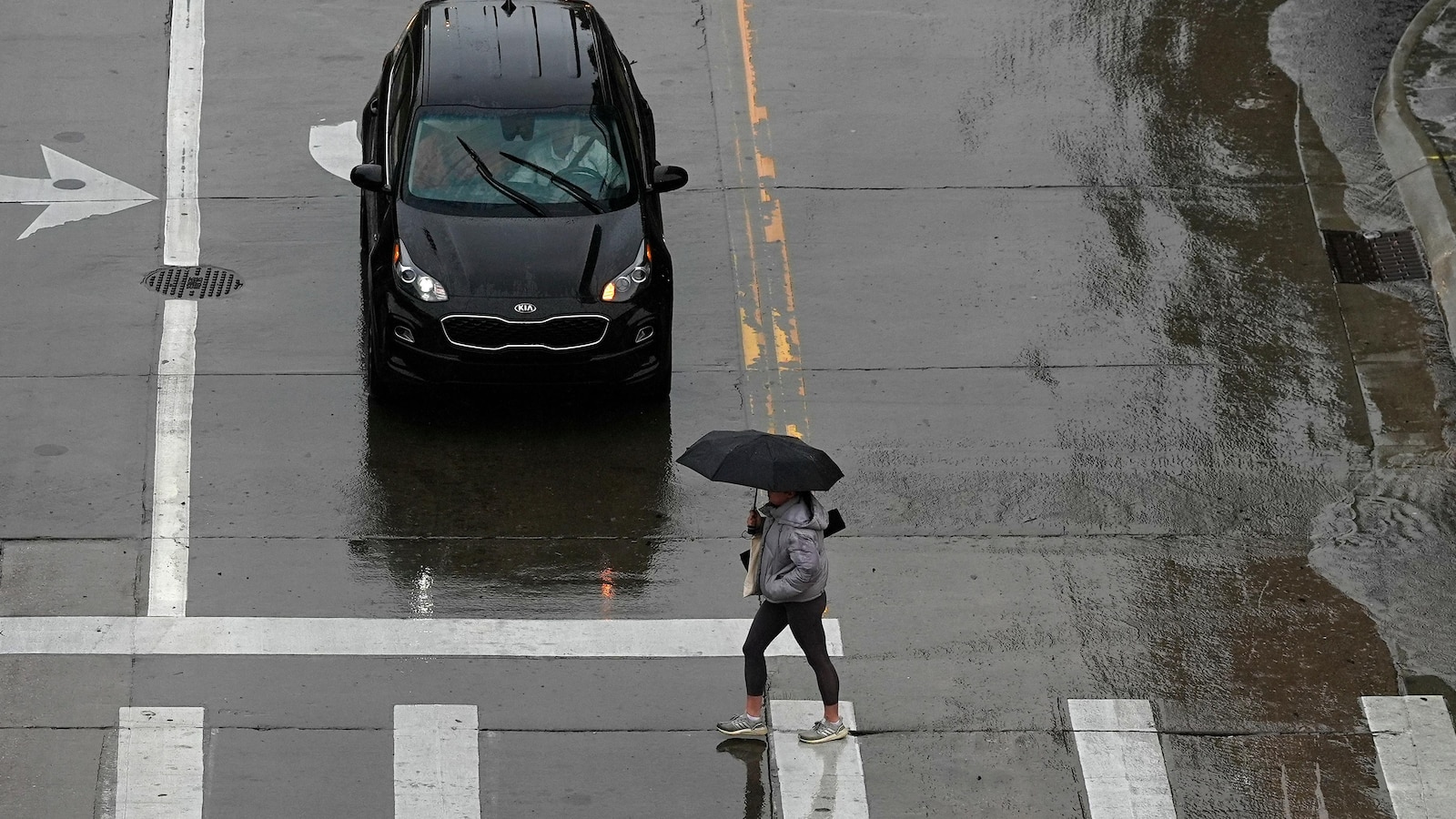
 ABC News
EPA ends credits for automatic start-stop vehicle ignition, a feature Zeldin says 'everyone hates'
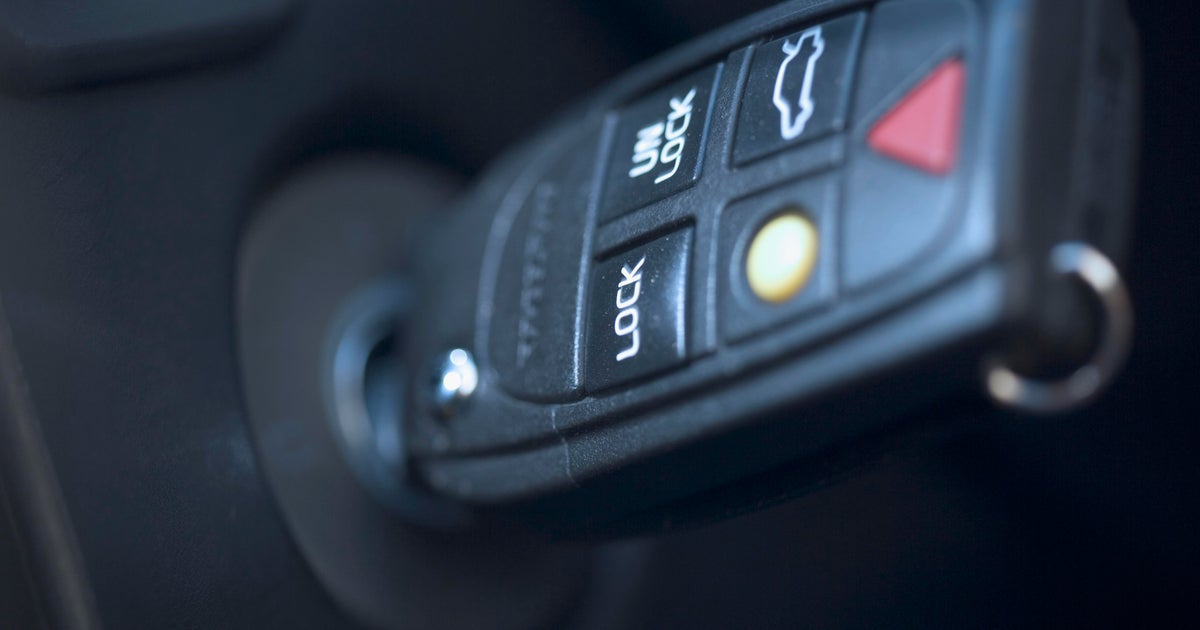
 CBS News
Trump administration moves to end "universally hated" start/stop feature for cars
 Associated Press
EPA ends credits for automatic start-stop vehicle ignition, a feature Zeldin says 'everyone hates'
Overview
The Environmental Protection Agency announced Thursday it will end credits to automakers for installing automatic start-stop ignition systems, EPA Administrator Lee Zeldin said.
The move was announced at a White House event with President Donald Trump and accompanies a broader rollback that repeals the endangerment finding underpinning greenhouse gas regulation, administration officials said.
Jeep-maker Stellantis and Ford praised the decision, while John Bozzella, president of an auto industry alliance, said prior emissions regulations are extremely challenging to achieve given current marketplace demand for EVs.
About two-thirds of vehicles now have start-stop systems, which the Society of Automotive Engineers says can provide roughly 7% to 26% fuel-economy savings, and 2023 averages cited range from 23 to 30 mpg.
The rules do not ban start-stop systems but remove the fuel-economy credits that spurred their adoption, and the administration said it is also weakening average fuel economy rules and ended federal EV tax credits.
Analysis
Center-leaning sources show mild framing: they foreground deregulatory arguments and consumer inconvenience while including countervailing data. Editorial choices—use of skeptical phrasing like "so-called", prominence of quoted EPA and political remarks, and selection of automaker praise versus consumer-group rebuttals—shape a narrative favoring consumer choice over emissions regulation.
FAQ
The start-stop system automatically shuts off the gas engine when a vehicle is idle, such as at red lights or in traffic, to save fuel, and restarts it when the driver is ready to move.
The EPA eliminated off-cycle credits that rewarded automakers for installing start-stop systems to meet greenhouse gas standards on paper, but did not ban the technology itself.
EPA Administrator Lee Zeldin called it 'almost universally hated' and a 'climate participation trophy' because it annoys drivers by shutting off engines at stops, despite fuel savings, and was seen as driving up car prices without real consumer benefit.
The EPA repealed the 2009 Greenhouse Gas Endangerment Finding, eliminated all federal GHG emission standards for vehicles from model year 2012 onward, ended off-cycle credits, weakened fuel economy rules, and ended federal EV tax credits.
Stellantis, Ford, and the Alliance for Automotive Innovation praised the move for reducing regulatory burdens and restoring consumer choice, while Hyundai noted it removes incentives but does not prohibit start-stop use.


