Judge Orders DHS To Restore Lawyer Access For Minnesota Detainees
Judge Nancy Brasel ordered DHS to ensure private attorney access, private calls and a 72-hour ban on out-of-state transfers after evidence from Operation Metro Surge showed blocked counsel.
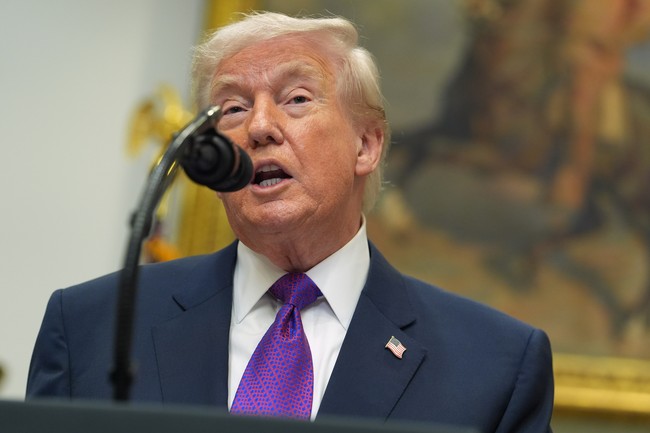
 Townhall
Trump-Appointed Judge Blasts DHS' Handling of Illegal Immigrant Detainees

 Daily Beast
Trump Judge Torches DHS in Scathing ICE Ruling
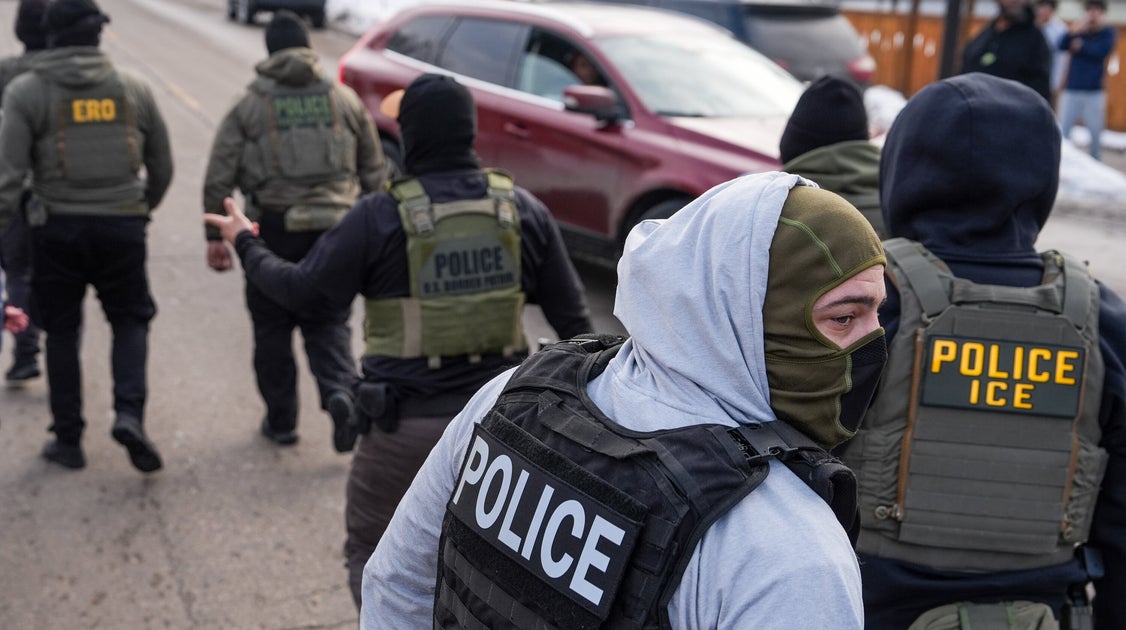
 HuffPost
ICE Blocked Detainees' Access To Lawyers In Minnesota, Trump-Appointed Judge Finds
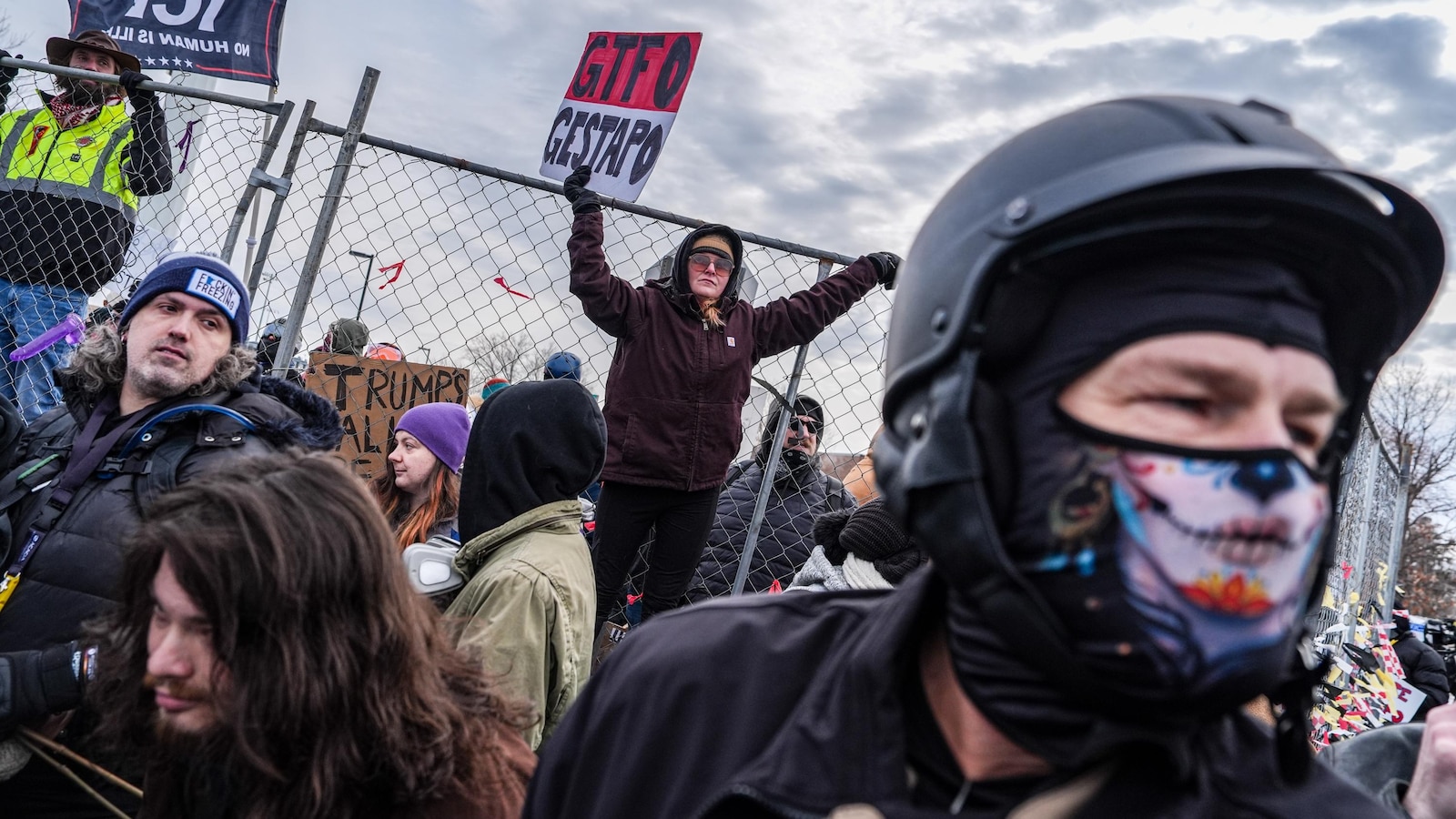
 ABC News
A judge orders DHS to give Minnesota detainees swift access to lawyers before transfers
Overview
On Feb 12 U.S. District Judge Nancy Brasel issued an emergency restraining order requiring DHS to let detainees at the Bishop Henry Whipple Federal Building contact lawyers within one hour and before out-of-state transfers.
The order found that Operation Metro Surge and rapid transfers by ICE "all but extinguish" detainees' access to counsel after a class-action lawsuit filed on January 27 challenged conditions.
Democracy Forward and The Advocates for Human Rights said detainees were denied counsel and called access to lawyers fundamental, while DHS attorneys told the court detainees had unmonitored phone access according to filings.
Brasel noted DHS deployed roughly 3,000 agents for the operation and ordered relief that will remain in place for 14 days unless extended while proceedings continue.
The order requires private attorney visits seven days a week, free private phone access, accurate legal provider lists, and bars out-of-state transfers for the first 72 hours of detention.
Analysis
Center-leaning sources report this story with a neutral, fact-focused approach: they foreground the judge's order and reasoning, include DHS/Justice Department responses and concessions, and attribute strong language (e.g., "inhumane") to advocacy groups or the judge. Editorial voice is limited; evaluative statements appear as source content rather than reporter framing.
FAQ
Operation Metro Surge is an ICE and CBP operation starting in December 2025 targeting undocumented immigrants in Minnesota, initially the Twin Cities, involving thousands of agents and over 4,000 arrests, leading to rapid out-of-state detainee transfers.
The order requires DHS to allow detainees at the Bishop Henry Whipple Federal Building private attorney access within one hour, private phone calls seven days a week, accurate legal provider lists, and a 72-hour ban on out-of-state transfers; it lasts 14 days unless extended.
The order was issued after evidence from Operation Metro Surge showed blocked counsel access and rapid ICE transfers that 'all but extinguish' detainees' ability to contact lawyers, following a January 27 class-action lawsuit challenging detention conditions.
The operation is ending, with Tom Homan announcing on February 12 its conclusion, following a drawdown of agents from 3,000 to 2,000, though full withdrawal continues into the next week.
It caused over $80 million in business losses, $47 million in lost wages, mental health needs for thousands, school disruptions, and transfers of detainees to states like Nebraska; the city spent over $6 million responding.