Judge Orders Return Of Venezuelan Deportees To U.S.
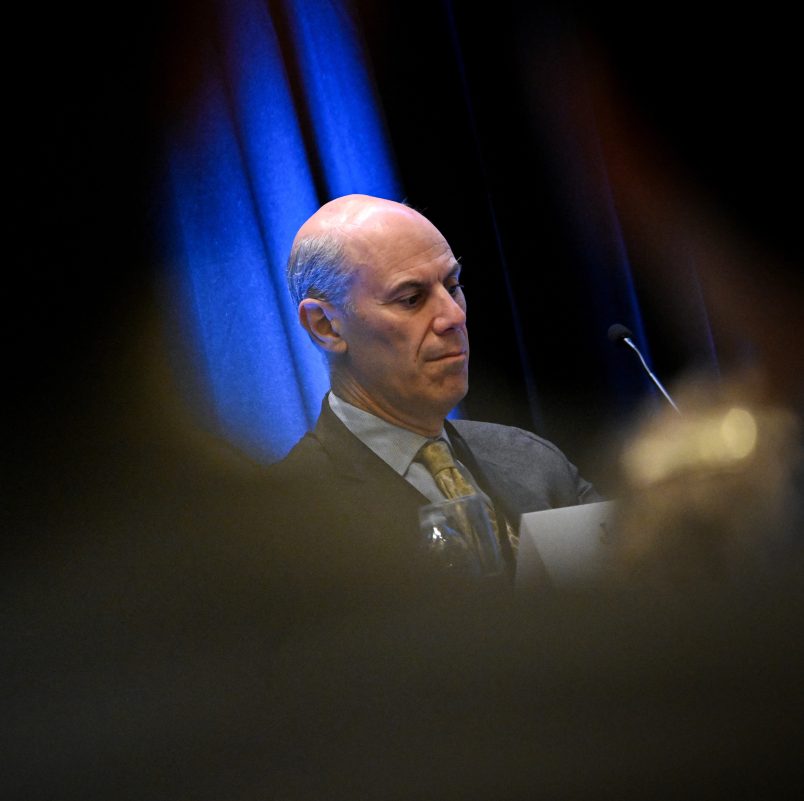
Judge James Boasberg ordered the Trump administration to facilitate the return of Venezuelan men deported under the Alien Enemies Act and to pay travel costs for those who wish to come back.




Overview
Judge James Boasberg ordered the Trump administration to facilitate the return of Venezuelan men deported under the Alien Enemies Act and to pay their travel costs, while noting they will be detained upon arrival.
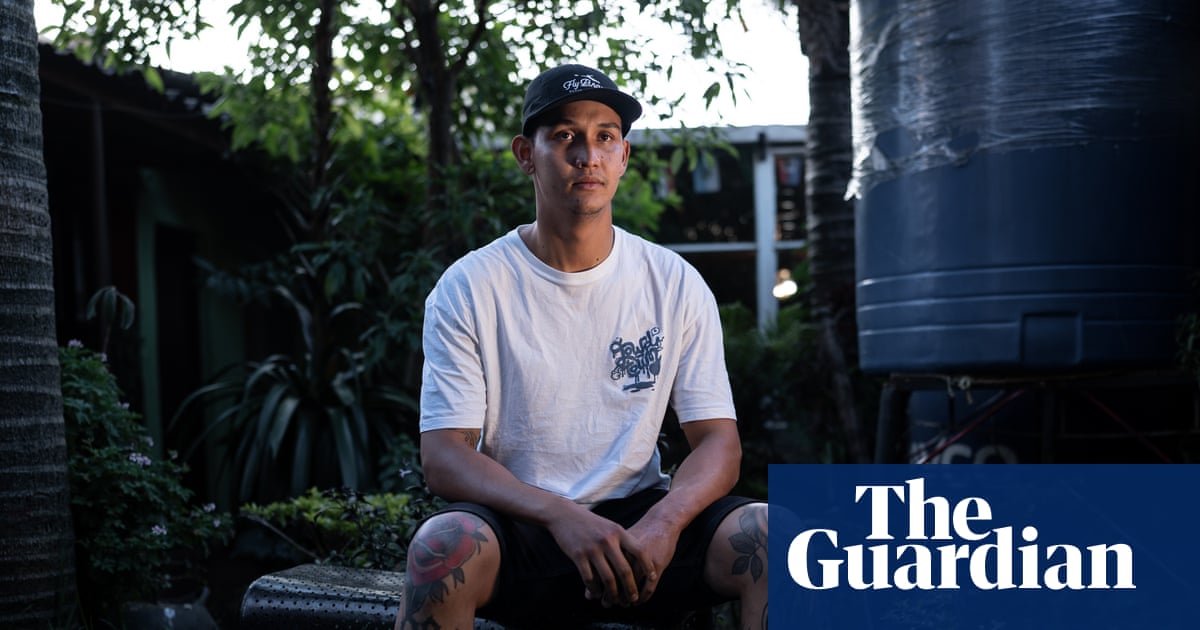
On the night of Saturday 15 March last year, more than 250 Venezuelan men were deported to El Salvador, of whom 137 were designated under the Alien Enemies Act.
White House spokesperson Abigail Jackson blasted the ruling as "an absurd, unlawful ruling," while ACLU attorney Lee Gelernt said he knew of only a small group of deportees living outside Venezuela.
Human rights investigators reported beatings, torture, denial of food and alleged sexual assault at the Cecot mega-prison, and many former detainees said they faced death threats before a US-brokered prisoner swap returned them last July.
Boasberg told the government to prioritize deportees in third countries and to explain the feasibility of returning plaintiffs still in Venezuela, while allowing those in Venezuela to begin filing legal challenges.
Analysis
Analysis unavailable for this viewpoint.
FAQ
The Alien Enemies Act is an 18th-century wartime law that President Trump invoked in March 2025 to summarily remove Venezuelan migrants accused of being members of the Tren de Aragua gang.[1][3] The administration used this law to bypass standard immigration procedures and deport over 250 Venezuelan men, with 137 designated under the Act, to El Salvador's CECOT prison without providing them adequate notice of deportation grounds or opportunity to challenge their removal in court.
Judge Boasberg determined that the deportees were denied due process rights, a violation of the Constitution.[1] The Supreme Court concluded that the men did not receive adequate notice of the grounds for deporting them nor sufficient opportunity to challenge their expulsion in court.[2] Boasberg criticized the "flagrancy" of these violations and stated that allowing the government to remove people without providing any process or opportunity to present their case would set a dangerous precedent.[3]
Human rights investigators reported severe conditions at the Terrorism Confinement Center (CECOT), including beatings, torture, denial of food, and alleged sexual assault.[1] Many former detainees said they faced death threats before a U.S.-brokered prisoner swap in July 2025 that returned some of them.[1]
Yes. Judge Boasberg ruled that individuals who are flown back or paroled into the country will be taken into government custody for the duration of their proceedings and could be subject to re-deportation.[1] However, they will have the opportunity to challenge their removal in court and contest their designation as members of the Tren de Aragua gang.[3]
Judge Boasberg stopped short of extending the return order to those currently in Venezuela due to sensitive "foreign affairs" concerns related to recent U.S. military operations in Venezuela.[1] However, he ordered the government to inform the court about the feasibility of returning those still in Venezuela who wish to return for their proceedings.[1] Deportees remaining in Venezuela can file legal challenges arguing that the presidential proclamation illegally invoked the Alien Enemies Act and contest their gang membership designation.[3]