Puerto Rico Law Recognizes Unborn Children As Human Beings
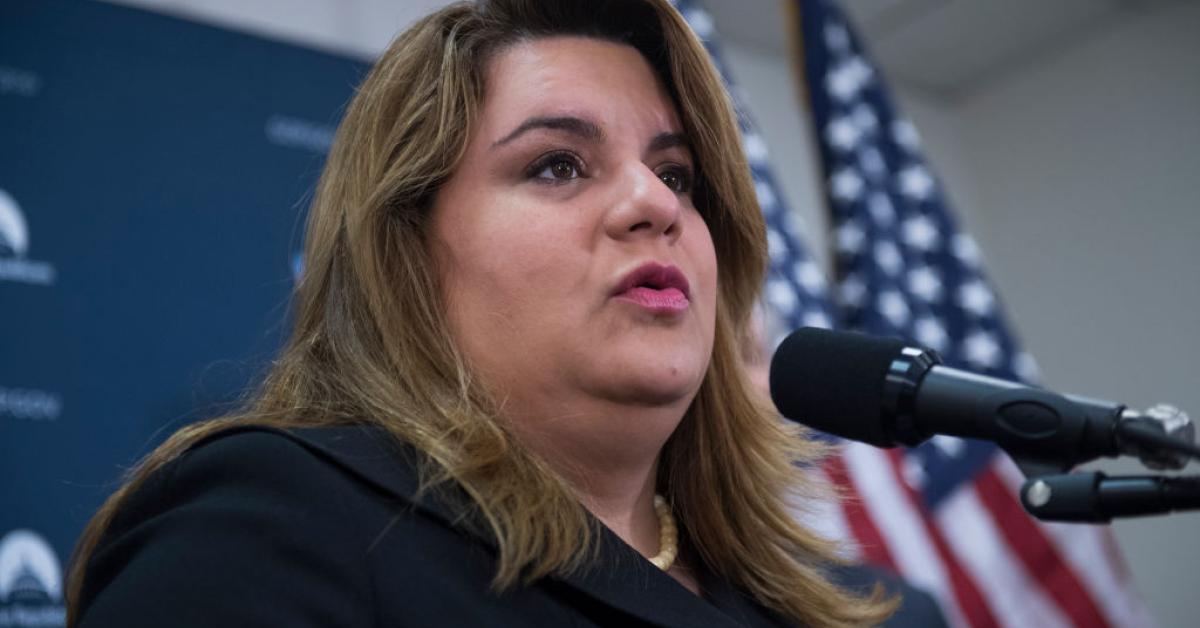
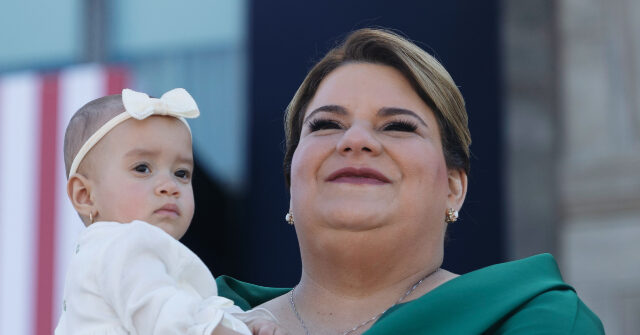
Gov. Jenniffer González signed Senate Bill 923 amending the Penal Code to define a 'human being' to include an unborn child at any stage of gestation.




Overview
Gov. Jenniffer González signed Senate Bill 923, amending Puerto Rico's Penal Code to define a "human being" as including an unborn child at any stage of gestation.
The amendment was adopted without public hearings, drawing criticism from medical professionals and legal experts who warned it could have sweeping effects on health care and civil rights.
Dr. Carlos Díaz Vélez, president of Puerto Rico's College of Medical Surgeons, warned the change will push complex clinical decisions into the realm of criminal law and produce "defensive health care."
Supporters said the change aims to align civil and criminal codes and complements a law that treats the intentional killing of a pregnant woman and her conceived child as first‑degree murder.
Opponents warned the amendment could open the door to criminalizing abortions, questioned whether a zygote would have legal rights, and said new protocols and privacy safeguards will be needed.
Analysis
Center-leaning sources frame this story by prioritizing critical perspectives—leading with medical and legal warnings, highlighting that the amendment was passed 'without public hearings,' and detailing hypothetical harms. The governor’s brief statement is given minimal space, while supporters’ rationale and broader legislative context are underrepresented, creating a cautionary emphasis.
FAQ
The search results indicate that Senate Bill 923 amends Puerto Rico's Penal Code to recognize the killing of an unborn child as murder, which would align with first-degree murder charges for the intentional killing of a pregnant woman resulting in the death of the conceived child at any stage of gestation[1][2]. However, the specific criminal penalties or sentencing guidelines associated with this classification are not detailed in the available search results.
Abortion remains legal in Puerto Rico under current law[2]. However, critics have argued that Senate Bill 923 opens the door to eventually criminalizing abortion, though supporters maintain the law is unrelated to abortion and focuses instead on consistency between civil and criminal codes and protecting pregnant women[2]. The law does affirm that it does not diminish the pregnant woman's power to make decisions about her pregnancy in accordance with the law[1].
Dr. Carlos Díaz Vélez, president of Puerto Rico's College of Medical Surgeons, warned that the law will lead to "defensive health care" where doctors may refuse to treat complicated pregnancies for fear of criminal prosecution on murder charges[2]. He stated the law brings "complex clinical decisions into the realm of criminal law" and would produce "disastrous consequences[2]." Additionally, medical professionals noted that the law was adopted without public hearings or input from medical experts, and it may allow third parties to intervene between doctors and pregnant women, violating privacy laws.
The law was named after Keishla Madlane Rodríguez Ortiz, a pregnant woman who, along with her unborn child, was murdered in April 2021 by her partner, former Puerto Rican boxer Félix Verdejo-Sánchez[1]. Verdejo was convicted in the killing and received two life sentences[2]. The legislation was introduced as a response to this case to ensure that killings of pregnant women and their unborn children would receive more severe criminal penalties.
According to Senate Bill 504, which complements Senate Bill 923, unborn children are recognized as natural persons with legal personality from conception[1]. The law provides potential benefits including protections from health insurance companies, claims in personal injury lawsuits, donations, property rights, and labor rights that parents could claim on behalf of the unborn child[1]. However, these rights are conditional on birth, as inheritance rights are subject to the event of birth[1].