Virginia Court Clears April Ballot For Contested Redistricting Plan
Court allowed April 21 referendum on a mid-decade map that could shift Virginia's 11-seat delegation to as many as 10 Democrats while legal challenges continue.
 Washington Examiner
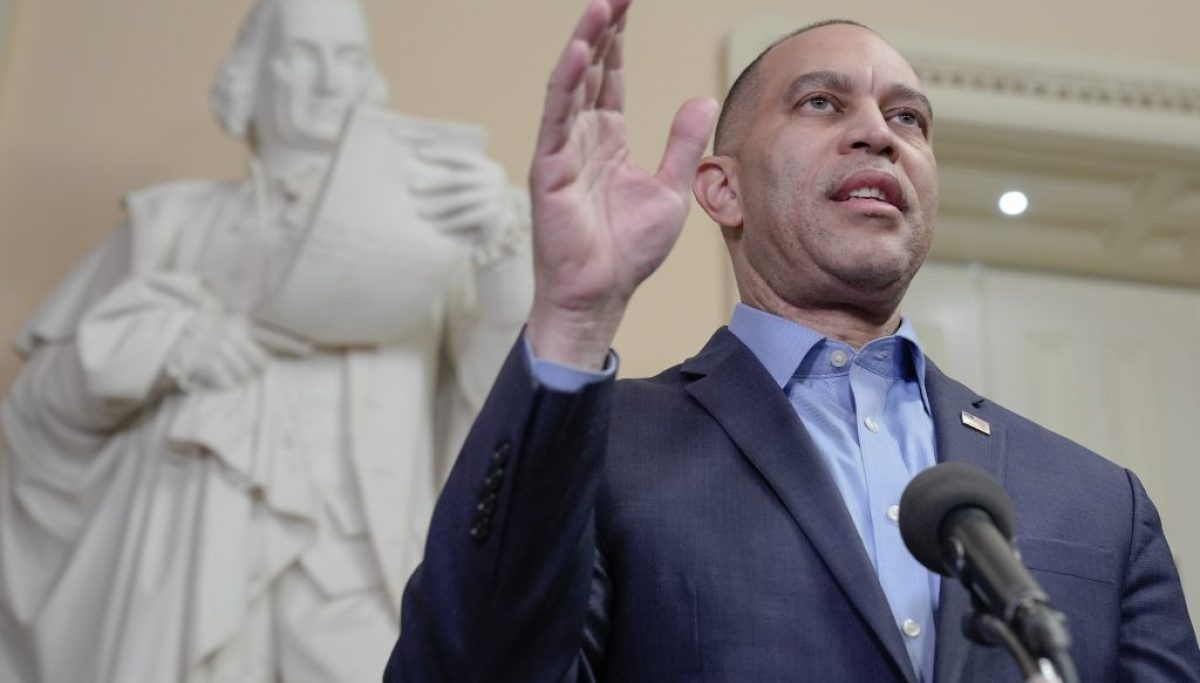
Dems will do 'whatever it takes' for Virginia redistricting: Jeffries

 FOX News
Democrats say Trump redistricting push backfiring as Virginia advances new House maps

 CNN
CNNJeffries goes all in on gerrymandering — with House control on the line | CNN Politics
 Daily Signal
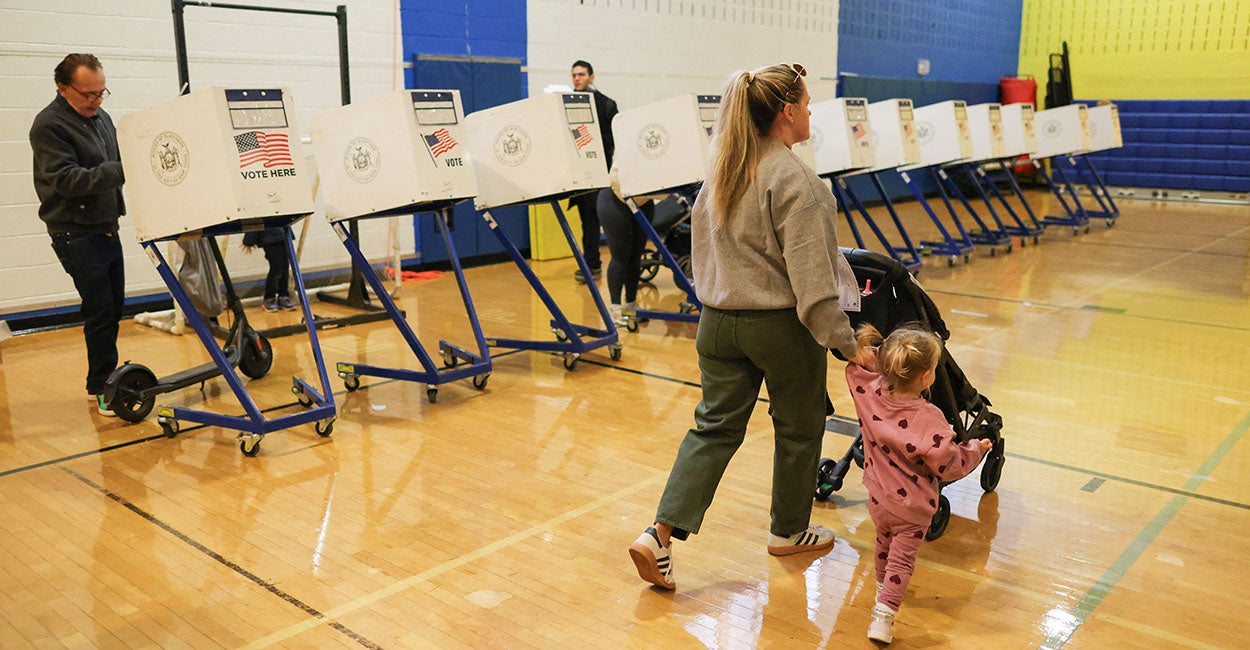
Court Rules in Critical Virginia Redistricting Fight
Overview
The Supreme Court of Virginia allowed a special referendum on redistricting to proceed on April 21 while a legal challenge to the process continues, the court said.
If approved, the proposed mid-decade map could give Democrats up to four additional U.S. House seats, potentially shifting Virginia's delegation from six Democrats to as many as 10 of 11 seats, supporters said.
House Minority Leader Hakeem Jeffries said Democrats will do "whatever it takes" and will spend tens of millions of dollars to support the Virginia ballot initiative, he said.
A lower court had found Democratic lawmakers erred procedurally in approving the amendment, and the state Supreme Court said it may schedule oral arguments and set a briefing schedule as the case proceeds.
Voters will decide in the April 21 special election whether to approve a constitutional amendment that would allow the redrawn map to take effect in upcoming elections, officials and campaign groups said.
Analysis
Center-leaning sources frame this as a procedural legal battle with partisan stakes, emphasizing electoral consequences and national precedent. They foreground vote counts and potential seat swings, juxtapose proponents’ fairness claims with opponents’ “election-rigging” rhetoric, and use cross-state comparisons (California, Texas) to cast the move as reciprocal mid-decade strategy.
FAQ
The referendum on the new congressional maps is scheduled for April 21, 2026.
If approved, the proposed maps could shift Virginia's 11-seat delegation to a 10-1 Democratic advantage.
A lower court found Democratic lawmakers erred procedurally in approving the amendment, and Republican leaders challenged the mid-decade redraw deviating from the independent commission process.
Virginia's congressional districts are normally drawn by a 16-member independent commission, with plans approved or rejected by the legislature without amendments; if it fails, the Supreme Court draws them.
Early voting begins March 6, 2026; voter registration deadline is April 14, 2026; absentee ballot applications due by April 10, 2026.