FCC Chair Defends Equal-Time Enforcement After Colbert-Talarico Dispute
Brendan Carr said the FCC did not block Colbert; the network cited legal guidance under the FCC equal-time rule; Colbert posted the interview on YouTube and Talarico’s campaign raised $2.5 million in 24 hours.
 Business Insider
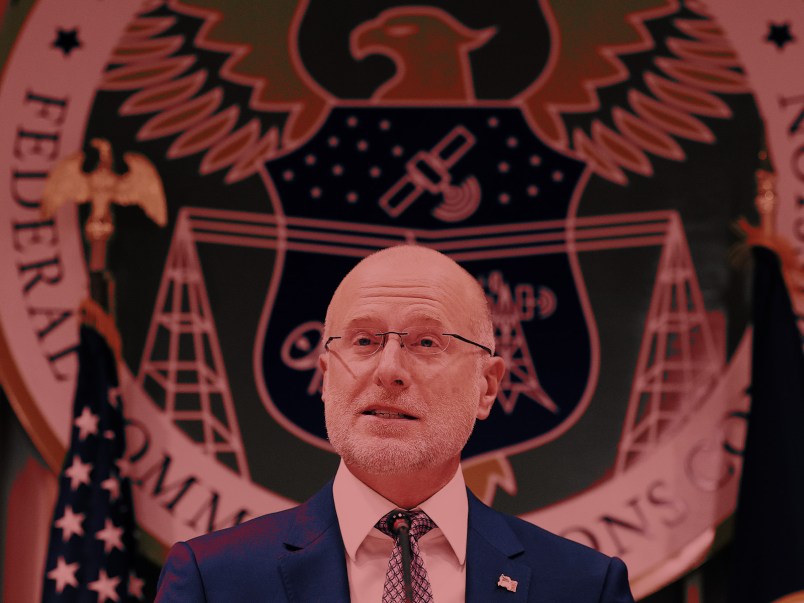
FCC Chair Brendan Carr responds to Stephen Colbert, calling incident 'Democrat on Democrat violence'
 TPM
TPMCarr Tries To Wash His Hands Of the Colbert Matter

 Daily Beast
MAGA Goon Defends Crazed TV Control Effort to Silence Dems
 Slate
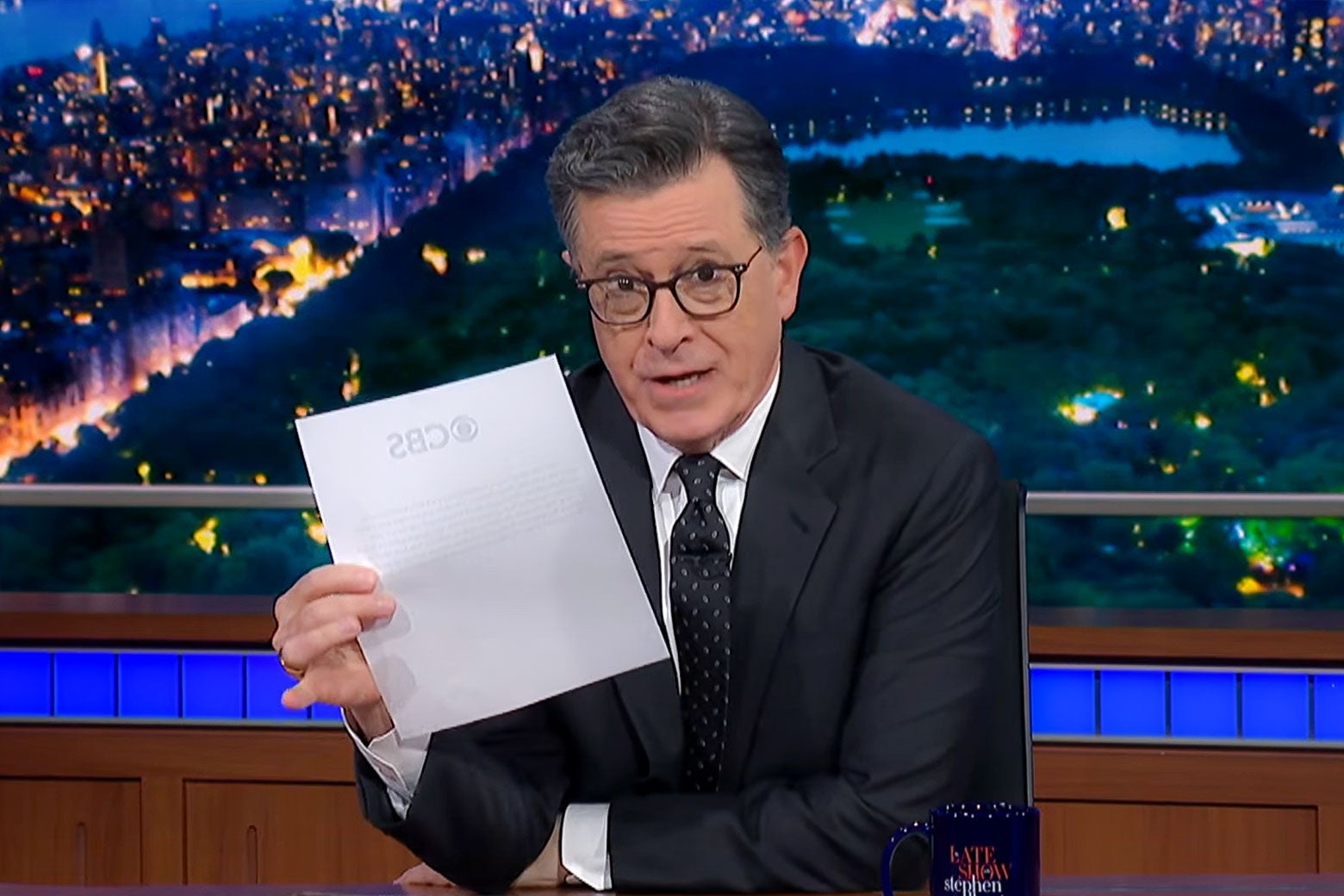
SlateStephen Colbert Just Gave Brendan Carr a Free Lesson in the Streisand Effect
Overview
FCC Chair Brendan Carr said reporters had been "lied to" over Stephen Colbert's claim that his network blocked an interview with James Talarico and said the FCC would enforce the equal-time rule.
The network said it did not prohibit the broadcast but provided legal guidance that airing Colbert's interview with Talarico could trigger the FCC equal-time rule, and The Late Show instead posted the interview to YouTube.
Carr confirmed the FCC opened an enforcement action into a daytime talk show that previously aired Talarico, and Commissioner Anna M. Gomez called the episode "another troubling example of corporate capitulation."
Colbert's posted interview had piled up nearly 6.1 million views by publication, and Talarico's campaign said it raised $2.5 million in 24 hours after the episode drew scrutiny.
In guidance issued in January, the FCC said daytime and late-night talk shows would not automatically qualify for equal-time exemptions, and Carr said broadcasters must seek exemptions or provide comparable air time.
Analysis
center-leaning sources frame the story as a partisan clash over FCC power and free expression, foregrounding Carr’s charged rhetoric ('fake news,' 'Democrat on Democrat violence') while amplifying critics’ free-speech warnings. Editorial choices — loaded verbs, selective quoting of enforcement threats, and prominent placement of Colbert’s viral YouTube response — portray regulatory overreach.