Farage Names Jenrick Shadow Chancellor as Reform Unveils Frontbench
Reform UK named Robert Jenrick chancellor pick; appointees pledged to repeal the Equality Act and shift education toward trades.



Overview
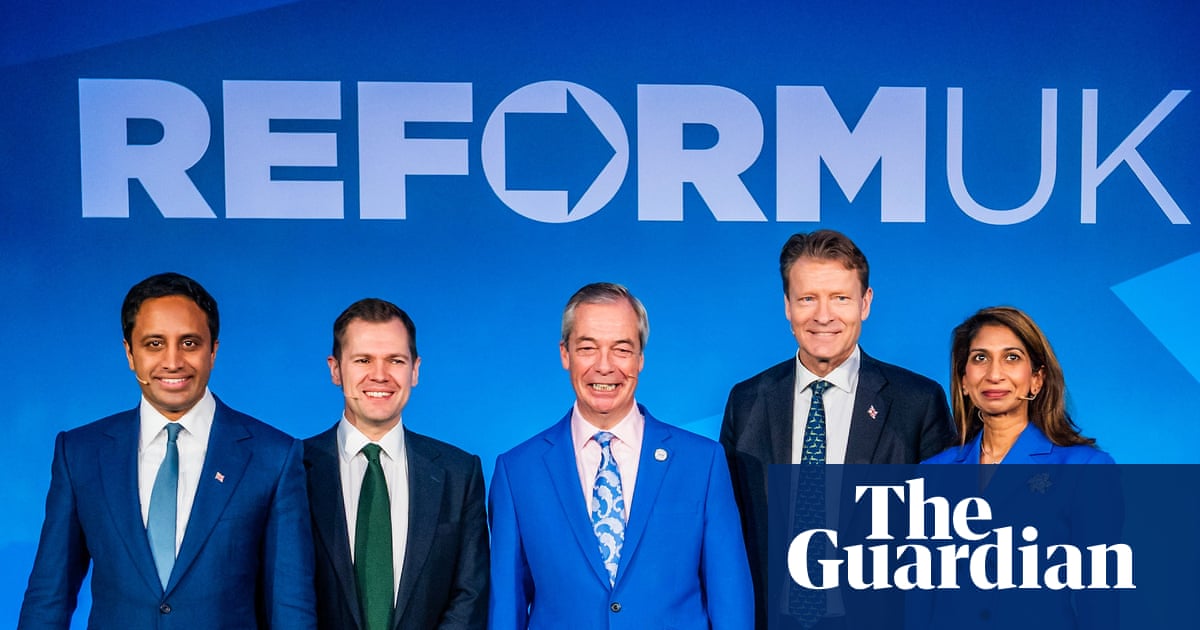
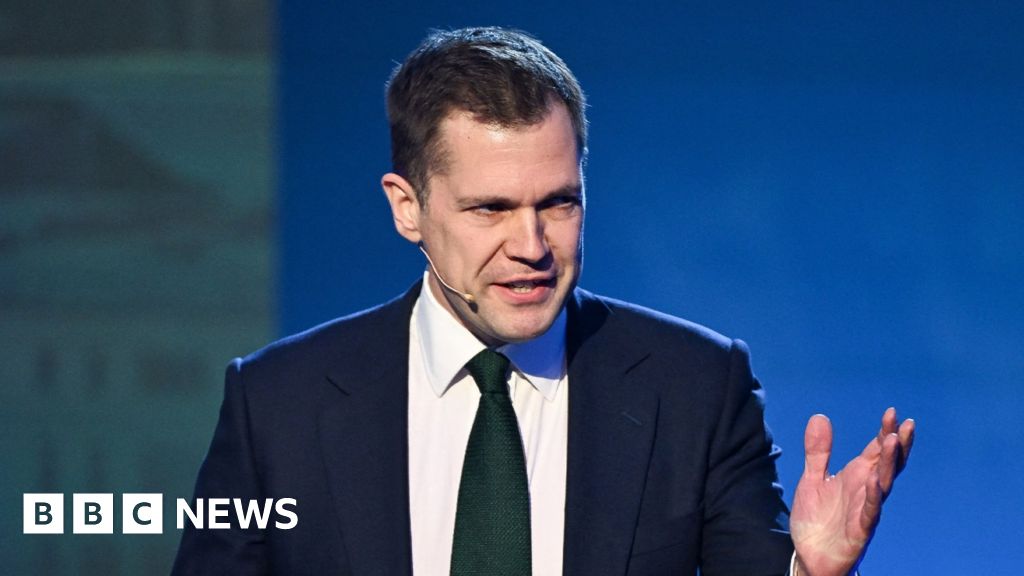
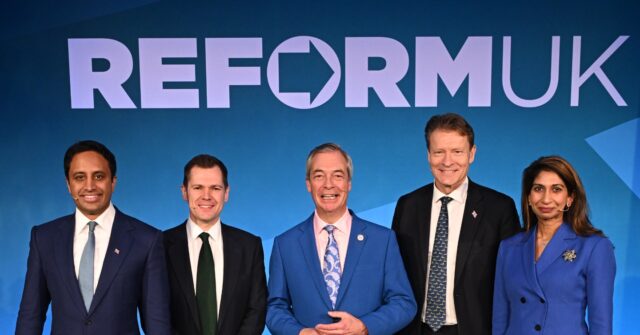
Nigel Farage unveiled Reform UK's initial frontbench, naming Robert Jenrick as the party's pick for chancellor and appointing Suella Braverman, Richard Tice and Zia Yusuf to senior briefs, Farage said.
Farage said the appointments demonstrate Reform is prepared to govern and end criticism that the party was a 'one-man band'.
Anna Turley said Farage's top team was made up of 'failed Tories', and Kevin Hollinrake said the frontbench looked dominated by ex-Conservatives, they said.
Braverman, Tice and Yusuf outlined major policy shifts including repeal of the Equality Act, a 50% trades target, abandoning net zero, tighter immigration controls and a retreat from a £90bn tax-cut pledge, they said.
Farage said more frontbench posts will be announced, set a deadline of May for further Conservative defectors and warned disloyal colleagues would be removed.
Analysis
Center-leaning sources present the story neutrally, balancing Reform's announcements and policy claims with critical pushback and contextual background. They attribute evaluative language to quoted actors (Farage, Braverman, critics), note policy reversals and defections, and avoid editorialized adjectives — emphasizing sourced statements over reporter judgment.
FAQ
Robert Jenrick is a former Conservative politician who served as Minister of State for Immigration at the Home Office, Secretary of State for Housing, Communities and Local Government, and Exchequer Secretary to the Treasury[2]. He qualified as a solicitor and worked in corporate law before holding senior financial roles at Christie's, the art business[2]. He was elected Conservative MP for Newark in 2014 and defected to Reform UK last month, stating that both the Conservative and Labour governments had broken Britain[1].
Reform UK currently leads the governing Labour Party in opinion polls, with leader Nigel Farage positioning the party to challenge Prime Minister Keir Starmer, whose government is struggling with growth and jobs[1]. The party currently has only 8 lawmakers in the 650-seat House of Commons but is expected to perform well in local-level elections in May[1]. The next national election is due in 2029[1]. However, Farage has acknowledged the need to build more governing experience before the next general election[1].
Reform figures have expressed admiration for Elon Musk's DOGE cuts to U.S. federal spending and advocate for cutting waste from local and central government budgets[1]. However, Farage has tempered previous tax-cut pledges, stating he must be realistic given Britain's dire public finances[1]. According to the article summary, Reform plans include repealing the Equality Act, abandoning net zero commitments, tighter immigration controls, and a 50% trades education target[1].
Investors are eager for details of Reform's policies given the party's leading position in the polls and the mixed messaging from Reform figures on government spending priorities[1]. Since Reform could potentially be in a position to govern after the 2029 election, clarification of their economic plans is important for financial markets and business planning[1].
Nigel Farage named Richard Tice, the former Reform party leader, as deputy prime minister with responsibility for business, trade and energy[1]. According to the article summary, Suella Braverman and Zia Yusuf have also been appointed to senior positions and outlined major policy shifts[1]. Farage indicated that more frontbench posts will be announced and set a deadline of May for further Conservative defectors to join the party[1].