Fed Minutes Show Officials Want Lower Inflation Before More Cuts
Minutes from the Fed's Jan. 27-28 meeting show officials paused after three cuts and want inflation to fall further before supporting more rate cuts, with some open to hikes if inflation remains high.



Overview
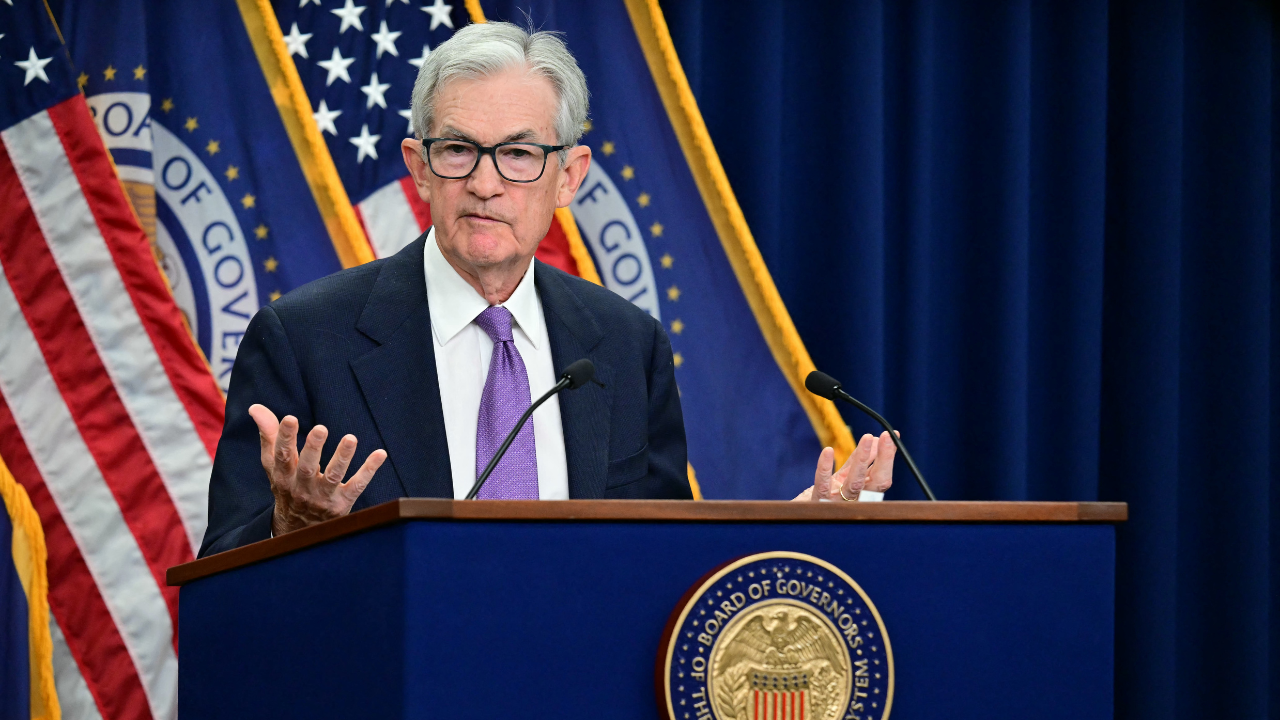
Minutes of the Fed's Jan. 27-28 meeting showed many officials want inflation to fall further before supporting additional interest-rate cuts, the minutes said.
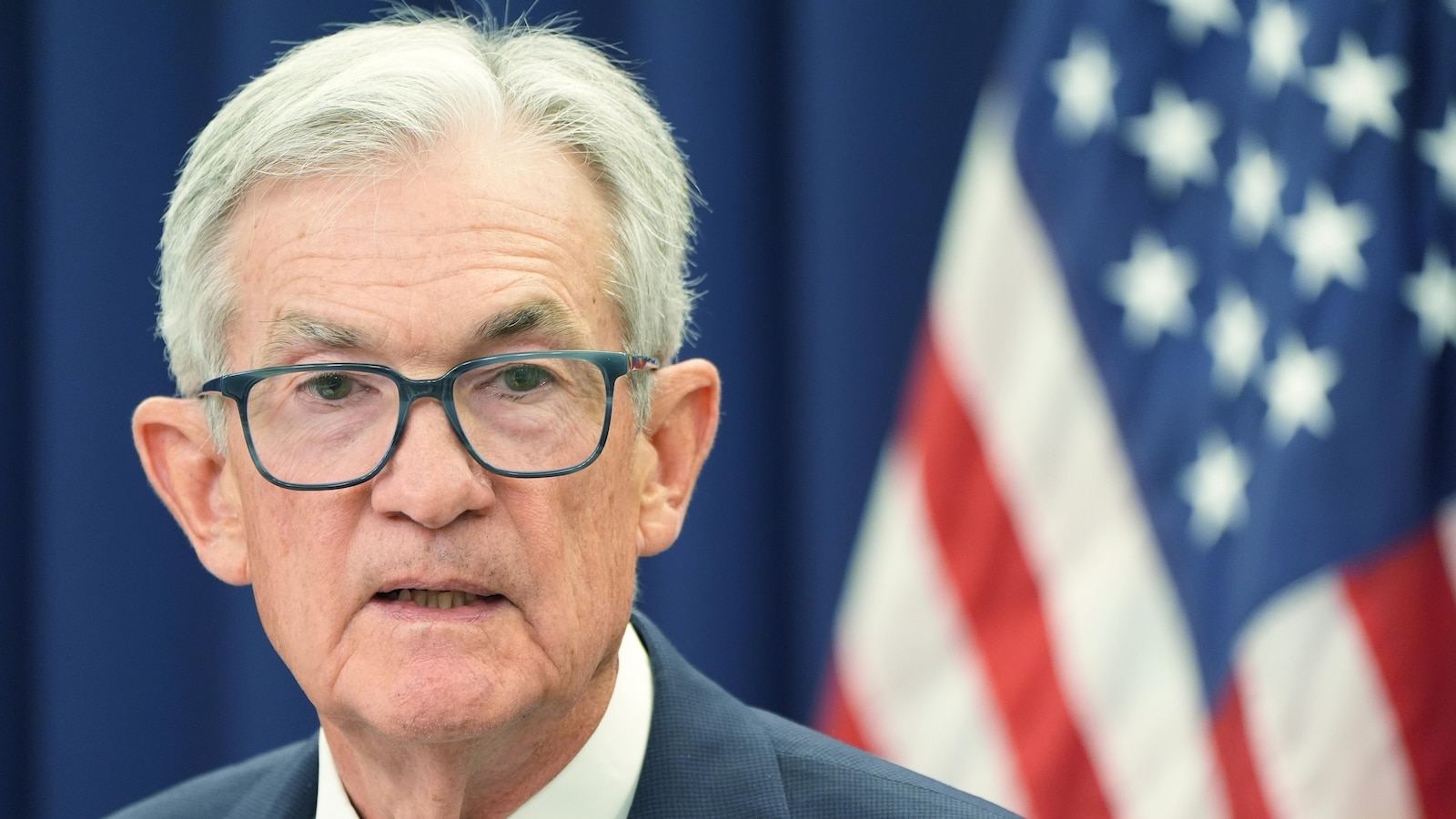
Officials left the Fed's key rate steady at about 3.6% after cutting three times late last year, and Chair Jerome Powell said the Fed could wait a few months before cutting again.
The committee was split, with governors Stephen Miran and Christopher Waller voting to cut another quarter-point, and several participants saying they could have supported language signaling possible rate hikes.
The 19-person committee's 'vast majority' said the job market was stabilizing after employers added 130,000 jobs and the unemployment rate fell to 4.3%, while consumer prices grew 2.4% in January.
Looking ahead, Austan Goolsbee said the Fed could reduce rates "several more" times if inflation moved closer to 2%, while several officials noted future policy could include cuts or upward adjustments depending on inflation.
Analysis
Center-leaning sources present this Fed reporting largely neutrally: they foreground minutes and data, attribute judgments to Fed officials, and include both hawkish and dovish voices. By citing unemployment, inflation measures, and competing Fed views (Powell, Miran, Waller, Barr, Goolsbee) the coverage favors factual sourcing over editorializing.
FAQ
The Federal Reserve's target inflation rate is 2 percent over the longer run[2]. In January 2026, inflation rose 2.4% year-over-year according to the Consumer Price Index, which is above the Fed's target but represents an improvement from December's 2.7% rate[5]. Core inflation, which excludes volatile food and energy costs, stood at 2.5% in January, marking the slowest pace since 2021[5].
Several Federal Reserve officials cautioned that easing policy further while inflation remains elevated above the 2% target could signal a weaker commitment to reducing price pressures[4]. Officials worried that "easing policy further in the context of elevated inflation readings could be misinterpreted as implying diminished policymaker commitment to the 2% inflation objective, perhaps making higher inflation more entrenched"[4]. Additionally, some analysts argue that current monetary conditions remain accommodative despite the benchmark rate, with household debt service ratios near historic lows and credit spreads exceptionally tight, suggesting ample capacity for continued spending[3].
Yes, rate hikes remain a possibility if inflation stays elevated. Several Fed officials commented that it would be appropriate to hold the policy rate steady for some time while assessing incoming data[6]. Some participants indicated that "additional policy easing may not be warranted until there was clear indication that the progress of disinflation was firmly back on track"[6]. Notably, two Fed governors dissented from the January decision, voting to cut rates, while others were open to potential hikes if inflation does not decline as expected[4].
The Federal Reserve's benchmark federal funds rate is currently in the range of 3.5% to 3.75% as of January 2026[2]. This follows three consecutive quarter-point rate cuts that occurred in the final months of 2025, bringing rates down from a higher level[4]. The Fed paused rate cuts at its January meeting and has not established a set path for interest rates for the remainder of 2026[5].
Federal Reserve officials indicated that further rate cuts would likely be appropriate if inflation declines in line with their expectations[6]. Austan Goolsbee stated that if inflation pressures prove transitory and show signs of steadily falling, he believes "there's several more rate cuts that can happen in 2026"[4]. However, the consensus among officials is to carefully assess incoming data before making additional adjustments, with many wanting clearer evidence that disinflation is firmly back on track[6].
