Health, Environmental Groups Sue EPA Over Endangerment Repeal
Coalition is challenging EPA's repeal of the 2009 endangerment finding that underpinned vehicle and other greenhouse-gas rules.
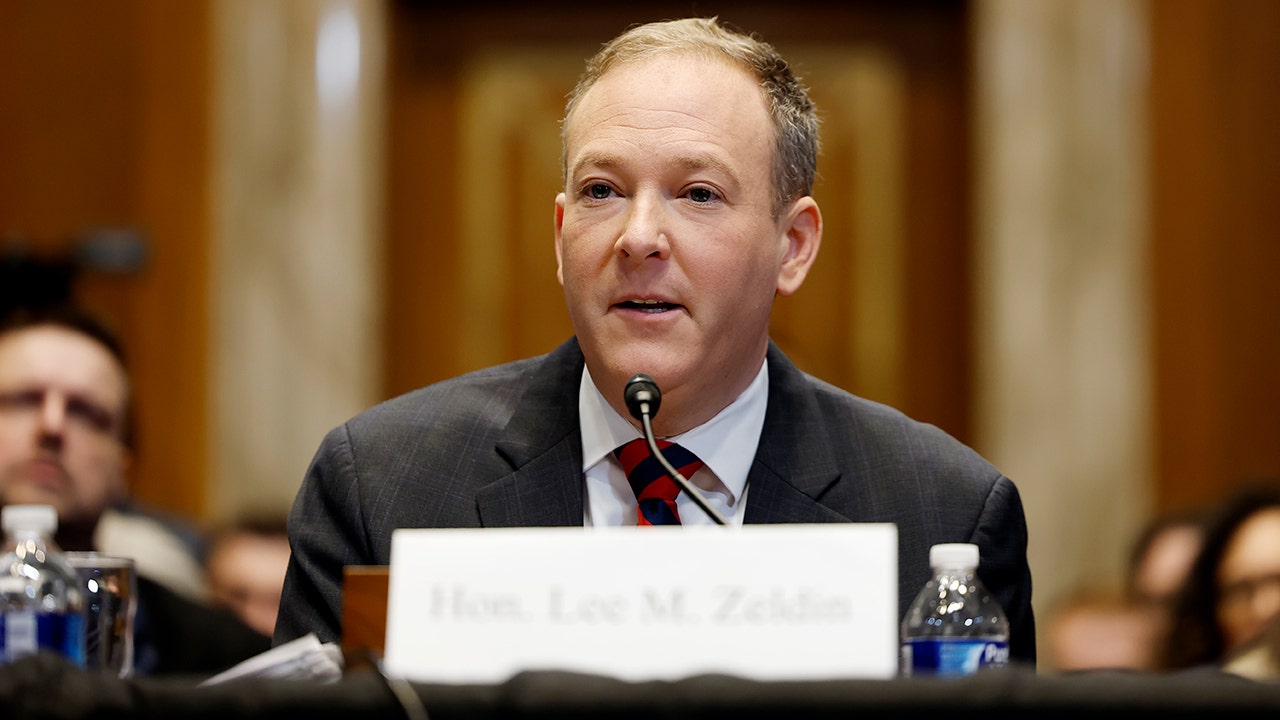
 FOX News
Climate groups sue Trump administration over EPA's bombshell deregulation decision

 Scientific American
EPA faces lawsuit over scrapping the ‘endangerment finding,’ a pillar of climate regulation
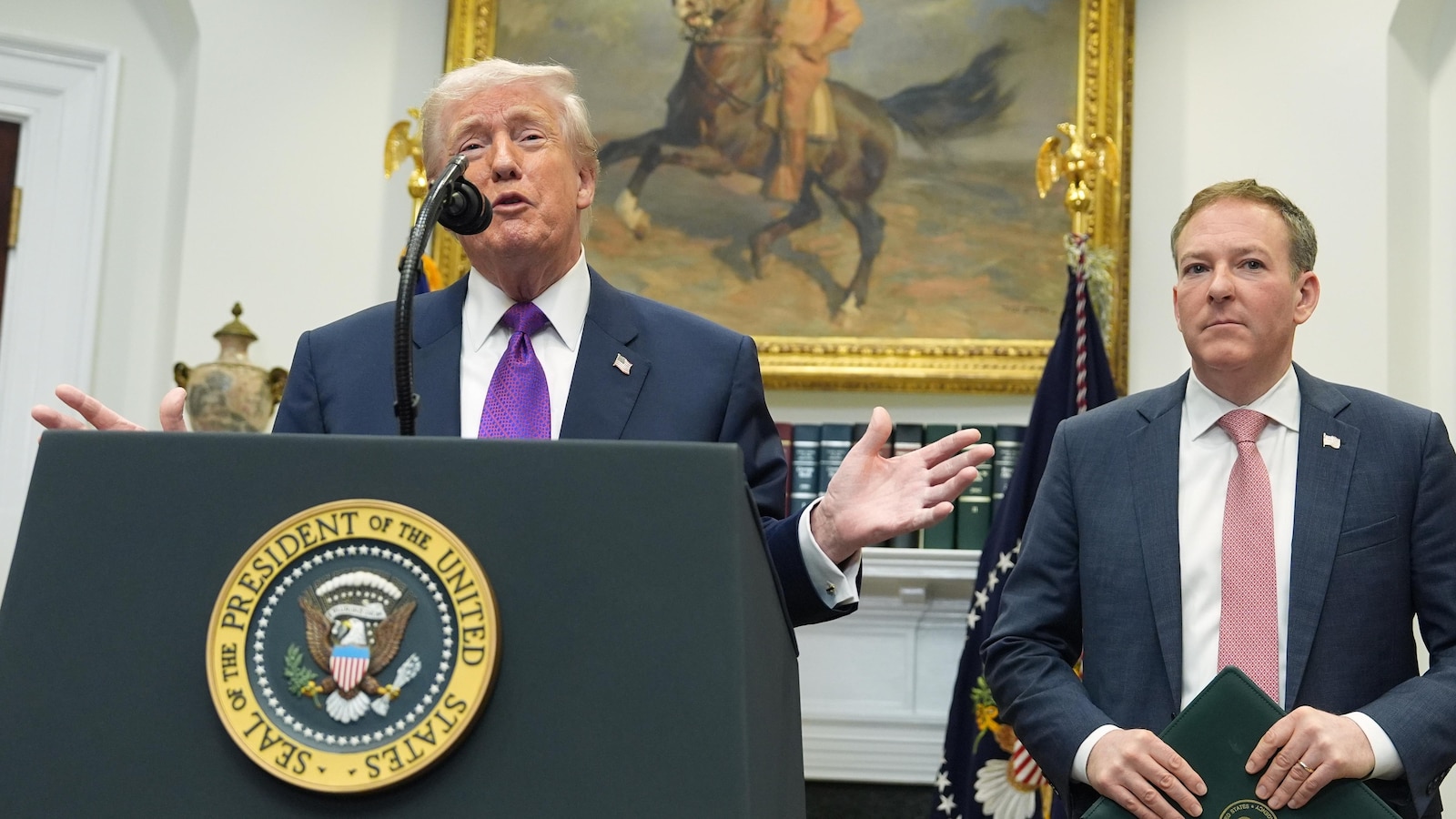
 ABC News
Public health, green groups sue EPA over repeal of landmark finding on climate change
 Associated Press
Public health, green groups sue EPA over repeal of rule supporting climate protections
Overview
On February 18, a coalition sued the EPA and Administrator Lee Zeldin in the U.S. Court of Appeals challenging last week's repeal of the 2009 endangerment finding.
The 2009 finding determined that carbon dioxide and other greenhouse gases threaten public health and welfare and served as the legal basis for nearly all Clean Air Act climate regulations, including vehicle standards.
Plaintiffs said the rescission is unlawful and undermines health protections, while President Donald Trump and Administrator Lee Zeldin hailed the repeal as the single largest deregulatory action and a rollback of regulatory overreach.
The suit names the EPA and Administrator Zeldin as defendants and was filed by a coalition that includes the American Public Health Association, American Lung Association, Union of Concerned Scientists, EDF, NRDC and Sierra Club.
Plaintiffs said the case could trigger prolonged legal battles and may determine whether the agency can regulate greenhouse gases under the Clean Air Act, a dispute that could reach the Supreme Court.
Analysis
Center-leaning sources frame the repeal as a legally and public-health risky rollback by foregrounding plaintiffs’ critiques, citing scientific consensus, and emphasizing regulatory consequences. Editorial choices—opening with the lawsuit, extensive critical sourced quotes, and selective expert framing—privilege environmental/health perspectives, while brief presentation of administration claims limits counterarguments and context.
FAQ
The 2009 endangerment finding was a determination by the EPA that greenhouse gas emissions endanger public health and welfare, issued following the landmark Supreme Court decision in Massachusetts v. EPA.[1] It served as the legal foundation for virtually all federal greenhouse gas regulations since 2009, including emission standards for vehicles, power plants, and the oil and gas industry.[6] The finding was based on extensive scientific review by EPA experts, the U.S. National Academies of Sciences, Engineering and Medicine, and the broader scientific community showing that greenhouse gas emissions from fossil fuels drive global climate change and harm people.[4]
The repeal eliminates the legal basis for greenhouse gas emission standards for light-, medium-, and heavy-duty vehicles manufactured for model years 2012 onward.[1] More broadly, the endangerment finding underpinned regulations across multiple sectors, including emissions limits for consumer vehicles, commercial vehicles and heavy-duty trucks, standards for coal-fired and natural gas power plants, and federal sustainability requirements that shape government procurement.[4] Without the endangerment finding, the EPA no longer has a legal requirement to regulate greenhouse gas emissions, though it can still regulate other air pollutants like nitrous oxide and ozone.[4]
The EPA's rescission rule rests primarily on a legal rationale asserting that Section 202(a) of the Clean Air Act does not provide statutory authority for the agency to prescribe motor vehicle and engine emission standards for addressing global climate change.[6] The EPA contends that the 2009 Endangerment Finding represented a "profound misreading" of the Supreme Court's decision in Massachusetts v. EPA.[3] Additionally, the EPA argues that the GHG tailpipe emission standards would have no "material impact" on global climate change concerns, rendering such regulations "futile."[3]
The coalition of health and environmental groups, including the American Public Health Association, American Lung Association, Union of Concerned Scientists, EDF, NRDC, and Sierra Club, argue that the rescission is unlawful and undermines health protections.[2] The plaintiffs contend that the repeal violates the Clean Air Act, which legally requires the EPA to regulate pollutants once it determines they endanger public health and the environment.[4] The case could determine whether the agency can regulate greenhouse gases under the Clean Air Act, a dispute that may ultimately reach the Supreme Court.[2]
The repeal marks a significant shift in federal climate policy by eliminating the legal foundation that has supported virtually all federal greenhouse gas regulations since 2009.[6] Without the endangerment finding, regulating greenhouse gas emissions is no longer a legal requirement, though the underlying science has not changed.[4] The repeal could weaken or allow repeal of existing federal limits on greenhouse gases from power plants and other sources.[5] The legal battles triggered by the lawsuit could have profound implications for the EPA's authority to regulate greenhouse gases under the Clean Air Act and may ultimately be decided by the Supreme Court.[2]


