Mamdani Threatens 9.5% NYC Property Tax Hike to Close Budget Gap
Mayor Zohran Mamdani released a preliminary budget and warned he will raise property taxes 9.5% as a last resort unless Albany approves higher taxes on the wealthy to close a roughly $5.4–$7 billion gap.
 The Guardian
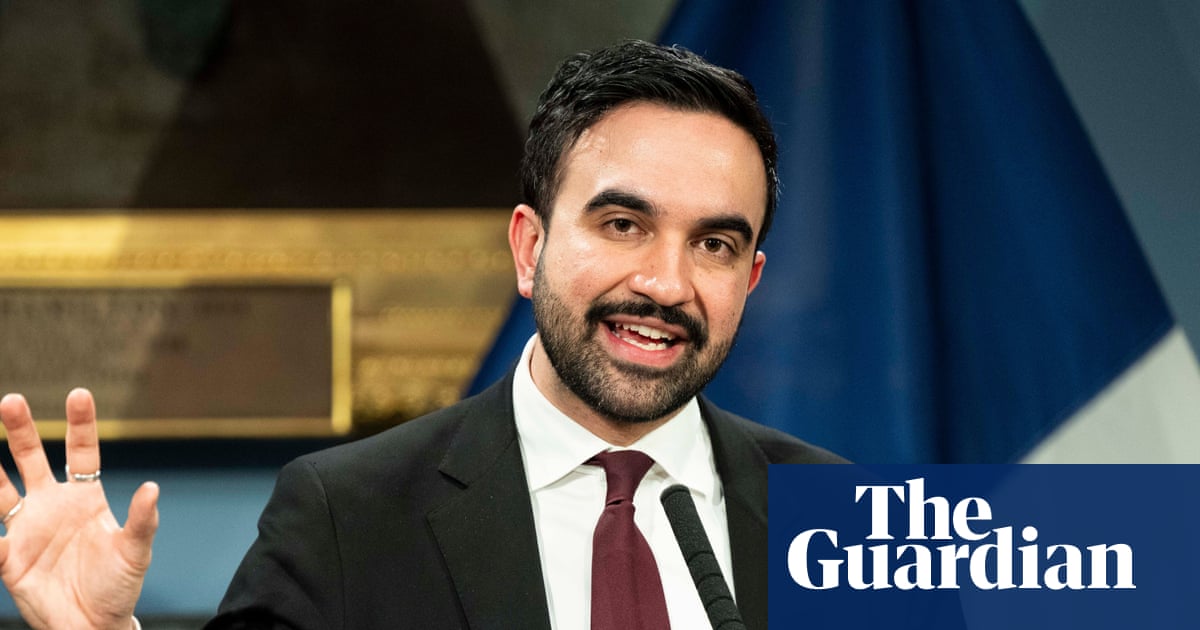
Mamdani floats New York City property tax raise if state won’t tax millionaires
 Reason
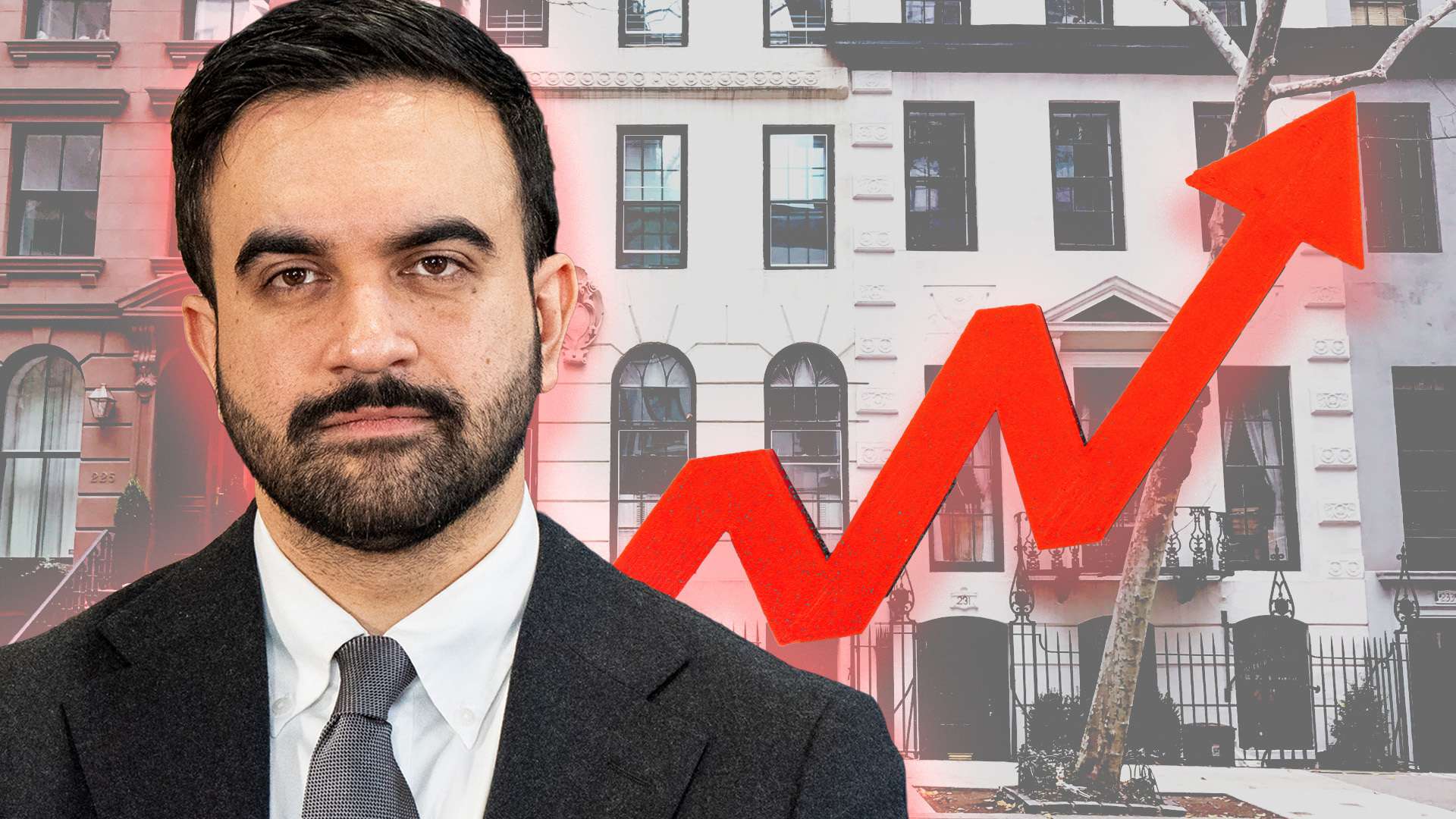
Mamdani to increase NYC property taxes by 9.5 percent to balance budget if income taxes are not raised
 Reason
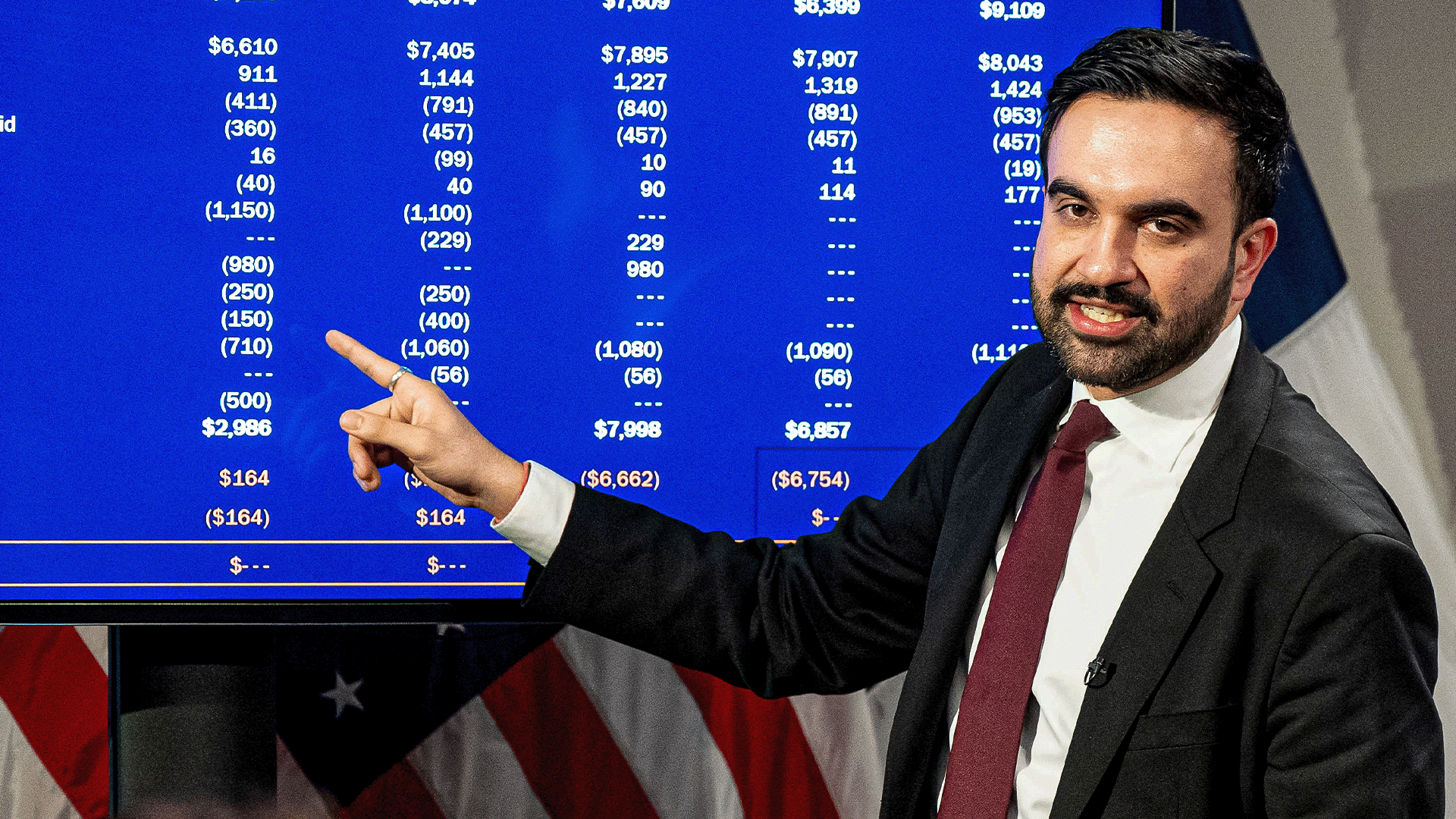
Austerity socialism

 Fox Business
Mamdani proposes raising NYC property taxes if state doesn't approve tax hike on wealthy
Overview
Mayor Zohran Mamdani released a preliminary budget and said he would raise property taxes by 9.5% as a "last resort" if the state does not raise taxes on the ultra-wealthy and corporations.
The warning follows the city's fiscal shortfall, with officials citing a $5.4 billion budget gap that officials say could rise to $7 billion over the next two years and a $1.5 billion state contribution.
City Council Speaker Julie Menin and Finance Chair Linda Lee said dipping into reserves and significant property tax increases "should not be on the table," while Comptroller Mark Levine called the property tax option "pretty extreme," and a Florida senator criticized the proposal.
The property tax proposal could affect more than 3 million single-family homes, co-ops and condos and over 100,000 commercial buildings, and Mamdani said he might tap nearly $1 billion from the Rainy Day Fund and over $200 million from the Retiree Health Benefits Trust.
The City Council must approve budgets, the mayor has set Chief Savings Officers to identify agency savings by March 20, and Mamdani said he will keep working with Albany to seek tax changes on top earners and corporations.
Analysis
Center-leaning sources frame Mamdani's budget as fiscal mismanagement and a tax-driven burden, using alarmist language ("brace themselves," "jack up property taxes"), privileging critics (citing Lander and City Journal) and highlighting asylum-related costs and Adams's "profligacy" to emphasize taxpayer pain and undercut support for tax hikes.
FAQ
Mayor Mamdani has proposed increasing personal income taxes on New Yorkers earning more than $1 million annually and raising taxes on the most profitable corporations[1]. However, the search results do not specify the exact tax rate increases for these groups. The mayor has positioned these taxes as his preferred solution to close the budget gap, contrasting them with the 9.5% property tax increase he would implement if Albany does not approve the new tax authority[1].
The 9.5% property tax increase would generate $3.7 billion in FY 2027[1]. This represents a significant revenue source, though it falls short of fully closing the remaining budget gap after other revenue adjustments and state support are applied[1].
Mayor Mamdani attributed the budget crisis to fiscal mismanagement under the prior Adams Administration[1]. The city identified a pattern of underbudgeted essential services, including rental assistance, shelter operations and special education, that widened projected budget gaps to roughly $12 billion across FY 2026 and FY 2027[1]. Mamdani has also pointed to structural imbalances in the fiscal relationship between the City and State, arguing that the city provides more resources to the state than it receives in return[1].
Governor Kathy Hochul announced that the state would provide $1.5 billion in additional aid to the city over two years[4]. This includes $510 million in recurring funds targeting costs that have shifted from the state to the city under prior administrations, including $300 million for youth programs, $60 million for public health, and $150 million in restored sales tax receipts[4]. The city also received an additional $97 million in Foundation Aid for education[1].
The Mamdani Administration applied $980 million from the city's Rainy Day Reserve Fund in FY 2026 and $229 million from the Retiree Health Benefit Trust in FY 2027 to balance the budget[1]. According to the preliminary budget summary, the city may tap nearly $1 billion from the Rainy Day Fund and over $200 million from the Retiree Health Benefits Trust if necessary to close the remaining gap.