Fine Arts Panel Approves Trump White House Ballroom
Fast-tracked approval advances a $400 million East Wing ballroom plan to a March 5 review, moving the project closer to possible above-ground construction in April.
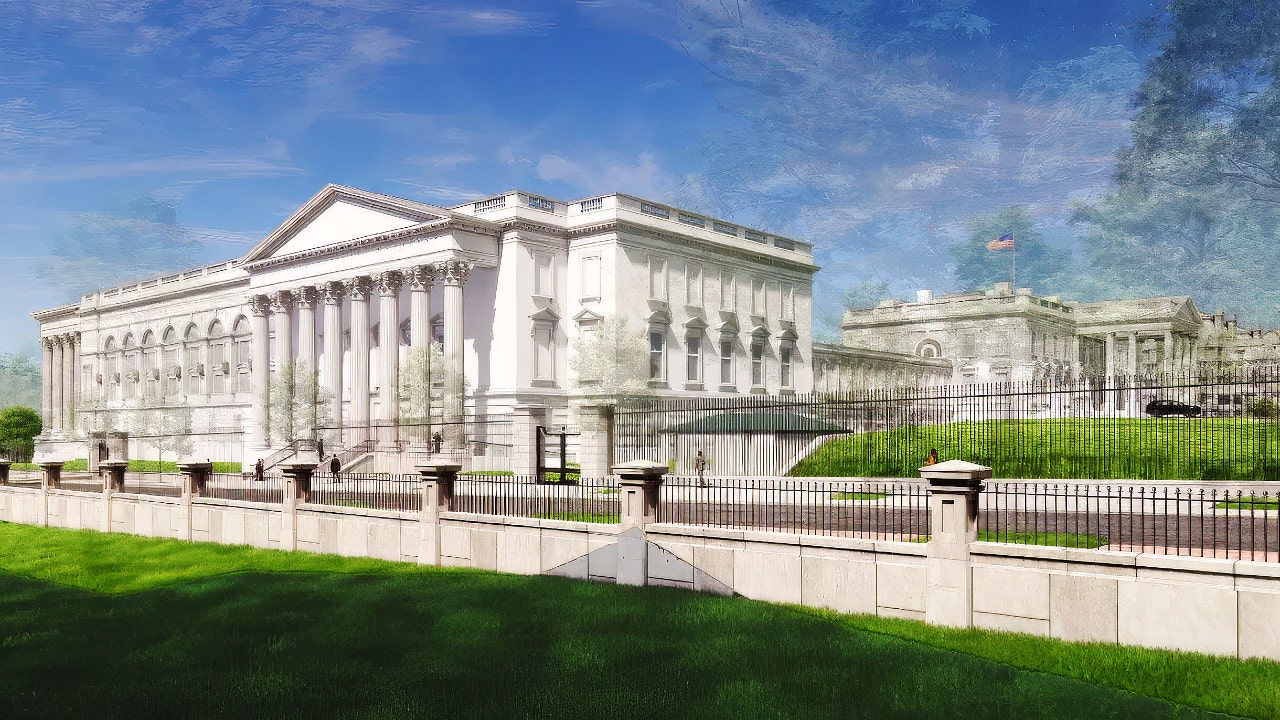
 FOX News
Trump White House ballroom proposal gets approval by Commission of Fine Arts
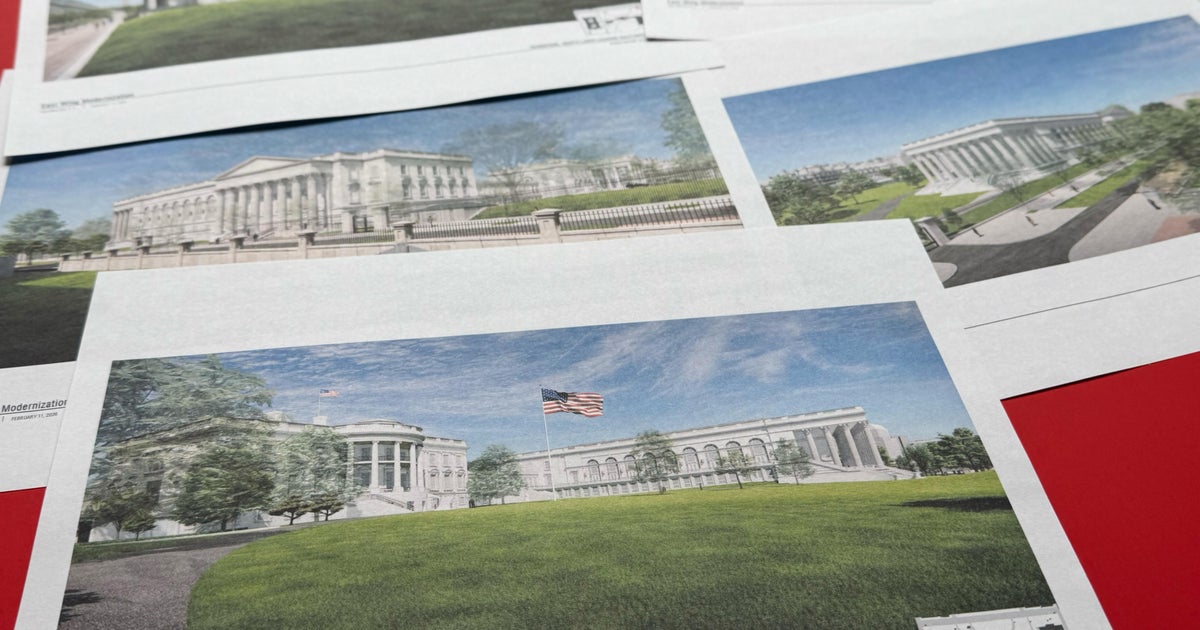
 CBS News
Arts Commission approves Trump ballroom plans, despite public comments that were "overwhelmingly in opposition"
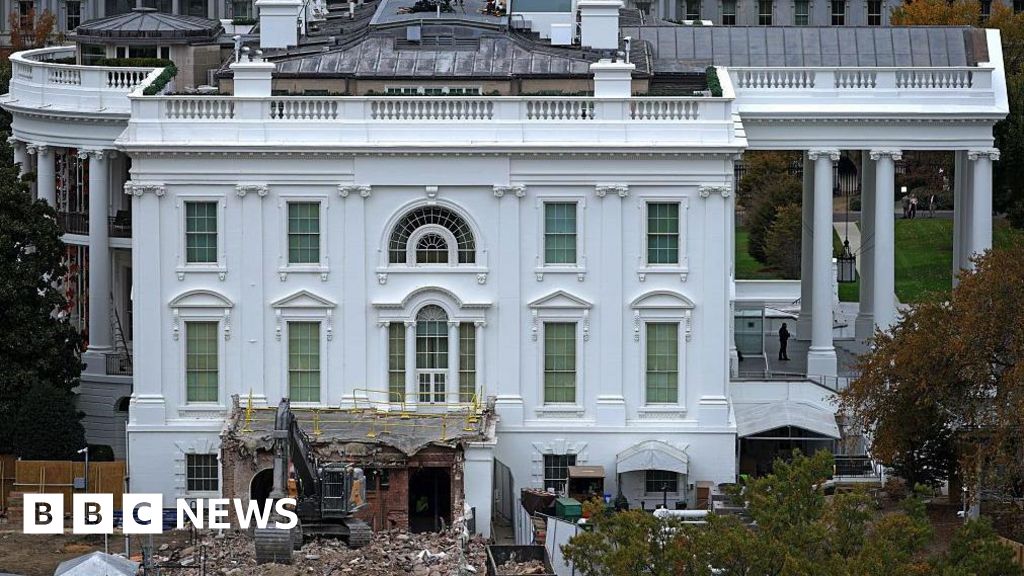
 BBC News
Trump-appointed panel approves White House ballroom project

 Washington Examiner
Fine arts panel approves Trump's ballroom
Overview
The Commission of Fine Arts voted to approve the final design for President Trump’s East Wing ballroom, with six votes in favor and one recusal, chairman Rodney Mims Cook Jr. said.
The East Wing of the White House was demolished last fall to make way for the proposed ballroom, which the administration says addresses inadequate current facilities.
The National Trust for Historic Preservation filed a federal lawsuit to halt construction, arguing the project did not comply with legally mandated review processes, court documents show.
The estimated $400 million project would expand event capacity to about 1,350 people from the old East Wing dining room’s 200-seat capacity, and the design was increased from an initial 500-person plan, officials said.
The project still requires review by the National Capital Planning Commission at a meeting on March 5, and the administration has said vertical construction could begin as soon as April if approved.
Analysis
Center-leaning sources frame the story as contested and politically charged, emphasizing Trump’s appointments, demolition of the East Wing, the National Trust lawsuit, and the ballroom’s expanded 1,350 capacity. Editorial choices spotlight potential conflicts and public opposition; direct source content includes Rodney Mims Cook Jr.’s defense, the Trust’s lawsuit quote, and Trump’s promises.
FAQ
The lawsuit to halt construction is still pending, with no ruling issued yet.
The design includes a ballroom expanding capacity to about 1,350 people, renderings from various perspectives, removal of a pediment on the south face, animations of public views, relocated fountain, and accent foliage; it attaches to the Executive Residence via a glass bridge.
The project is estimated at $400 million and will be funded by private donations, though only an incomplete list of donors has been released.
The project requires review by the National Capital Planning Commission at a meeting on March 5, after which vertical construction could begin as soon as April if approved.

