Judge Limits Trump Administration's Mass Detention Policies
Judge Sunshine Sykes ordered DHS to notify detained immigrants of possible bond eligibility and criticized the administration's mass-detention claims, citing deaths of Renée Good and Alex Pretti and noting prior November and December rulings.



Overview
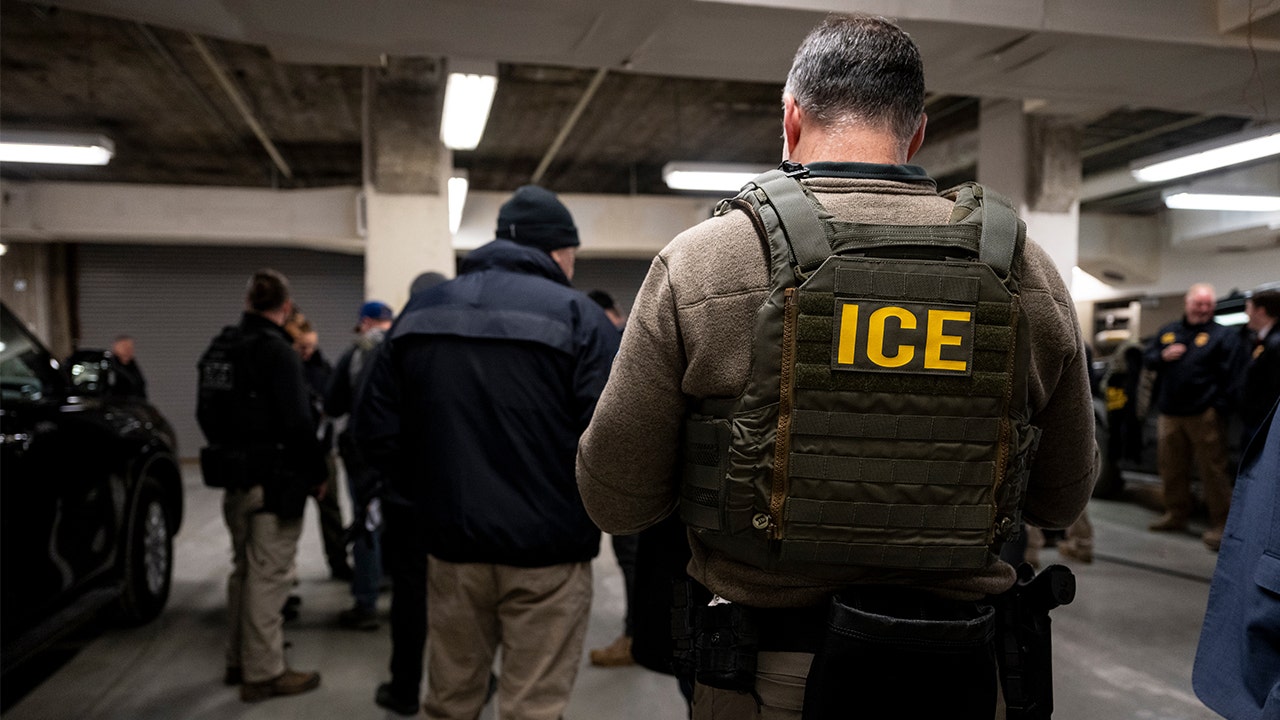
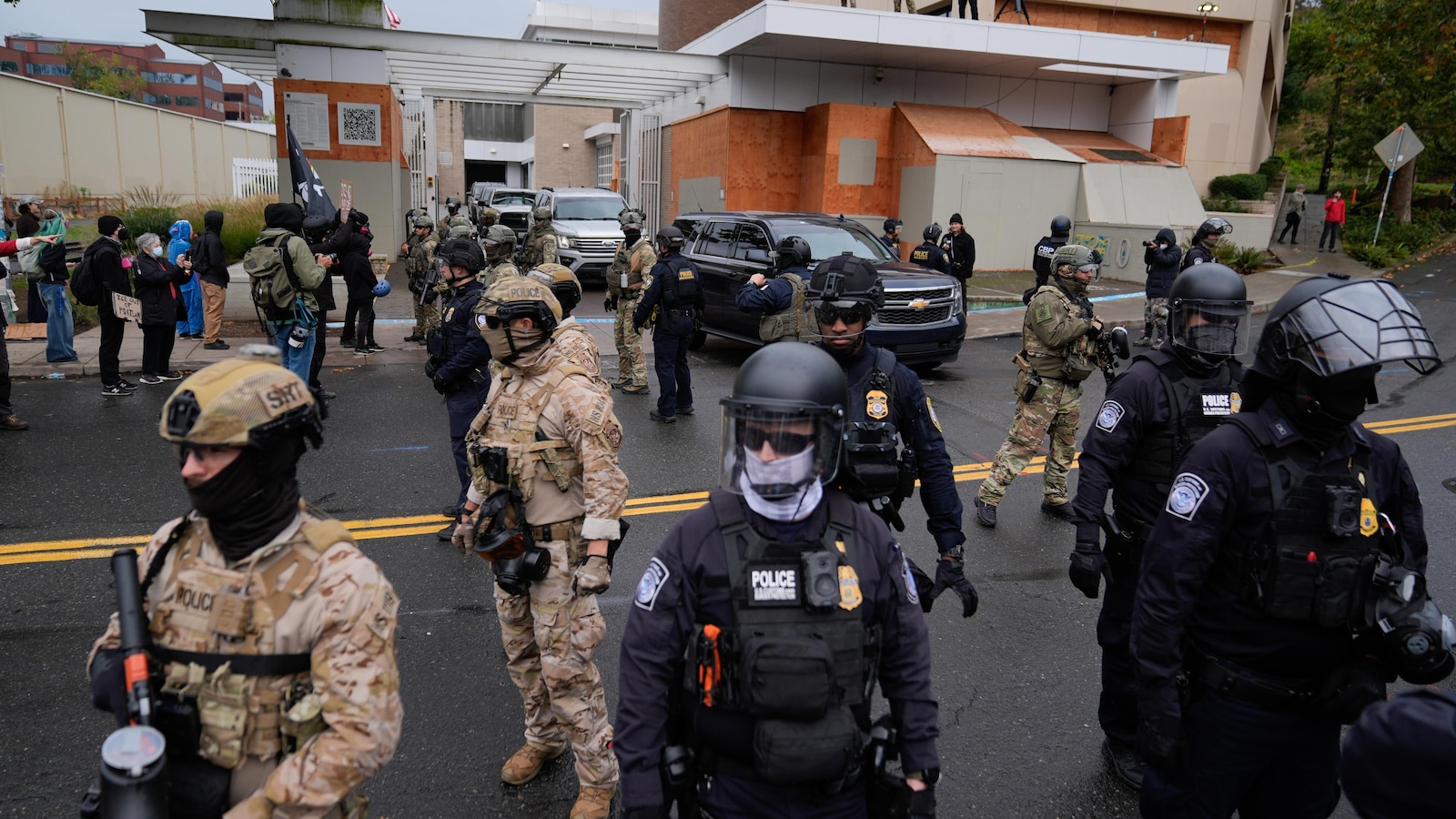
U.S. District Judge Sunshine Sykes issued a scathing decision late Wednesday ordering the Department of Homeland Security to notify detained immigrants that they may be eligible for bond and to give them phone access to call an attorney within an hour.
Sykes had ruled in November and again in December that the administration's elimination of routine bond hearings for many detainees violated the law, but the administration continued denying bond hearings nationwide.
The White House defended ICE's actions, while other federal judges have found government lawyers in contempt and a New Jersey judge ordered the administration to explain procedures after missed bond‑hearing deadlines.
Federal court records show more than 20,000 habeas corpus cases have been filed since Trump's inauguration, and one judge said Trump officials missed deadlines in 12 of roughly 550 cases since December 5.
Sykes called the 'worst of the worst' claim inaccurate and said her ruling could block mass deportations and restore bond hearings, while a federal appeals court has ruled for the administration in a related case.
Analysis
Center-leaning sources frame the story as a judicial condemnation of the Trump administration by foregrounding Judge Sunshine Sykes’ language (headline: “scathing ruling”; lead quoting “terror”), emphasizing human costs (Renée Good, Alex Pretti), and giving limited space to the White House response. The structure elevates judicial critique over administrative rebuttal.
FAQ
The Trump administration based its mandatory detention policy on a new interpretation of the Immigration and Nationality Act (INA), specifically Section 1225(b)(2)(A), which prescribes mandatory detention for "applicants for admission" to the United States while their cases proceed in immigration courts.[1][5] The administration reclassified millions of interior-resident noncitizens as "applicants for admission" through an ICE Director memorandum issued July 8, 2025, to deny them bond hearings.[5] However, Judge Sykes determined this interpretation was unlawful and not in accordance with the law, ruling that detainees were entitled to consideration for release on bond.[3]
The administration continued denying bond hearings because Chief Immigration Judge Teresa Riley issued guidance instructing immigration judges that they were not bound by Judge Sykes' December ruling and should continue following the Board of Immigration Appeals' decision in *Matter of Yajure Hurtado*.[1] When questioned by the court, the government confirmed that the only justification for continued detention was "the interpretation and the binding controlling authority" of that board decision.[5] Judge Sykes subsequently vacated that board decision on February 18, 2026, to remove the legal precedent the administration was relying upon.[5]
The administration's continued refusal to comply with Judge Sykes' orders has overwhelmed federal courts with litigation. More than 20,000 habeas corpus cases have been filed since Trump's inauguration seeking detainees' release.[2][4] Judge Sykes noted she was watching her own court get buried under habeas petitions because the government was refusing to comply with her order.[5] Additionally, other federal judges have found government lawyers in contempt and issued orders addressing missed bond-hearing deadlines, with one judge reporting that Trump officials missed deadlines in 12 of roughly 550 cases since December 5.[1]
Judge Sykes identified deaths of two American citizens—Renée Good and Alex Pretti in Minnesota—that she attributed to the administration's immigration enforcement operations.[2][4] The judge stated that "beyond its terror against noncitizens, the executive branch has extended its violence on its own citizens."[4] Additionally, Sykes found that the policy had deprived immigrants of their "liberty, economic stability, and fundamental dignity" and wasted valuable time and resources.[2]
A federal appeals court based in New Orleans ruled in favor of the administration the week before Judge Sykes' latest decision, concluding the DHS detention and bond policy was legal.[4] The Justice Department is expected to appeal Judge Sykes' latest ruling and request that the detention policies be allowed to continue temporarily while the issue is being litigated.[4]


