EPA Rolls Back Mercury Limits on Coal Plants
EPA on Friday reverted mercury and toxics standards to 2012 rules, easing requirements the agency said will lower power costs while critics said the move will harm public health.



Overview
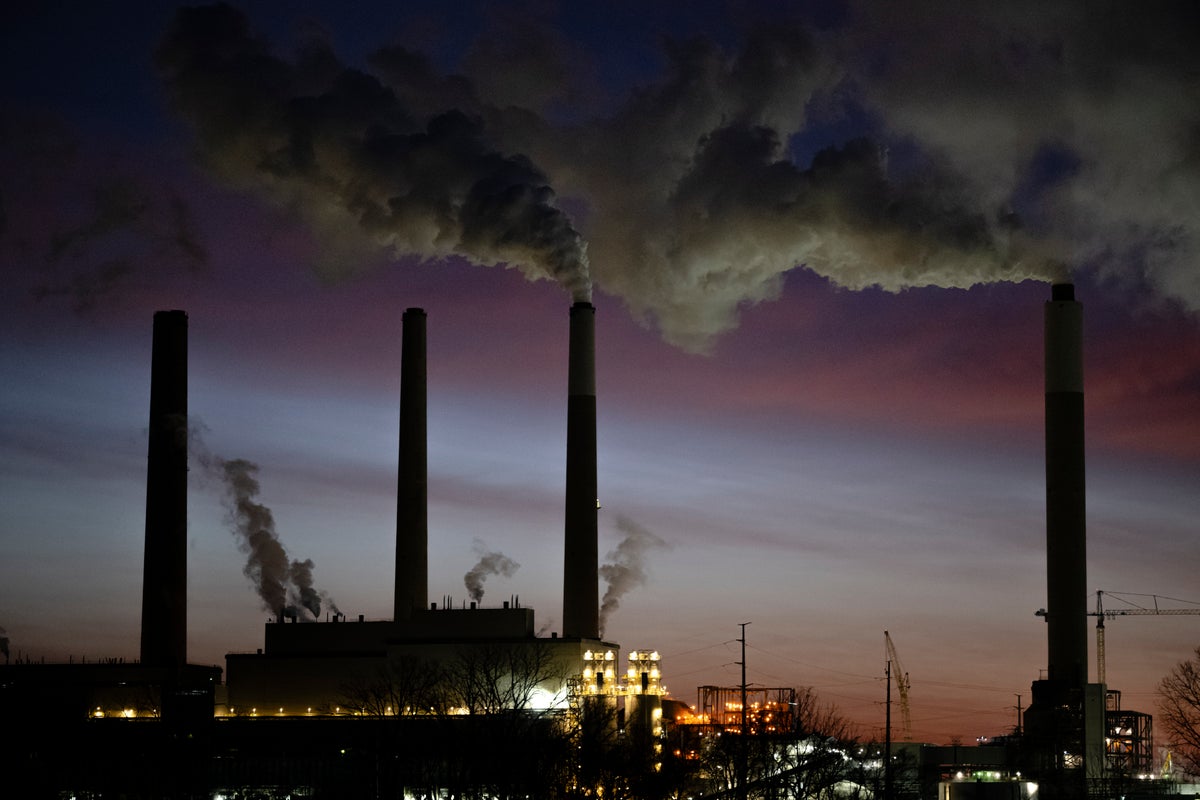
The EPA on Friday announced it weakened limits on mercury and other toxic emissions from coal-fired power plants at an event in Louisville, Kentucky.
The final rule reverts the industry to 2012 standards that had reduced mercury emissions by nearly 90%, while the Biden administration had sought to tighten those standards further.
EPA Deputy Administrator David Fotouhi said the change will lower costs and improve reliability, and the agency said it should save hundreds of millions of dollars.
The Biden-era MATS would reduce allowable mercury pollution by 70%, cut other toxic metals by about two-thirds and yield $420 million in health-cost savings through 2037, according to the Environmental Defense Fund.
Environmental groups said they will challenge the rollback in court, with Surbhi Sarang of the Environmental Defense Fund saying her group plans to sue.
Analysis
Center-leaning sources frame the rollback as a public-health rollback favoring industry, emphasizing harms (mercury, child brain development), quoting environmental critics and public-health experts, while giving industry reliability/cost claims less contextual weight. Language highlights health and climate risks, structuring the story to portray the administration’s move as regulatory backsliding.
FAQ
The EPA reverted to 2012 standards, allowing coal plants to emit up to 4.0 lb/TBtu of mercury instead of the Biden-era limit of 1.2 lb/TBtu, and relaxed limits on other toxics like arsenic and heavy metals.
The administration aimed to reduce costs for power generation, improve grid reliability, and support the coal industry, claiming savings of hundreds of millions of dollars.
These emissions harm brain development in young children, contribute to heart attacks and other issues in adults, and enter the food chain via fish.
Groups like the Environmental Defense Fund and Earthjustice plan to challenge it in court, arguing it harms public health and reverses life-saving protections.
The 2024 standards would reduce mercury by 70%, other toxics by two-thirds, yield $420 million in health savings by 2037, and save up to 11,000 lives yearly.