Supreme Court Invalidates Trump Tariffs; President Moves To New Levies
High court rules IEEPA did not authorize sweeping tariffs, prompting Trump to impose 10% then 15% global tariffs and raising refund and trade uncertainty affecting billions in duties.
 The Free Press
The Economy Can Survive Tariffs, Not Autocracy
 CNN
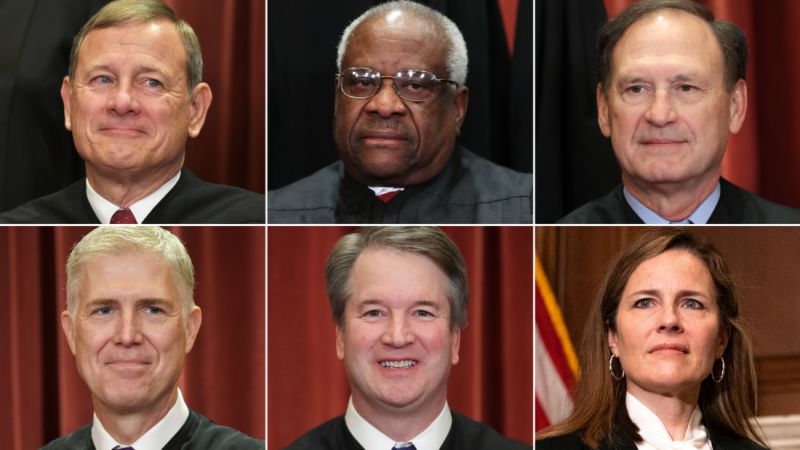
CNNSupreme Court conservatives were united against Biden. Here’s why they split against Trump. | CNN Politics
 Salon
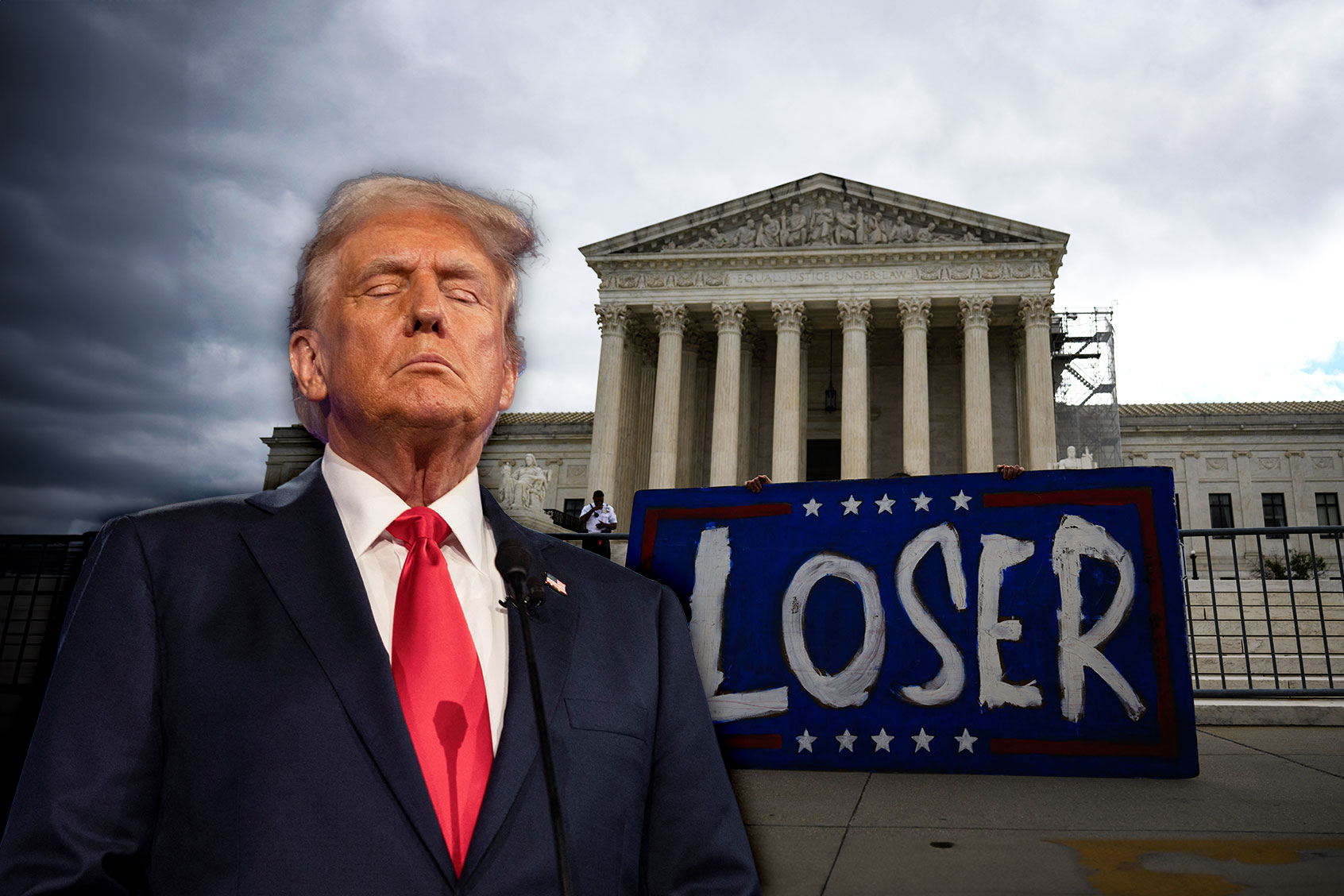
SalonRight-wing media splits over Trump tariff loss

 New York Daily News
The court says no to Trump: Supreme justices choose the Constitution on tariffs
Overview
The Supreme Court on Friday ruled that the International Emergency Economic Powers Act did not authorize sweeping tariffs, Chief Justice John Roberts wrote for the majority.
President Donald Trump responded within hours by imposing a 10% global tariff and raised it to 15% less than 24 hours later, while officials said the administration will pursue other tariff authorities.
Thousands of businesses hailed the ruling and more than 100 companies have filed lawsuits seeking reimbursement, court records show.
The decision puts roughly $130 billion to $175 billion in collected tariffs at issue for refunds and adds uncertainty to U.S.-China relations ahead of Trump’s March 31 through April 2 trip, analysts said.
The administration has invoked Section 122 for temporary tariffs, is pursuing Section 301 and 232 investigations, and the Section 122 tariffs can last up to five months, trade experts said.
Analysis
Center-leaning sources frame the decision primarily as a driver of uncertainty and economic disruption, emphasizing business relief and legal constraints on presidential power. they highlight quotes from analysts and industry leaders, use evaluative language like “furious,” “upending,” and “hard‑fought victory,” and prioritize economic and legal implications over partisan defenses.
FAQ
In a 6-3 decision on February 20, 2026, the Supreme Court ruled that the International Emergency Economic Powers Act (IEEPA) does not authorize the President to impose tariffs, invalidating those imposed since February 2025.[1]
President Trump imposed a 10% global tariff shortly after the ruling and raised it to 15% within 24 hours, using other legal authorities like 19 U.S.C. § 2132 and planning new trade investigations.
The ruling opens the door to refunds for over $130-200 billion in IEEPA tariff revenue, but the Supreme Court did not specify mechanics; over 100 companies have sued, and litigation will continue.[1][2]
Chief Justice Roberts wrote that IEEPA's 'regulate importation' does not include tariffs, invoking the major questions doctrine, as tariffs require clear congressional delegation and no historical precedent exists for IEEPA tariffs.[1]
The trade-weighted average US tariff fell from 15.4% to 8.3%; countries like South Korea held emergency meetings, Swiss exports dropped 18%, and European firms estimate over 100 billion euros overpaid.[6]


