Trump Defends Tariffs in Georgia as Supreme Court Weighs Challenge
Trump defended his global tariff policy at Coosa Steel in Rome, Ga., as the Supreme Court considers whether IEEPA authorizes broad presidential tariffs.



Overview
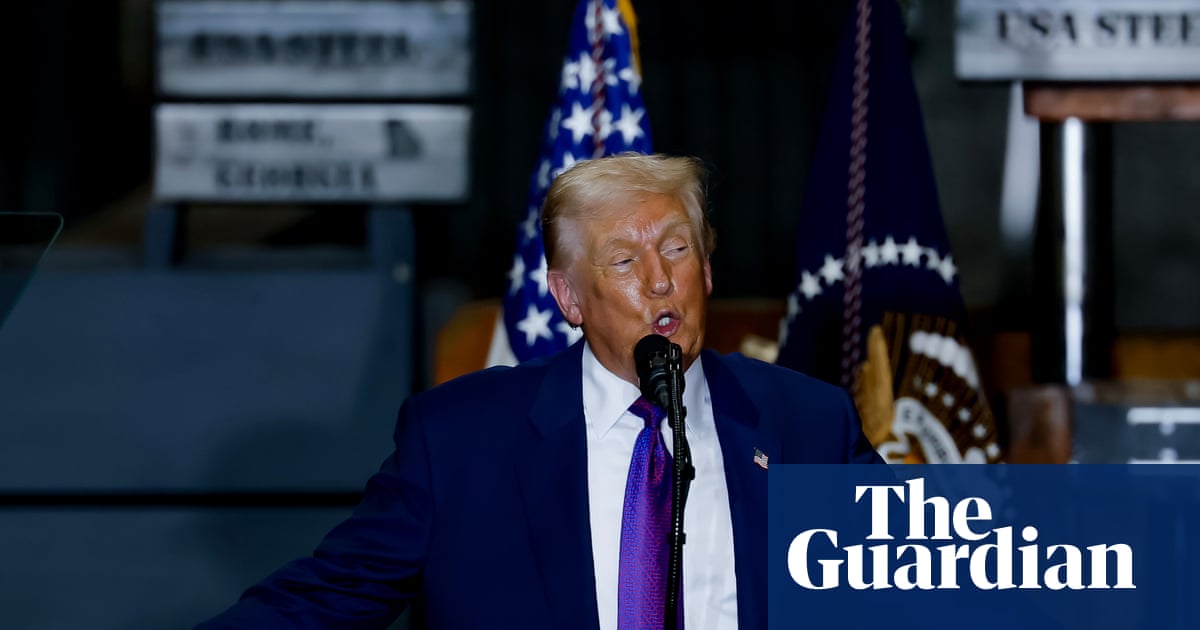
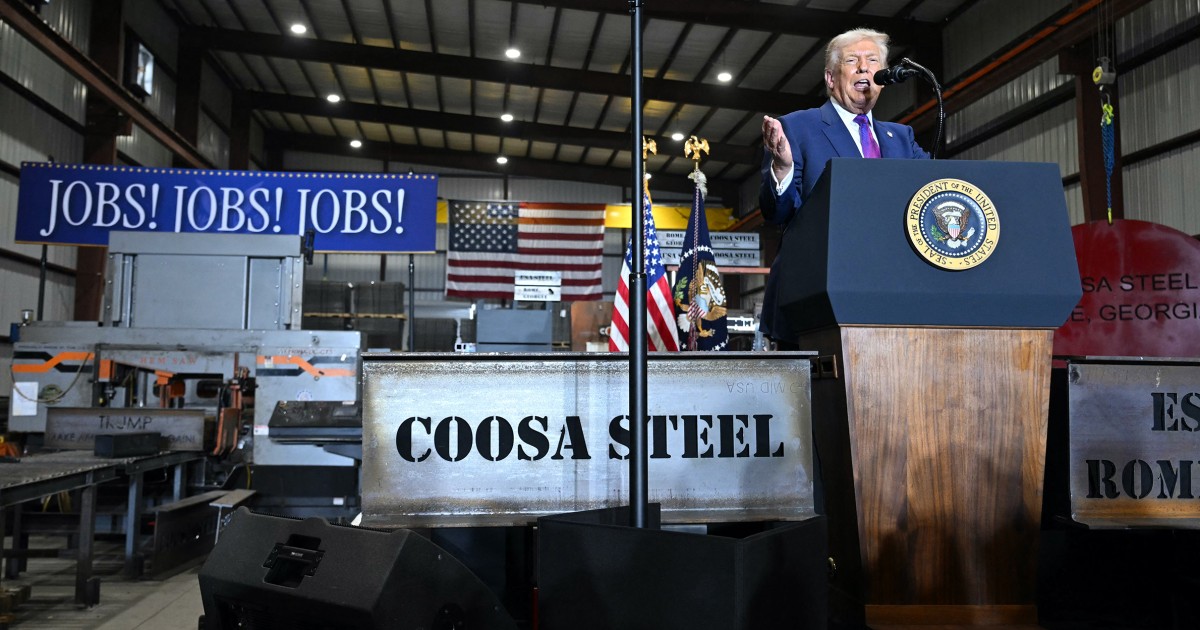
President Donald Trump defended his tariff agenda Thursday at Coosa Steel Corp. in Rome, Georgia, as the Supreme Court weighed whether to strike down his global tariffs and could rule as early as Friday.
At issue in the court case is whether the International Emergency Economic Powers Act gives the president authority to levy broad global tariffs, and challengers argue Congress has the power to set tariffs.
White House economic adviser Kevin Hassett publicly criticized a New York Federal Reserve finding that U.S. consumers have shouldered much of the burden of the tariffs.
The government has already distributed $12 billion in tariff revenue to farmers and projects nearly $1 billion in tariff revenue next year.
If the court invalidates the tariffs, the administration could face financial consequences and would need to seek a different law to implement similar trade measures, administration officials said.
Analysis
Center-leaning sources present this coverage neutrally, largely reporting claims as source content while providing legal and economic context. They summarize the Supreme Court dispute, quote Trump's assertions and administration rebuttals, and include Democratic criticism and data citations (NY Fed finding, $12 billion payouts), avoiding overt editorial language or selective omission.
FAQ
The US Supreme Court is reviewing whether President Trump’s tariffs, imposed under the International Emergency Economic Powers Act (IEEPA) by declaring a national emergency, are constitutional, as the Constitution grants Congress sole power to impose tariffs.
The decision is reportedly not expected until at least February 20, 2026, when justices return from recess, though the article mentions a possible ruling as early as Friday.
If struck down, it could lead to refunds for importers from over $130 billion collected, further litigation, administrative processes for refunds, and the administration seeking alternative laws for trade measures.[1]
More than 1,000 companies, including Fortune Global 500 firms like Costco and Toyota, have joined the case seeking refunds, arguing the executive overstepped authority since Congress holds tariff power.
The government has distributed $12 billion in tariff revenue to farmers and projects nearly $1 billion more next year.[story]

