Boris Johnson Urges Deployment Of Noncombat Troops To Ukraine
Johnson proposed sending U.K. and allied noncombat forces to peaceful Ukrainian regions to signal Western resolve and ‘flip a switch’ in Vladimir Putin’s head.
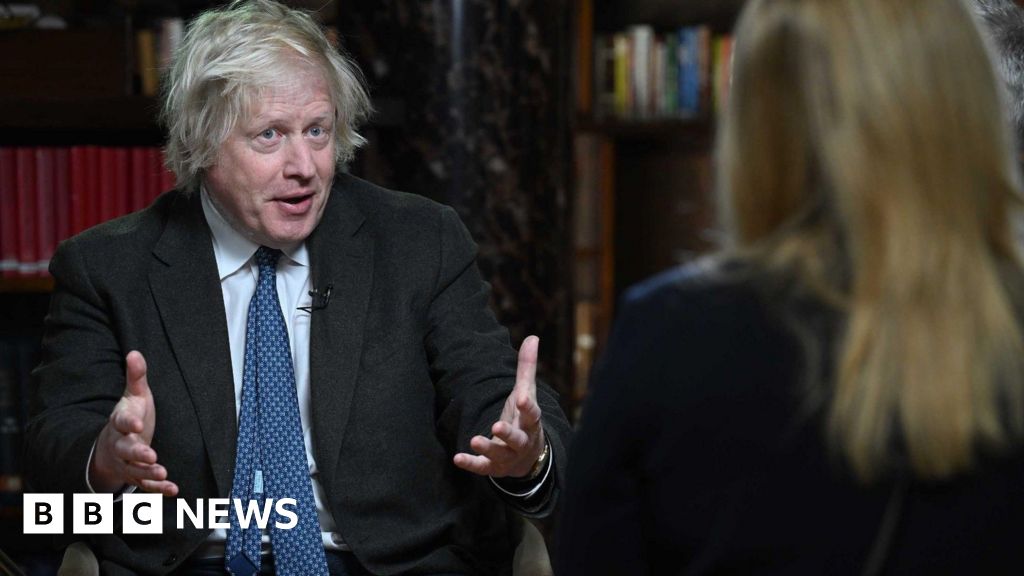
 BBC News
UK should send non-combat troops to Ukraine now, former PM Boris Johnson tells BBC
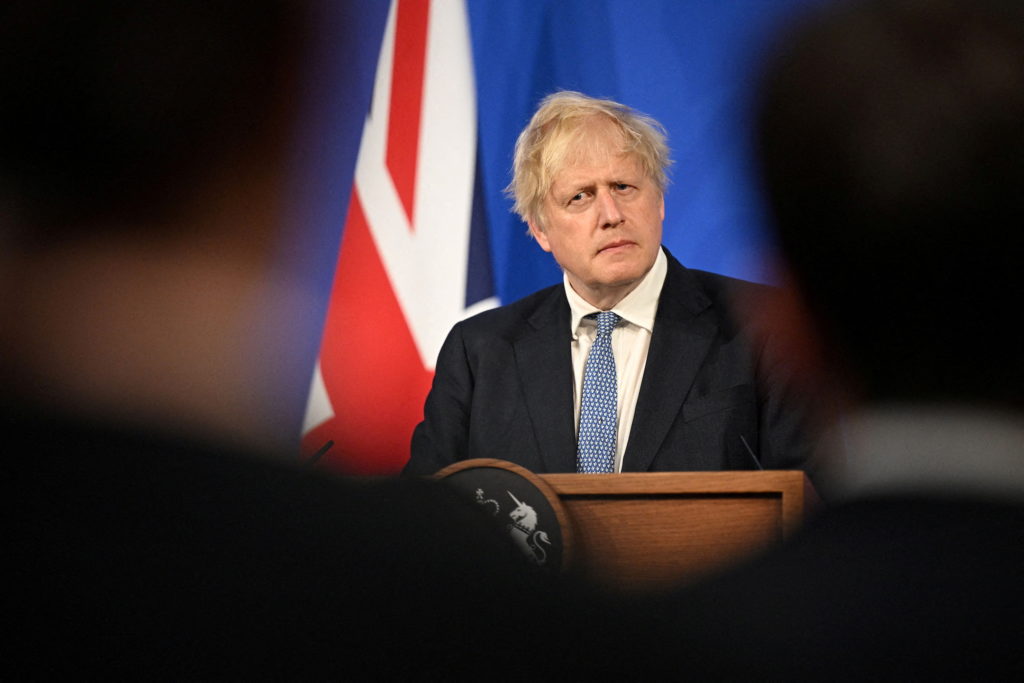
 PBS NewsHour
Former UK Prime Minister Bori Johnson calls on allies to send noncombat troops to Ukraine
PBS NewsHourFormer UK Prime Minister Boris Johnson calls on allies to send noncombat troops to Ukraine
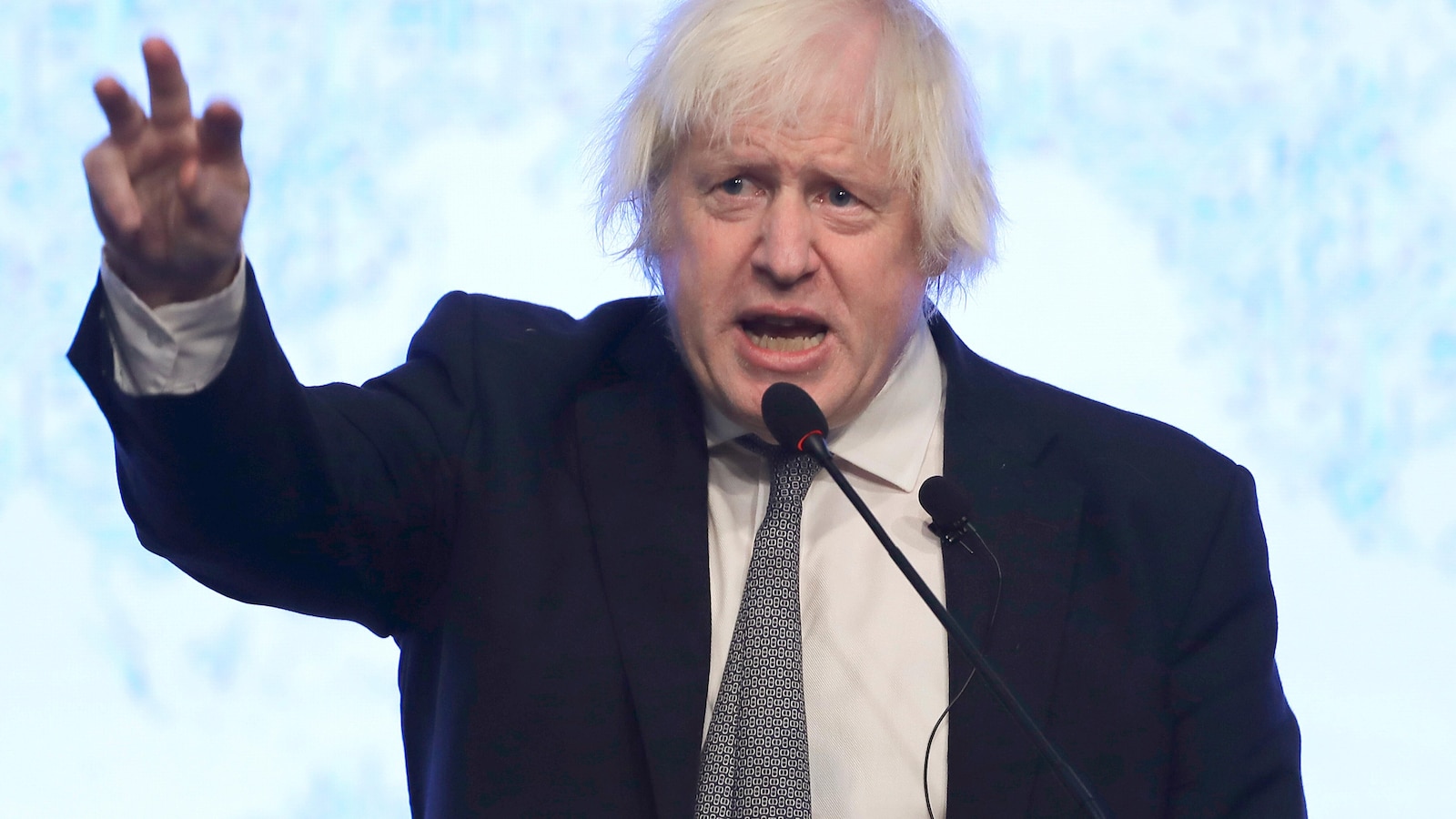
 ABC News
Ex-UK Prime Minister Johnson calls on allies to send noncombat troops to Ukraine
Overview
Former Prime Minister Boris Johnson told the BBC that the U.K. and its allies should deploy noncombat troops now to peaceful regions of Ukraine to 'flip a switch' in Vladimir Putin's head.
The U.K. government is planning a 'coalition of the willing' to preserve peace in Ukraine, but says troops would deploy only after a deal to end the war.
Defence Secretary John Healey said he would send British troops to Ukraine only after a peace deal, writing in the Telegraph that such a deployment would mean the war was over.
In September, President Vladimir Putin said any troops deployed to Ukraine would be 'legitimate targets,' and Western planners have publicly avoided discussing such deployments for fear of escalation.
Adm. Sir Tony Radakin urged the government to honour its Nato-era pledge to spend 3.5% of national income on defence by 2035 to ensure continued security and readiness.
Analysis
Center-leaning sources present Johnson's call as a provocative policy shift, using editorial emphasis and context to dramatize its significance. The BBC's analysis uses evaluative language ("striking", "eye-catching") and foregrounds his regret and critique of Western inaction, while AP reports more neutrally but still highlights escalation risks by citing Putin and the defence secretary.
FAQ
The UK's Interflex program, which provides combat and leadership training to Ukrainian soldiers, will continue until at least the end of 2026[1]. More than 50,000 Ukrainian recruits have already been trained under this program[1].
Boris Johnson proposed immediate deployment of noncombat troops to peaceful Ukrainian regions now, while the current UK government policy, led by the 'coalition of the willing,' plans to deploy troops only after a ceasefire agreement is reached[2]. Defence Secretary John Healey stated that British troops would only be sent to Ukraine after a peace deal is in place[2].
The UK's military resources face significant constraints: the British army is the smallest it has been since the 1790s, about 7,500 UK personnel are already deployed internationally, and NATO Multinational Battlegroup resources in Estonia are stretched[3]. France faces deep divisions over increased defence spending[3]. These resource limitations raise questions about where sufficient 'boots on the ground' can be found for Ukraine[3].
President Vladimir Putin rejected Western peacekeeping proposals in September, warning that any troops deployed to Ukraine would be considered 'legitimate targets'[2]. Western military strategists have avoided public discussion of troop deployments, fearing Russia would interpret such moves as an escalation[2].
The UK and France have agreed to 'establish military hubs across Ukraine' and build protected weapon facilities to support Ukraine's defensive needs in the event of a ceasefire[3]. According to Zelenskyy, France and Britain have already 'worked out in detail' the force deployment, including numbers and required weapons components[3].