Trump Approves FEMA Aid For Potomac Sewage Spill
FEMA will provide equipment and resources after a Jan. 19 rupture of the 72-inch Potomac Interceptor that released roughly 243 to 250 million gallons of sewage.

 RedState
Here's What We Know About Trump Declaring an Emergency in D.C. Over Potomac Sewage Spill
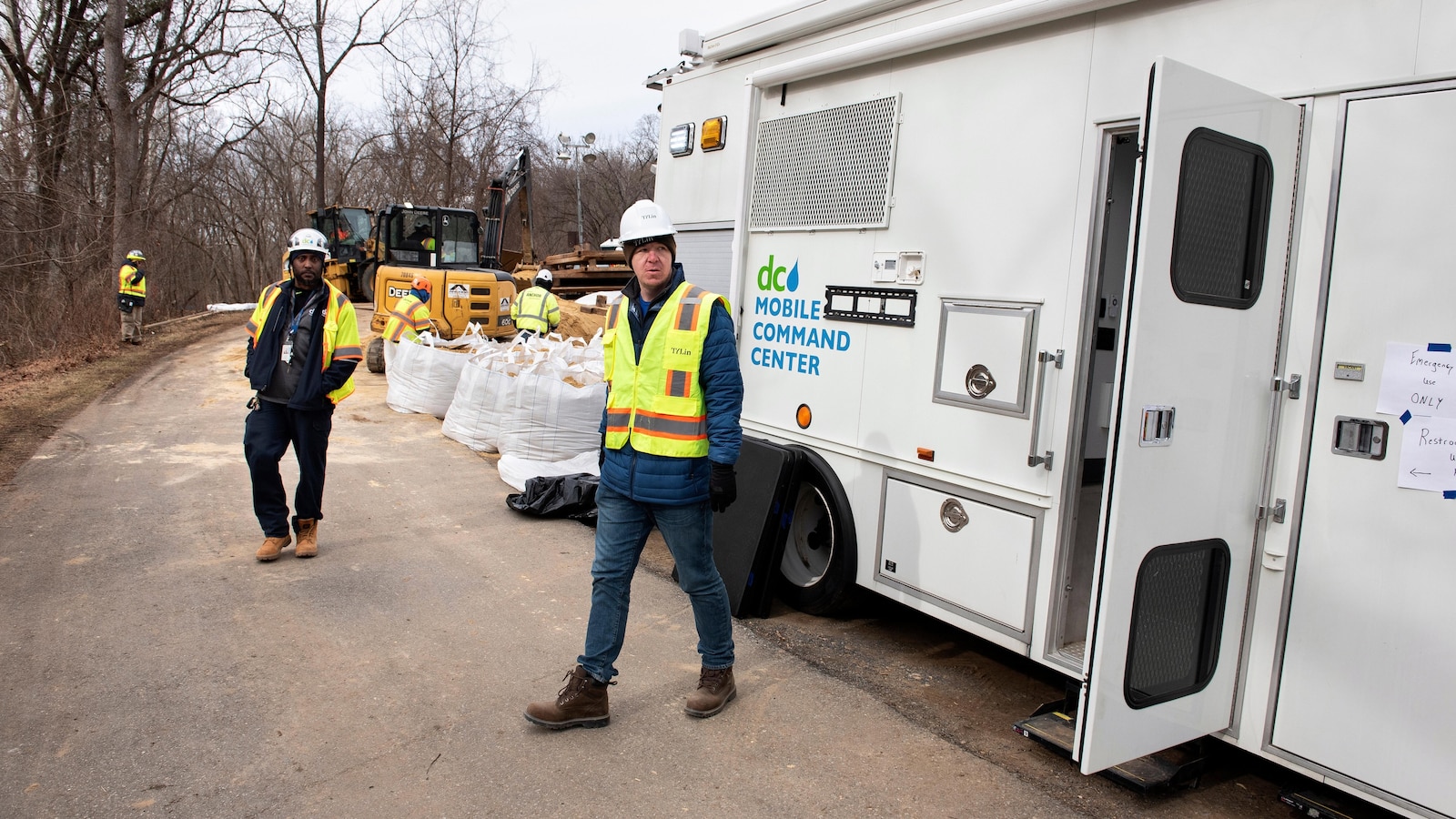
 ABC News
Trump approves disaster assistance to DC to help with sewage spill into Potomac River
 Associated Press
Trump approves disaster assistance to DC to help with sewage spill into Potomac River

 Joe.My.God.
Trump Okays FEMA Aid In Potomac River Sewage Spill - Joe.My.God.
Overview
President Donald Trump approved emergency federal assistance allowing FEMA to provide equipment and resources to respond to the Potomac River sewage spill, the agency announced.
The spill began when the 72-inch Potomac Interceptor ruptured on Jan. 19, releasing roughly 243 to 250 million gallons of raw sewage into the Potomac River, officials said.
D.C. Mayor Muriel Bowser declared a local emergency and requested federal assistance, officials said.
FEMA named Mark K. O'Hanlon as the Federal Coordinating Officer and said emergency protective measures are eligible for 75 percent federal funding, the agency said.
Officials said the leak is largely under control but full repairs to the pipeline could take months, officials said.
Analysis
Center-leaning sources frame the story as a partisan dispute, foregrounding President Trump's public blame (highlighted through direct quotes and social posts) while juxtaposing facts — EPA involvement, FEMA approval and safety assurances — to counter his claims. Details like "no Democrats were spotted" and phrasing such as "dumped raw sewage" emphasize political optics and seriousness.
FAQ
A 72-inch section of the Potomac Interceptor sewer line collapsed on January 19, 2026, near Cabin John, Maryland, releasing approximately 243 to 250 million gallons of raw sewage into the Potomac River.
The spill is largely under control with a bypass system rerouting wastewater since January 24; repairs are delayed by debris and a rock obstruction, expected to take several more weeks or months.
Drinking water remains safe as it is sourced upstream; officials advise avoiding contact with the river due to high E. coli levels (26 times EPA limit near site) and bacteria like staph and MRSA, prohibiting fishing, swimming, and boating.
President Trump approved FEMA aid for equipment and resources; Mark K. O'Hanlon is the Federal Coordinating Officer, with 75% federal funding for emergency protective measures.