DHS and ICE Buy Warehouses Amid Local Pushback
Signed deeds show ICE and DHS have purchased large warehouses tied to a $38.3 billion to $45 billion plan to expand detention capacity to 92,000 beds, prompting local backlash and some owners to withdraw.
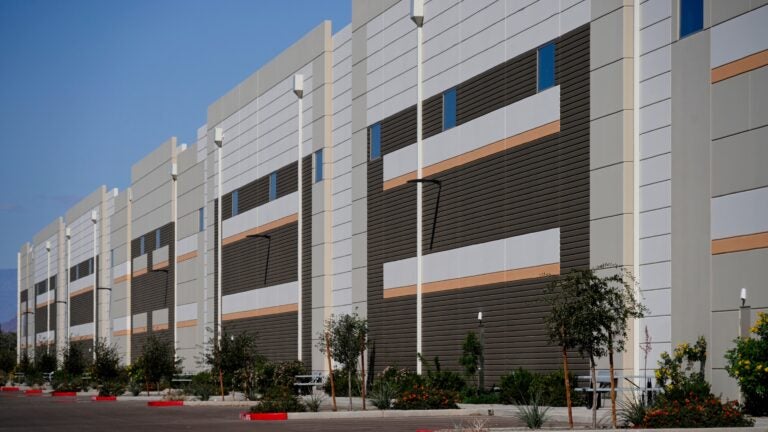
 Boston Globe
ICE begins to purchase warehouses, but some owners are backing out of deals
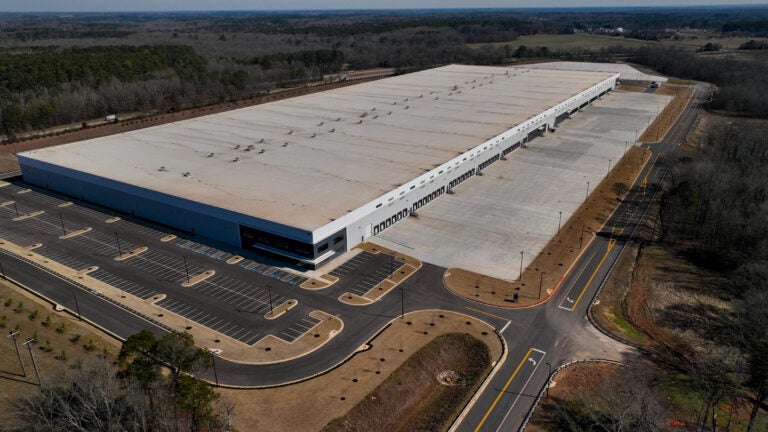 Boston Globe
ICE's purchases for big detention centers are marked by secrecy, frustrating towns
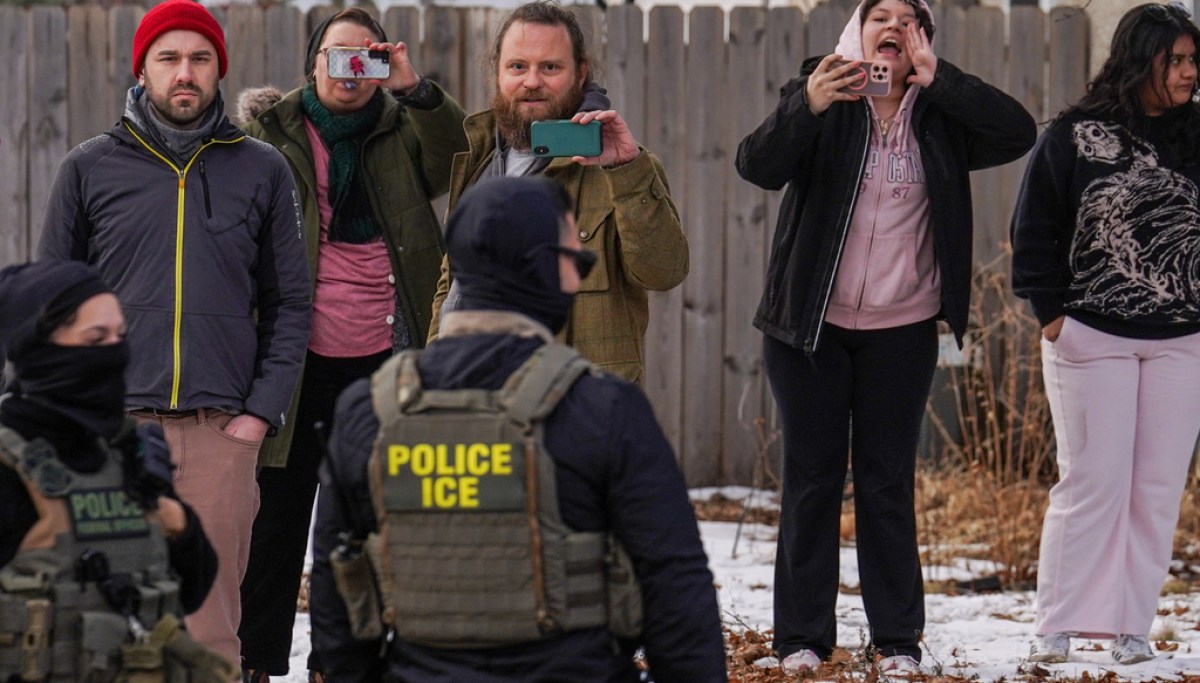
 Washington Examiner
ICE’s purchases for big detention centers are marked by secrecy, frustrating towns

 ABC News
ICE begins to purchase warehouses, but some owners are backing out of deals
Overview
Signed deeds show DHS and ICE have completed purchases of large warehouses, including a 418,000-square-foot Surprise, Arizona building for $70 million and a trio in Socorro, Texas for $122.8 million.
A DHS document released Feb. 13 ties the purchases to a plan estimated at $38.3 billion to $45 billion to boost detention capacity to 92,000 beds.
New Hampshire Gov. Kelly Ayotte disputed federal claims that DHS had worked with her after ICE disclosed plans to spend $158 million to convert a Merrimack warehouse into a 500-bed processing center.
Signed deeds and reporting show at least seven warehouse purchases and that sales were scuttled in eight locations across at least 20 communities, prompting local concern about lost tax revenue and strained utilities.
State and local officials, including Pennsylvania Gov. Josh Shapiro, said they will oppose or challenge DHS plans, and some warehouse owners have withdrawn from or declined transactions.
Analysis
Center-leaning sources frame the story as a secretive, community-confrontation narrative by using loaded terms ('stealth targets'), prioritizing local officials' objections and pulled deals, and foregrounding ICE errors and minimal explanations. Editorial choices — placement of municipal complaints, selective emphasis on rescinded sales, and brief ICE responses — create a skeptical, government-accountability focus.
FAQ
The detention facility expansion plan is estimated to cost between $38.3 billion and $45 billion[2][3]. The funds will be paid through Congressional allocation via the "One Big Beautiful Bill Act"[2][3]. According to ICE, the plan aims to acquire eight "mega centers" capable of holding 7,000 to 10,000 individuals each, 16 processing centers designed for 1,000 to 1,500 people, and 10 additional enforcement division sites, with a total capacity of approximately 92,600 individuals[3].
State and local officials are opposing the plans due to multiple concerns, including potential loss of tax revenue from converted warehouses[1], strained utility infrastructure that cannot support the facilities' demands[1], and lack of federal financial assistance for required infrastructure upgrades[1]. For example, Social Circle, Georgia faces challenges meeting the water and sewage capacity needed for a 7,500 to 10,000-bed facility, with DHS representatives offering only hypothetical alternatives like drilling wells rather than committing to funding assistance[1].
The "Hub and Spoke Model" is DHS's proposed detention system structure in which four smaller processing facilities feed detainees into larger detention facilities (the "hubs")[1]. The processing centers are designed to hold individuals for 3 to 7 days, while the larger facilities serve as primary locations for individuals awaiting deportation, housing them for approximately 60 days on average[3].
DHS intends to fully implement the new detention model by the end of Fiscal Year 2026[1], with ICE aiming to open the eight mega centers and 16 processing facilities by November 30[2].
The current system relies on a patchwork of approximately 300 facilities, many run by private prison companies that lease space to ICE[2]. The new plan consolidates detention into 34 facilities nationwide, with DHS taking direct control of government-owned warehouses built to common specifications[2]. According to Aaron Reichlin-Melnick of the American Immigration Council, this "reengineering" moves away from private operations to a federal system designed for more efficient detention and deportation[2].