Macron Orders Review After Killing Of Far-Right Student In Lyon
President Macron ordered a review of violent activist groups after Quentin Deranque died following a Feb. 12 beating in Lyon, and seven people have been charged in the case.
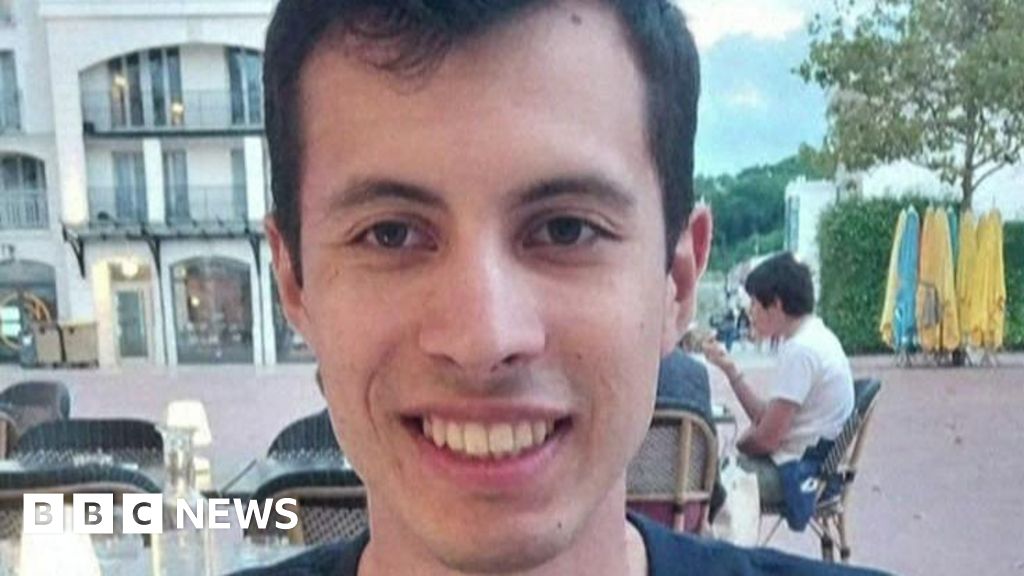
 BBC News
Killing of nationalist student leaves French far left in deep trouble as elections loom
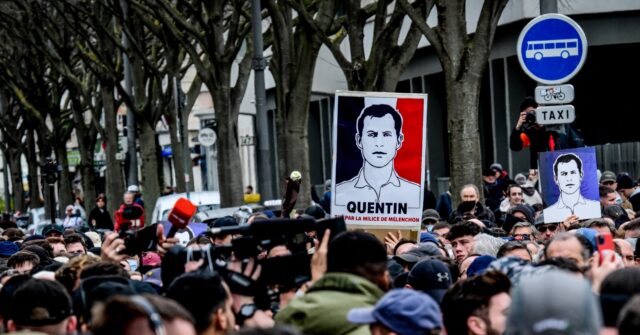
 Breitbart News
'Antifa Murderers': Thousands Protest Killing of Conservative Student in France

 CNN
CNNDeath of far-right activist in France sends tensions soaring and draws US criticism | CNN
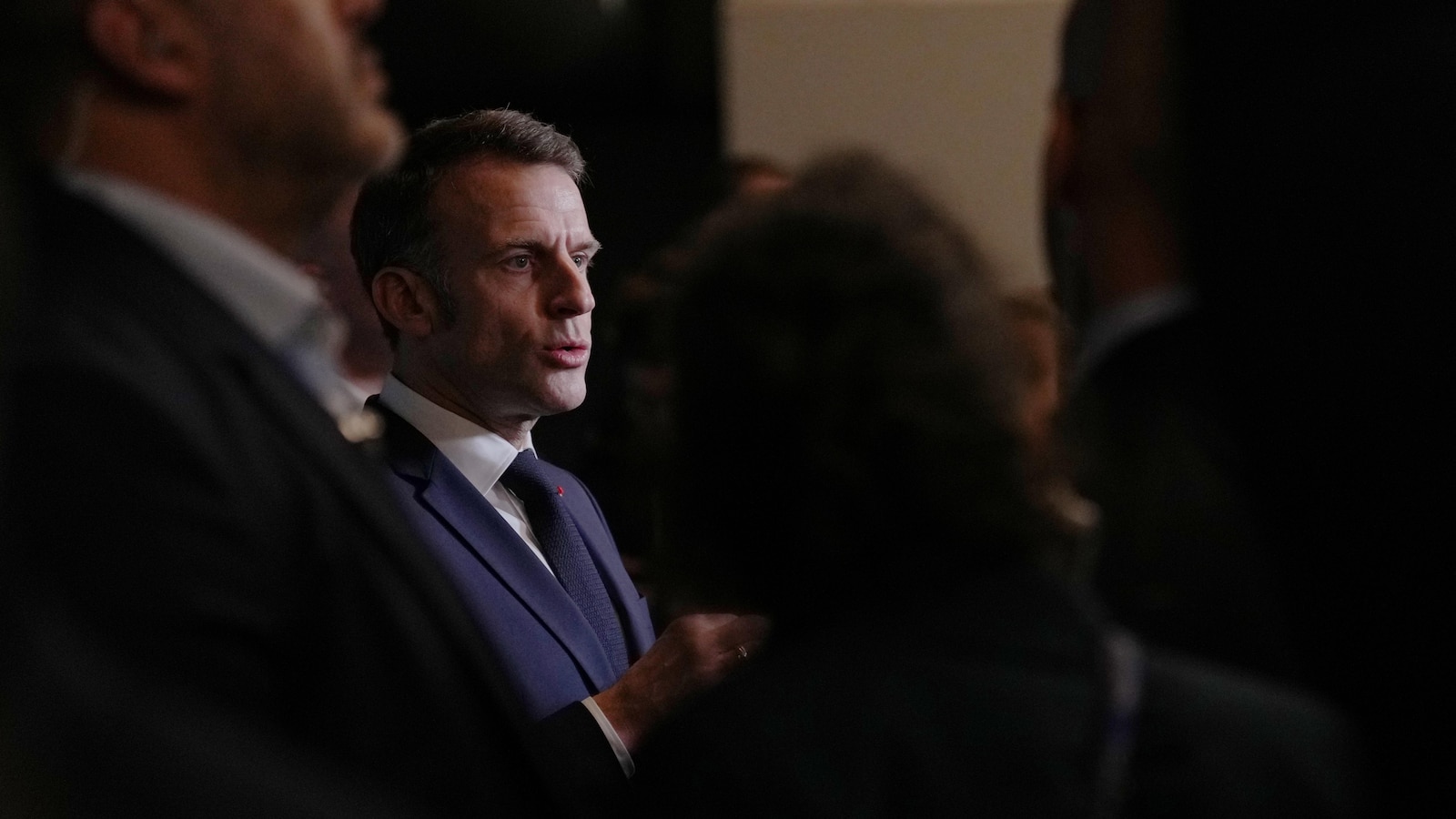
 ABC News
Macron orders review of violent activist groups after fatal beating of far-right activist
 Associated Press
Hundreds march in Lyon to protest far-right activist's killing as Macron urges calm
Overview
President Emmanuel Macron called for calm and ordered a review of violent activist groups after Quentin Deranque died of brain injuries following a Feb. 12 beating in Lyon.
Authorities have handed preliminary charges to seven people and media reported up to 11 arrests in connection with the attack, prosecutors and reports said.
Macron said he will meet ministers next week to carry out a comprehensive review of violent activist groups and hinted some groups could be dismantled, saying there is no place for militias.
About 3,000 to 3,200 people joined a memorial march in Lyon, according to the Interior Ministry and local officials.
The killing has intensified criticism of La France Insoumise and its leader Jean‑Luc Mélenchon and raised questions about whether mainstream parties will distance themselves ahead of municipal elections next month and the 2027 presidential vote.
Analysis
Center-leaning sources frame the story as a law-and-order, politically charged crisis by emphasizing violence, electoral stakes and far-right mobilization while foregrounding accusations against the far-left. Editorial choices — labeling Lyon a 'battleground,' vivid imagery of masked marchers, and ordering of quotes and charges — magnify threat and politicalize the young man's death.
FAQ
According to the judicial investigation, the charges include aggravated homicide based on three factors: participation in a violent group, use of a weapon, and perpetrators with covered faces.[2] At least two young men have been charged with homicide for alleged involvement in the fatal attack, while a third individual has been charged with complicity in Deranque's death. The third suspect has been identified as a parliamentary aide to a legislator from the hard-left France Unbowed party, who has acknowledged being present during the confrontation but denies responsibility for the blows that killed Deranque.[3]
The autopsy report documented "major cranioencephalic trauma" and a "right temporal fracture," with damage to Quentin's skull and brain so deep and pervasive that he had no chance of survival regardless of medical intervention.[1] The forensic evidence showed at least eleven distinct blows to his head, with some assailants striking him after he was already incapacitated, and one attacker appearing to use a metal object.[1]
President Macron ordered a comprehensive review of violent activist groups and indicated that some groups could potentially be dismantled, stating there is no place for militias in France.[3] Macron announced he will meet with ministers to conduct this review, signaling a stronger stance on organized violent activism across the political spectrum.
Footage released by various sources shows that before Deranque was fatally beaten, ultranationalist militants and far-left activists engaged in a fierce physical confrontation at a tunnel entrance, with both sides masked and equipped with weapons including pepper spray, a metal crutch, and a pyrotechnic flare.[3] The confrontation involved far-right militants attacking far-left militants, after which the far-right group began to retreat, leaving some members behind including Deranque, who was subsequently attacked by anti-fascist activists.[3]
The killing has intensified criticism of La France Insoumise (France Unbowed) and its leader Jean-Luc Mélenchon, raising questions about whether mainstream political parties will distance themselves from the hard-left movement ahead of municipal elections next month and the 2027 presidential vote.[3] The incident has also been referenced as a pivotal moment in French political debate, with the memorial march drawing approximately 3,000 to 3,200 participants who expressed concerns about state protection and violence from activist groups.[4]

