Trump Pledges $10 Billion To Board Of Peace
Trump said the U.S. will give $10 billion to a Board of Peace to help rebuild Gaza and stand up an international stabilization force.




Overview
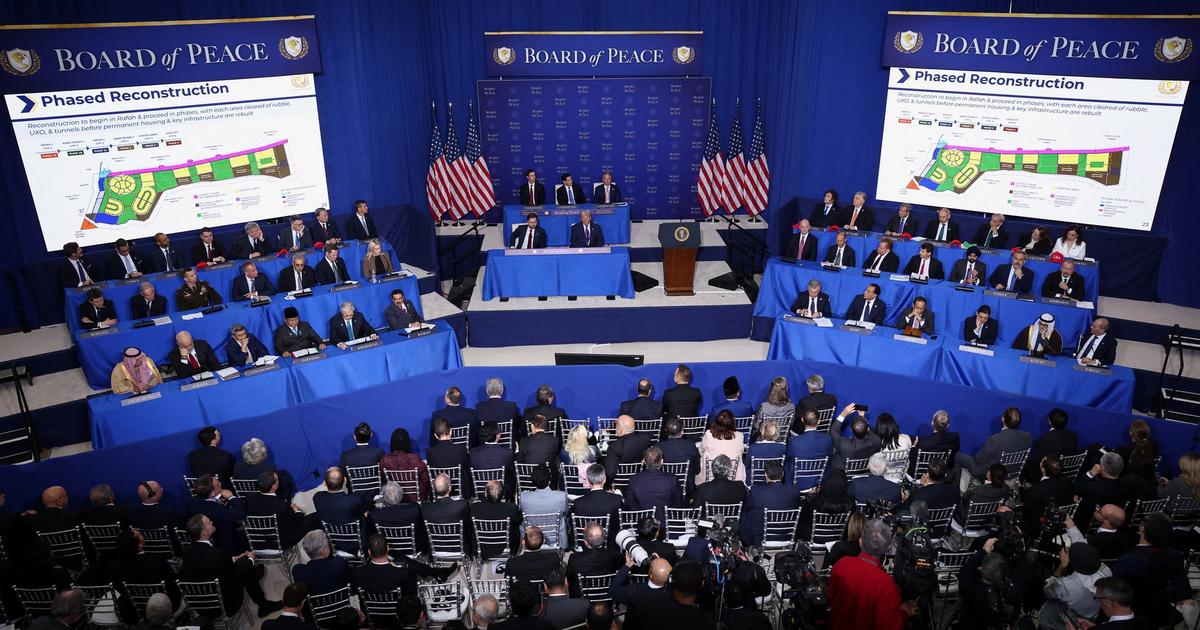
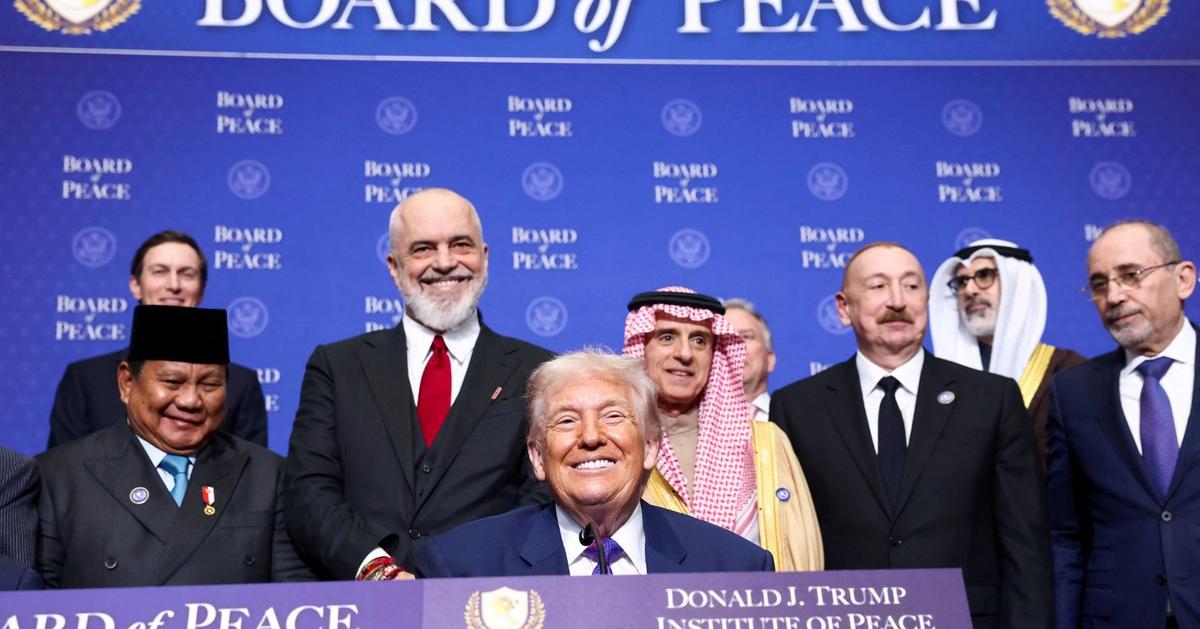
President Donald Trump announced the United States would contribute $10 billion to his Board of Peace at its first meeting in Washington.
The meeting focused on the next stage of a fragile ceasefire in Gaza and unveiled reconstruction and stabilization plans, Trump said.
Several close U.S. allies declined to join the Board of Peace, citing concerns it could sideline the United Nations, officials said.
Representatives from roughly more than two dozen to at least 40 countries attended, nine nations pledged a combined $7 billion and Indonesia, Morocco, Kazakhstan, Kosovo and Albania committed troops, officials said.
Trump warned Iran could face possible strikes and said a decision could come 'probably over the next 10 days,' and lawmakers said they will seek a vote next week to restrict the President's use of force.
Analysis
Center-leaning sources frame the meeting skeptically, emphasizing contradictions between Trump’s big pledges and unclear funding, and highlighting gaps with on-the-ground realities. Editorial choices use contrastive language ("big promises" vs "questions"), stress uncertainty about the $10 billion and UN tensions, and prioritize critical context over administration spin.
FAQ
The Board of Peace is an international body formed by President Trump to oversee Gaza's reconstruction, stabilization, and governance as part of Phase Two of his 20-point peace plan following the Israel-Hamas ceasefire.
The US pledged $10 billion; nine nations combined $7 billion; Saudi Arabia, Kuwait, and Qatar each $1 billion; UAE $2.5 billion; UN OCHA $2 billion; and FIFA $75 million.
Indonesia pledged 8,000 personnel (deputy commander); Morocco, Kazakhstan, Kosovo, and Albania also committed troops; Egypt and Jordan pledged police training support.
Several close US allies like the UK, Germany, Italy, Norway, and Switzerland declined, citing concerns that it could sideline the United Nations.

