Venezuela Amnesty Law Prompts 1,557 Applications
A new amnesty law prompted by a Jan. 3 U.S. raid on Nicolás Maduro has produced 1,557 applications and hundreds of releases while critics object to exclusions.
 BBC News
More than 1,500 Venezuelan political prisoners apply for amnesty

 Al Jazeera
Venezuela receives more than 1,500 amnesty requests under new law
 Associated Press
Opposition activists among 1,557 prisoners set for release under Venezuela's amnesty
 PBS NewsHour
Venezuela approves amnesty bill, paving way for release of hundreds of political detainees
Overview
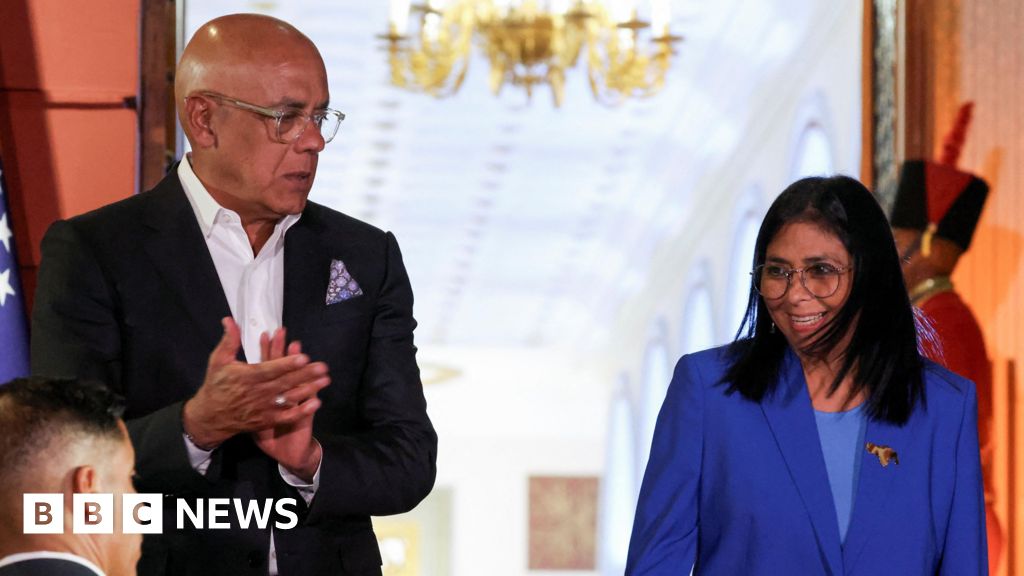
National Assembly leader Jorge Rodríguez said on Saturday that 1,557 people had applied for amnesty under a law adopted this week and that hundreds of detainees are already being released.
The legislation was pushed by Acting President Delcy Rodríguez after U.S. forces captured Nicolás Maduro in a Jan. 3 raid and aims to address politically motivated detentions since 1999, lawmakers said.
Human rights groups and opposition figures criticized the law's exclusions for offenses such as promoting foreign armed intervention, and Foro Penal president Alfredo Romero called those exclusions discriminatory and unconstitutional.
Prosecutors asked courts to free 379 people, officials said, and different tallies reported roughly 80 to 459 detainees freed so far, while authorities say the law ultimately could extend to 11,000 people.
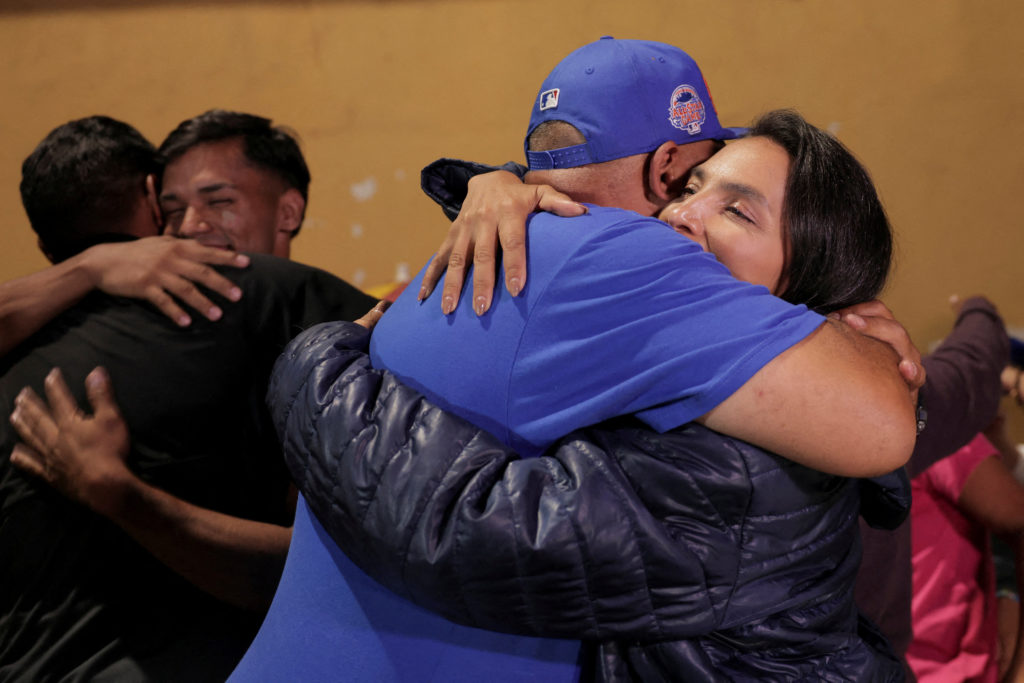
Amnesty is not automatic and petitioners must ask the courts for relief, officials said, and further releases could be granted within 15 days while relatives waited outside facilities such as Zona Seven of El Helicoide.
Analysis
Center-leaning sources present this coverage neutrally, balancing government statements about amnesty and release numbers with watchdog pushback and legal exclusions. For example, officials' claims of releases are reported alongside Foro Penal and human-rights groups calling exclusions discriminatory and noting slow, conditional releases, providing multiple perspectives without partisan language or evident editorializing.
FAQ
The law was prompted by a U.S. raid on January 3 that captured Nicolás Maduro, leading Acting President Delcy Rodríguez to push the legislation to address politically motivated detentions since 1999.
1,557 people applied for amnesty, prosecutors requested the release of 379, and reports indicate 80 to 459 detainees have been freed so far.
Critics, including human rights groups and opposition figures like Alfredo Romero of Foro Penal, object to exclusions for offenses like promoting foreign armed intervention and military personnel accused of rebellion, calling them discriminatory and unconstitutional.
The law covers 13 specific periods of political upheaval from 1999 to 2026, could extend to 11,000 people, but amnesty is not automatic—petitioners must apply to courts, with decisions possible within 15 days.
