FedEx Sues for Tariff Refunds After High Court Void
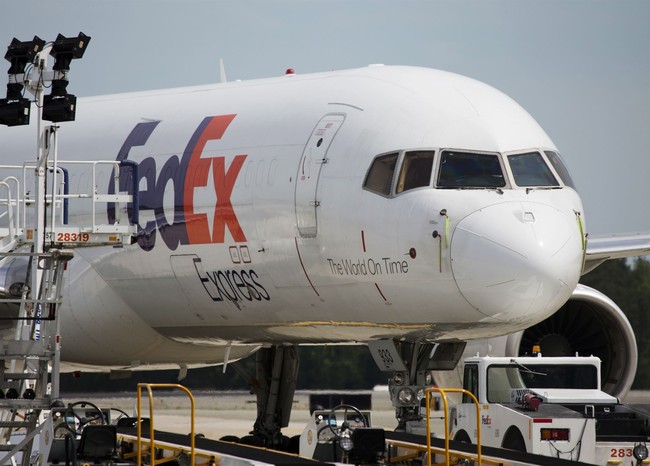
FedEx sued on Feb. 23 after a Feb. 20 Supreme Court ruling voided IEEPA tariffs, seeking refunds with interest that could spark years of litigation and political pressure for consumer payouts.

 USA TODAY
Tariff refund checks? Maybe not. But consumers could get money back.
 RedState
SCOTUS Ruling Causes Chaos — Now Shipping Giant Wants Billions in Refunds
 Townhall
FedEx Wants a Refund for Trump's Tariffs – an International Court Will Decide
 Salon
Salon"Cut the check": Lawmakers and companies demand refunds from Trump’s illegal tariffs
Overview
FedEx filed an 11‑page complaint on Feb. 23 in the U.S. Court of International Trade seeking a full refund of duties it paid under tariffs the Supreme Court struck down on Feb. 20.
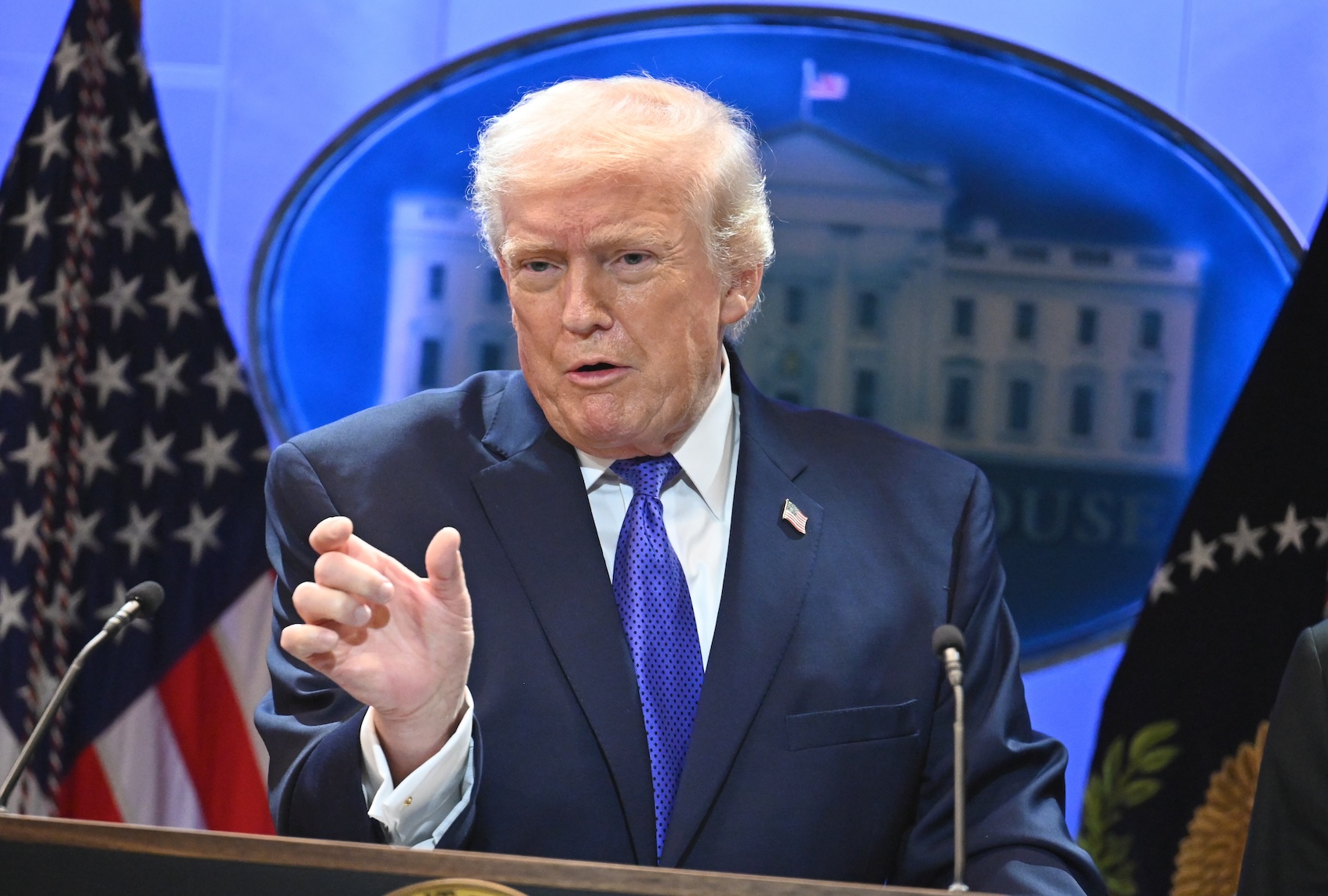
The Feb. 20 Supreme Court 6-3 ruling held that President Donald Trump exceeded his authority by imposing tariffs under the International Emergency Economic Powers Act, Chief Justice John Roberts wrote in the opinion.
Companies including Costco, Revlon and Goodyear and more than 1,000 corporations had already challenged the levies, and governors Gavin Newsom and JB Pritzker have publicly demanded refunds to families and businesses.
Federal data show Treasury collected roughly $130 to $133 billion from the tariffs as of December, and a Feb. 23 Tax Foundation report estimated the levies equated to about $1,000 per American household in 2025.
FedEx asked the Court of International Trade to order Customs and Border Protection to refund duties with interest, but experts say consumers lack a direct legal claim and reimbursements could require years of litigation or congressional action.
Analysis
Center-leaning sources frame the story as a legal-financial issue with political stakes, emphasizing the Supreme Court ruling, the $130 billion revenue figure, and potential costs to the administration. Editorial choices highlight Democratic calls as politically opportunistic (Bloomberg's 'populist election-year campaign') while spotlighting corporate and legal actions over affected consumers.
FAQ
The Supreme Court ruled 6-3 in Learning Resources, Inc. v. Trump on February 20 that while the International Emergency Economic Powers Act gives the president broad authority to regulate economic transactions during national emergencies, that power does not extend to the imposition of duties or tariffs[3]. Chief Justice John Roberts wrote the opinion establishing that Congress, not the president, holds the constitutional power to impose duties unless lawmakers clearly delegate that authority[3].
Federal data show the Treasury collected roughly $130 to $133 billion from IEEPA tariffs as of December 2025, with estimates suggesting the levies equated to about $1,000 per American household in 2025[1]. Overall, tariffs brought in an estimated $179 billion in total receipts under IEEPA[2].
FedEx is asking the U.S. Court of International Trade to force U.S. Customs and Border Protection to reliquidate past entries that included illegal tariffs, process all current unliquidated entries without IEEPA duties, and issue full refunds for all collected tariffs plus interest[2]. The company seeks to protect its rights as an importer of record to recover the millions of dollars it paid under the now-voided tariffs[3].
Yes, numerous companies including Costco, Revlon, Bumble Bee Foods, and more than 1,000 other corporations have filed or are expected to file similar lawsuits[1]. However, experts note that consumers lack a direct legal claim and reimbursements could require years of litigation or congressional action[1]. Justice Brett Kavanaugh warned in a dissenting opinion that the refund process is likely to be a 'mess,' as the Supreme Court ruling provided no guidance on how the government should return the billions of dollars collected[1].
Yes, shortly after the Supreme Court's February 20 ruling striking down IEEPA tariffs, President Trump announced new 10% tariffs globally under a different authority (§122), and increased them to 15% the following day[2]. This indicates the administration moved forward with tariffs under alternative legal justifications rather than the IEEPA authority that was voided[2].