Former ICE Instructor Says Training Cuts Threaten Public Safety
Ryan Schwank testified that ICE cut roughly 240 training hours and alleged orders to teach warrantless home entries, prompting congressional oversight and DHS denials.
 PBS NewsHour
WATCH: Whistleblower and former ICE attorney calls agent training 'deficient, defective and broke'
 Reason
ICE whistleblower says training is 'deficient, defective, and broken'
 Daily Beast
Instructor Drops Shocking Testimony Accusing ICE of Lies

 CNN
CNNICE officer training is ‘deficient’ and ‘broken,’ former agency lawyer tells congressional forum | CNN
Overview
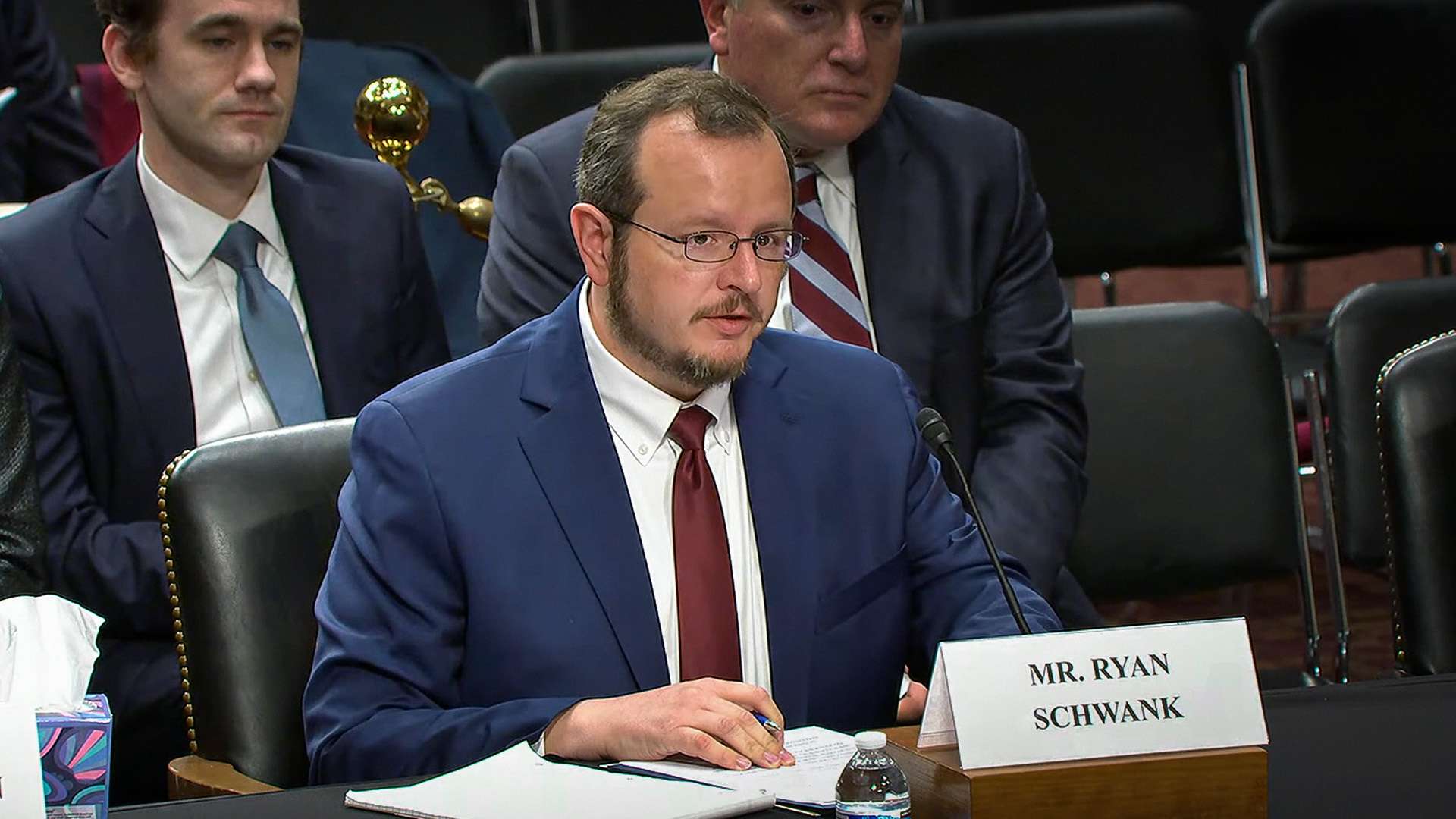
Ryan Schwank testified on Feb. 23, 2026, that ICE's training program is 'deficient, defective, and broken' and warned deficient training 'can and will get people killed.'
Schwank resigned on Feb. 13, 2026, after volunteering to train recruits during an ICE push to hire 10,000 new personnel and spoke at a hearing about a leaked memo on warrantless entries.
DHS and Acting ICE Director Todd Lyons said the training timeline was shortened without cutting curriculum, and Deputy Assistant Secretary Lauren Bis said recruits receive 56 days of training plus an average 28 days of on-the-job training.
Documents Schwank provided and Democratic staff analysis say program hours fell from roughly 580–584 to roughly 340–344, a reduction of about 240 hours, and calendar days were shortened from roughly 72–75 to 42.
DHS said it plans to train an additional 12,000 officers in 2026 as lawmakers including Sen. Richard Blumenthal and Rep. Robert Garcia continue oversight and have released documents for review.
Analysis
Center-leaning sources frame the story critically by foregrounding whistleblower allegations and Democratic oversight. Source content includes charged quotes such as 'deficient, defective, and broken.' Editorial choices — emphatic ledes, selection of critics over defenders, highlighted testimony, and a normative closing calling for congressional oversight — cumulatively push a skeptical narrative toward ICE.
FAQ
According to whistleblower Ryan Schwank and Democratic staff analysis, ICE reduced training program hours from approximately 580-584 hours to 340-344 hours—a reduction of roughly 240 hours[1]. The Brookings Institution reports that the ICE Academy was reduced from 22 weeks to 8 weeks or 47 days, with previously required 5 weeks of Spanish language training removed, and agents now relying on mobile apps for translation[3]. DHS counters that training was streamlined to cut redundancy and incorporate technological advancements without cutting subject matter content, and that candidates still learn required elements including use-of-force policy, safe arrest techniques, and de-escalation[1].
ICE has more than doubled its workforce from 10,000 when Trump took office to over 22,000 officers and agents as of January 2026[2]. The agency hired over 12,000 new agents in the past year and plans to train an additional 12,000 officers in 2026[3]. As of January 29, 2026, ICE had graduated 803 new officers and projected 3,204 more graduates by the end of the fiscal year[1].
The Brookings Institution reports that ICE has lowered recruit age limits from 21 to 18 and waived the 37-year-old hiring cap, and there are reports of decreased rigor in selection, including cases where candidates were hired after six minutes without completing background paperwork[3]. The training reduction is particularly concerning because newly hired officers receive less training but are being quickly deployed into U.S. communities[3]. Investigative journalism and legal experts have raised questions about whether qualifications are sufficient given the compressed training timeline[3].
DHS states that no training requirements have been removed and that new recruits receive 56 days of formal training plus an average of 28 days of on-the-job training[1]. Acting ICE Director Todd Lyons testified that while training days were reduced from 75 to 42, the agency increased from five eight-hour days per week to six 12-hour days per week to maintain training effectiveness[1]. DHS claims training was streamlined to cut redundancy and incorporate technological advancements without reducing subject matter content, and that the majority of new hires are experienced law enforcement officers who have already completed police academy training[1].
Lawmakers including Sen. Richard Blumenthal, Rep. Robert Garcia, and Sen. Catherine Cortez Masto are continuing oversight and have released documents for review[1]. Schwank testified before Congress on February 23, 2026, about the training cuts and leaked memos allegedly showing orders to teach warrantless home entries[1]. Congressional scrutiny has intensified following incidents such as a fatal shooting by an ICE officer in Minneapolis on January 7, which brought additional attention to training standards and officer qualifications[4].