Spanberger Rebukes Trump in State of the Union Response
Virginia Gov. Abigail Spanberger delivered the Democratic response, criticizing tariffs, immigration raids and alleged corruption and saying tariffs cost families more than $1,700, while the White House pushed back.

 TIME Magazine
Spanberger's Blunt Rebuke to Trump's State of the Union

 Daily Caller
High Tax Blue State Democrat Talks Big Game On 'Affordability' In Trump Response
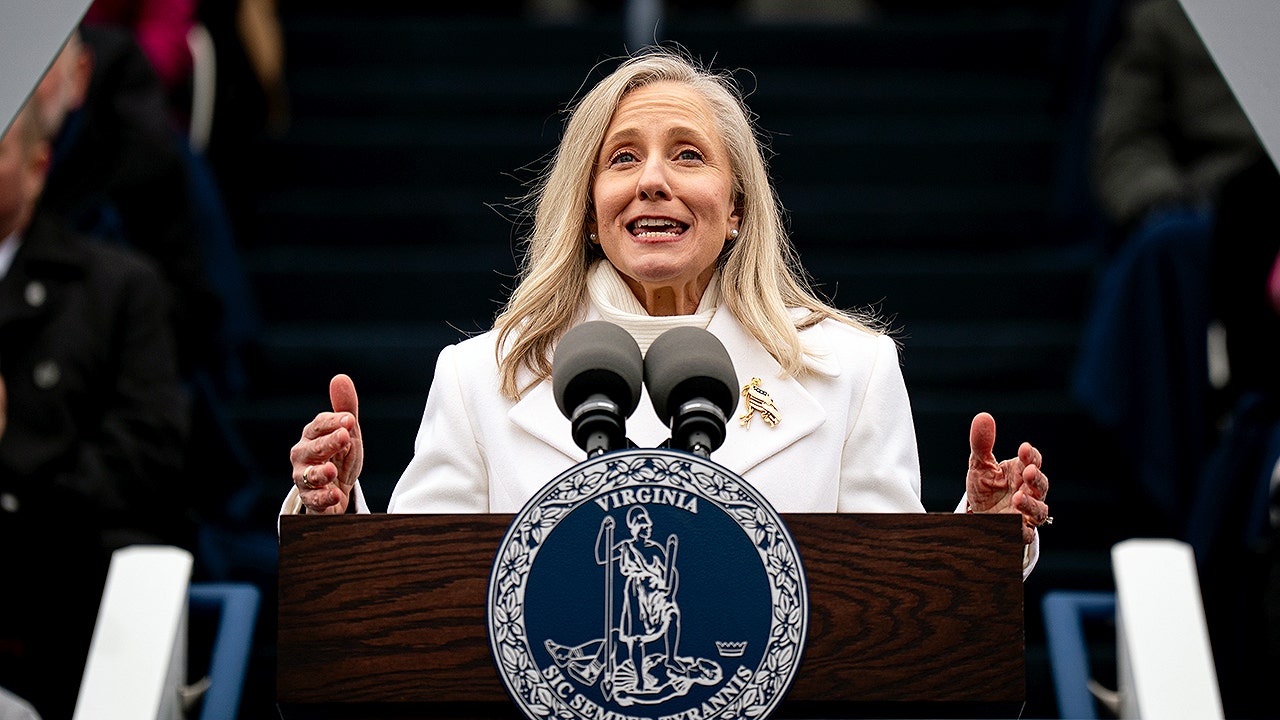
 FOX News
Spanberger slams Trump on ‘affordability’ in SOTU response — as Virginia Democrats push new taxes
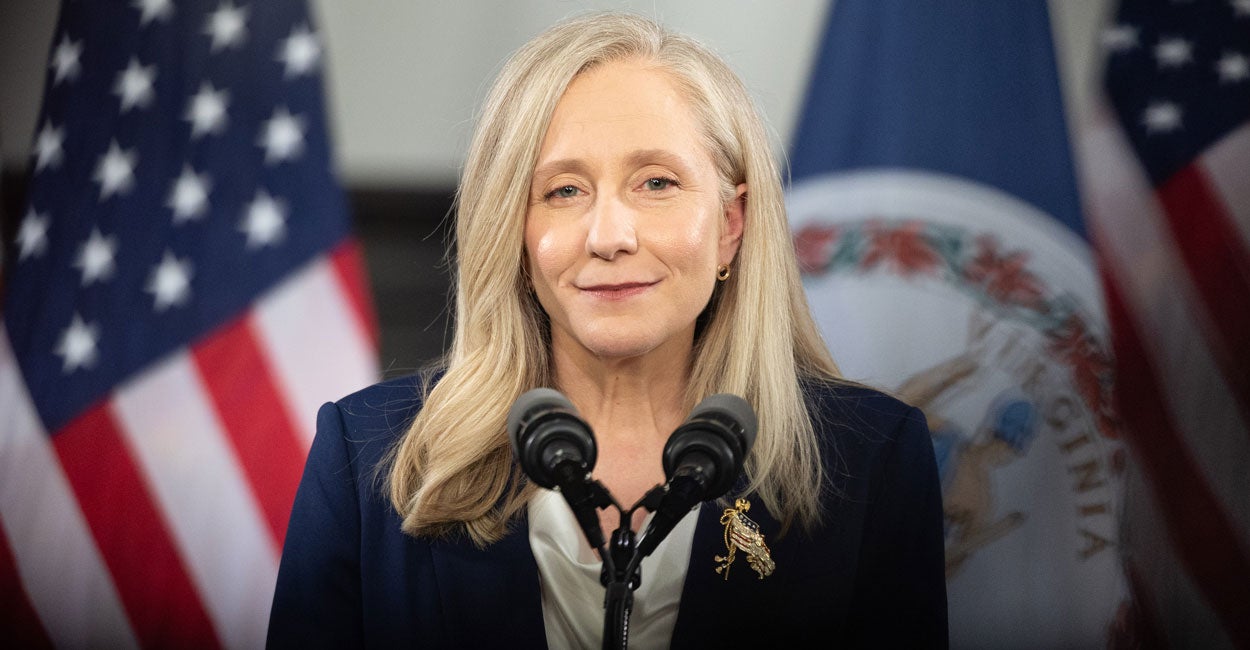
 Daily Signal
Abigail Spanberger Poses 3 Questions in Democrat Rebuttal to Trump
Overview
Virginia Gov. Abigail Spanberger delivered the Democratic rebuttal to President Donald Trump’s State of the Union, sharply criticizing his record on affordability, immigration enforcement and alleged corruption.
Spanberger framed her roughly 12- to 13-minute response around direct questions about affordability and safety, contrasting those questions with Trump’s portrayal of a flourishing nation.
The White House’s RapidResponse47 account and House GOP pushed back during Spanberger’s remarks, while Democrats held multiple counterprogramming events including a Spanish-language response by Sen. Alex Padilla.
Spanberger said tariffs cost families more than $1,700, she won Virginia by 15 points and 57.6% of the vote in November 2025, and Virginia Democrats have proposed roughly 50 new taxes in recent weeks.
Spanberger and other Democrats said they will make affordability a central message heading into the 2026 midterms, with organizers citing her Virginia victory as a model.
Analysis
Center-leaning sources frame the coverage by foregrounding the Democratic rebuttal and emphasizing affordability and immigration critiques through selective sourcing and placement. Editorial choices—highlighting Spanberger’s sharp lines, amplifying party leaders’ condemnatory statements, and contextualizing ICE-related deaths—create a skeptical narrative while GOP/White House responses are underemphasized.
FAQ
The search results indicate that Spanberger criticized Trump's tariff plans during her response, stating that tariffs cost families more than $1,700[5]. However, the search results do not provide specific details about which tariff policies she was referencing or the methodology behind this figure. To fully understand which tariffs she was discussing and how this cost was calculated, additional reporting on her complete remarks or official Democratic Party statements would be necessary.
Democratic leaders selected Spanberger because her 2025 Virginia gubernatorial campaign is viewed by party strategists as a blueprint for Democratic victories[5]. As Virginia's first female governor elected in November 2025 with 57.6% of the vote, Spanberger brought credibility on affordability issues—her campaign's central focus[5]. Her team believed this track record gave her particular authority to respond to Trump on economic matters heading into the 2026 midterms[5].
CBS News fact-checked Trump's address and identified several problematic claims, including: a claim that members of the Somali community "pillaged an estimated $19 billion from the American taxpayer," which was rated misleading; claims about the SAVE AMERICA Act stopping illegal alien voting that were rated false; a claim that Democrats refusing to fund the Department of Homeland Security meant "nobody's getting paid," rated misleading; and a claim that the Biden administration gave the country "the worst inflation in the history of our country," rated false[1].
Spanberger and other Democrats plan to make affordability a central message heading into the 2026 midterms, with party strategizers citing her Virginia victory as a model for future Democratic campaigns[5]. Multiple Democratic lawmakers at competing counter-programming events echoed the affordability template, indicating this will be a coordinated messaging strategy across the party[5]. Spanberger's campaign success demonstrated that focusing on problems that "keep [Americans] up at night"—such as where to live, starting a business, and affording prescriptions—resonates with voters[5].
Yes, Democrats held multiple counterprogramming events with various responses, including a Spanish-language response by Senator Alex Padilla[5]. Democratic groups staged competing counter-programming events that reflected divisions within the party over how to best approach the midterms[5]. Spanberger's team built a "war room" to boost her response on social media, and while they insisted she wasn't competing with other counter-programming, several other Democratic lawmakers with potential presidential ambitions, such as Senator Ruben Gallego and Senator Chris Murphy, also delivered speeches at these alternative events[5].
