House Rejects ROTOR Act After Pentagon Pulls Support
House voted 264-133 against the ROTOR Act after the Defense Department withdrew support, delaying a Senate-backed measure meant to expand ADS-B In aircraft locator systems after a Jan. 29, 2025 midair collision.

 Military Times
House rejects bill requiring aircraft locator systems to prevent midair collisions like last year’s
 NBC News
House rejects air safety bill as families of deadliest U.S. crash in 25 years look on

 NPR
NPRU.S. House rejects aviation safety bill after Pentagon abruptly withdraws support

 Roll Call
Senate aviation safety bill rejected by House
Overview
The House rejected the ROTOR Act 264-133, falling short of the two-thirds threshold under suspension of the rules after the Defense Department withdrew support on Monday.
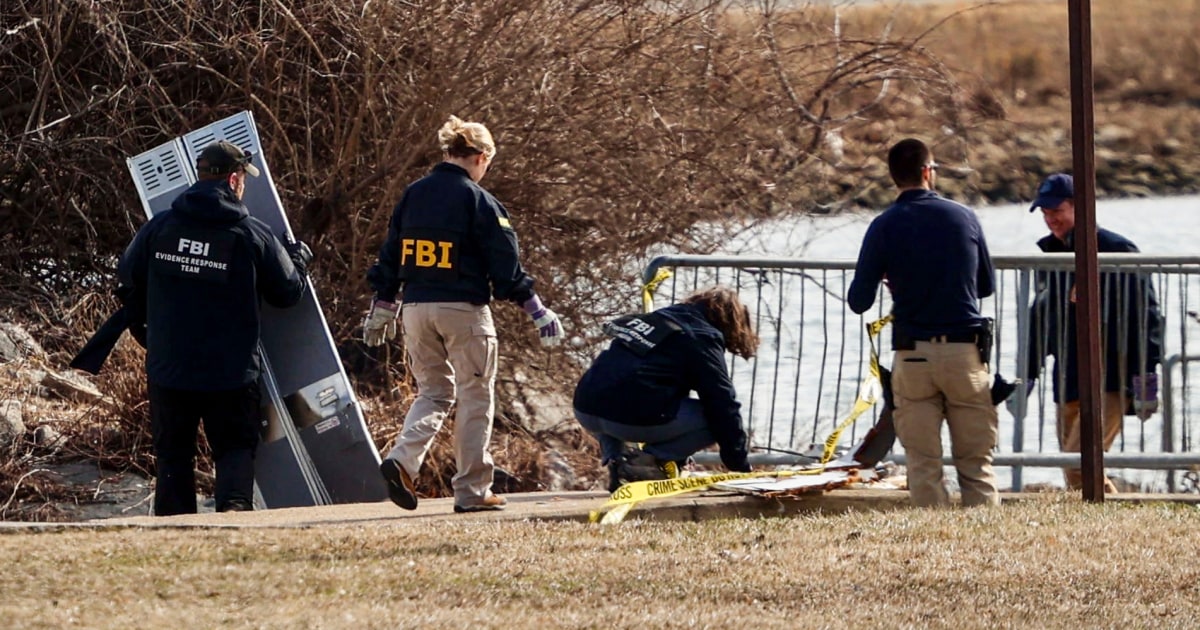
The 67-person midair collision near Reagan National Airport on Jan. 29, 2025 prompted the Senate to pass the ROTOR Act and spurred competing House legislation.
Families of Flight 5342 and NTSB Chair Jennifer Homendy backed the ROTOR Act, while Pentagon spokesman Sean Parnell and House leaders including Sam Graves and Mike Rogers raised national security and procedural concerns.
The Senate passed the ROTOR Act unanimously in December, but roughly 132 to 133 House Republicans opposed the measure and Speaker Mike Johnson and the GOP leadership team voted against it.
House Transportation Committee Chairman Sam Graves pledged to mark up the House's ALERT Act as soon as next week while Senate sponsor Sen. Ted Cruz vowed to keep pressing for the ROTOR Act.
Analysis
Center-leaning sources frame the vote as a failure to act on a clear aviation safety fix by emphasizing grieving families, NTSB warnings and bipartisan Senate momentum while foregrounding terms like loopholes and falls short. Editorial choices prioritize emotional testimony and regulatory urgency; quoted family anger and industry objections remain source content.
FAQ
The ROTOR Act, or Rotorcraft Operations Transparency and Oversight Reform Act, requires all aircraft, including military, to equip with ADS-B In technology for better location tracking, closes military exemptions for ADS-B Out, enhances helicopter oversight near airports, and mandates studies on airspace improvements around Reagan National Airport.[1]
The House voted 264-133 against the ROTOR Act, failing the two-thirds threshold under suspension of the rules, primarily after the Pentagon withdrew support due to national security concerns about tracking military aircraft.[4]
On January 29, 2025, American Airlines Flight 5342 collided midair with a U.S. Army UH-60 Black Hawk helicopter near Reagan National Airport, killing 67 people and prompting safety legislation.
The ALERT Act, advanced by House Republicans including Chairman Sam Graves, is a competing bill that makes fewer demands on aircraft operators, focuses on NTSB recommendations without mandating universal ADS-B adoption, and is set for markup soon.
Supporters include Sen. Ted Cruz, victims' families, NTSB Chair Jennifer Homendy, and American Airlines; opponents include the Pentagon, House GOP leadership like Speaker Mike Johnson, Sam Graves, and Mike Rogers citing security and procedural issues.

