Trump Vows Legal Fight After Supreme Court Voids Tariffs
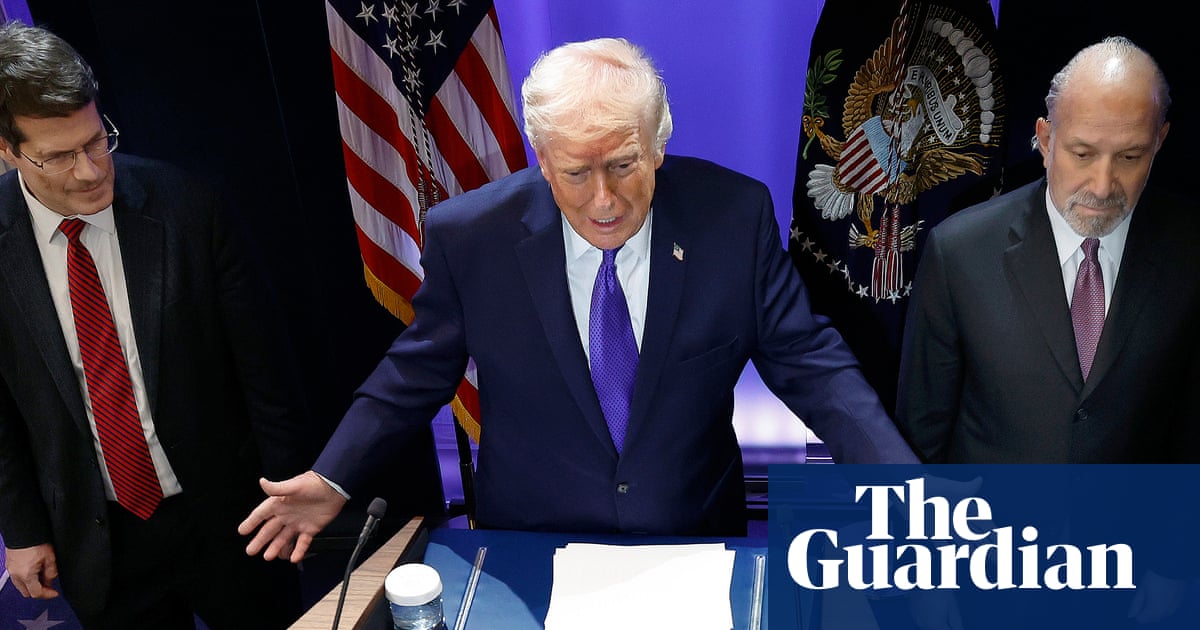
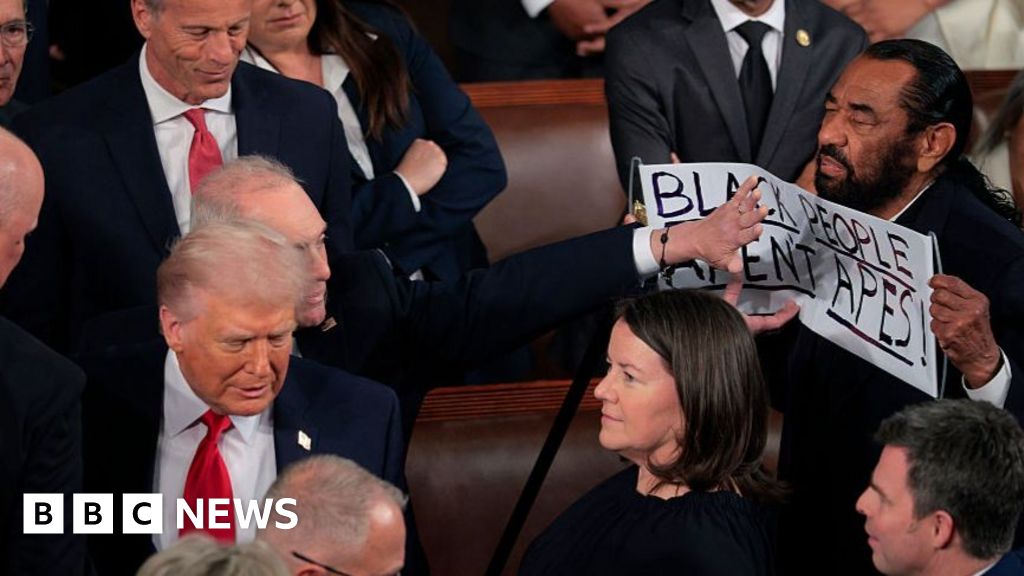
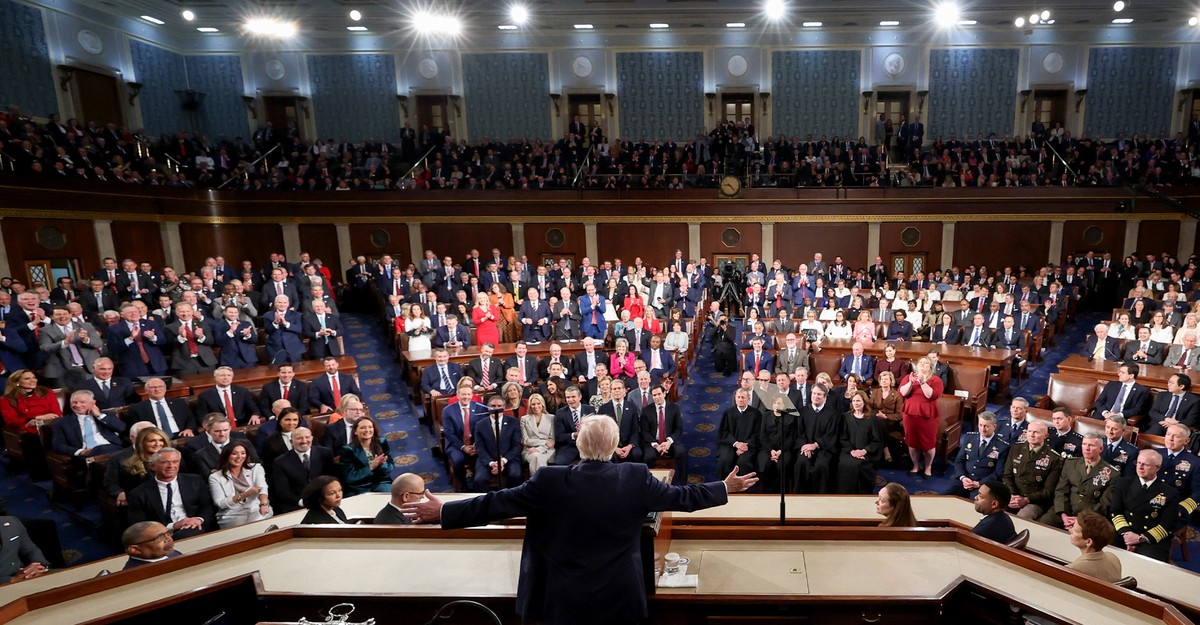
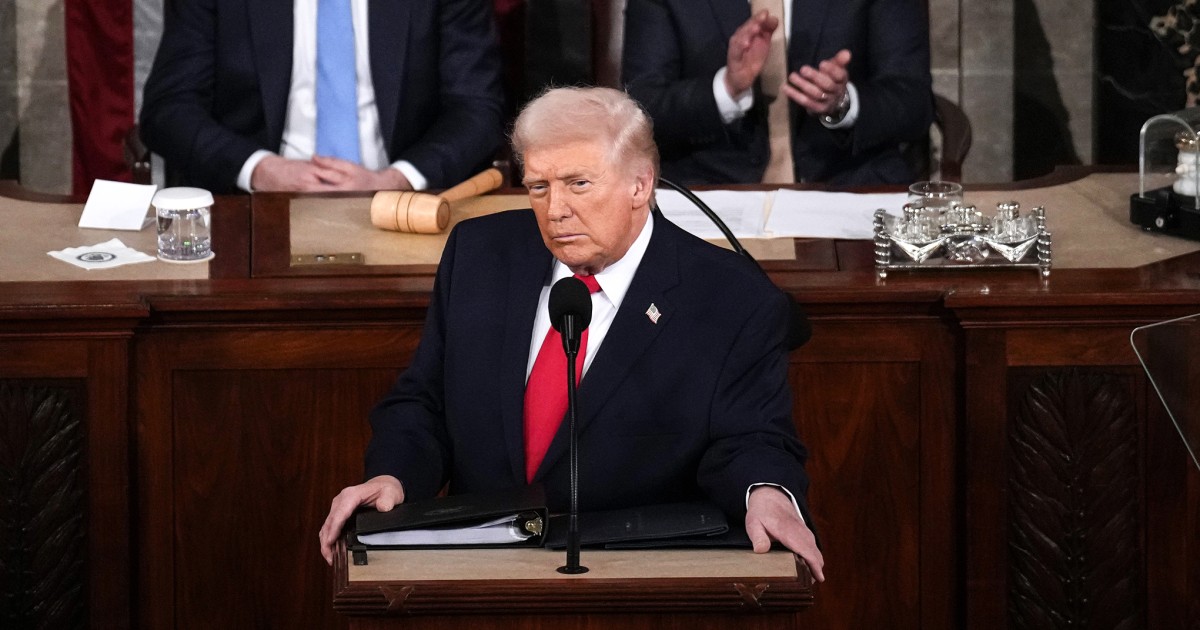
At the State of the Union on Feb. 24, President Trump called the Supreme Court’s 6-3 decision overturning his IEEPA tariffs “unfortunate” and said he would pursue alternate legal measures.




Overview
On Feb. 24 President Donald Trump called the Supreme Court’s 6-3 ruling striking his tariffs "very unfortunate" and said he would pursue new legal and administrative steps to preserve the duties.
The Supreme Court ruled 6-3 that the International Emergency Economic Powers Act does not authorize the president to impose sweeping tariffs, in an opinion written by Chief Justice John Roberts.
After the ruling the administration announced a 10% global tariff under the Trade Act’s Section 122 and then raised it to 15%, and officials said they would pursue other legal authorities to keep duties in place.
Tariffs produced about $30.4 billion in duties in January and roughly $124 to $129 billion so far this fiscal year, and companies have begun litigating for refunds worth nearly $2 billion, officials and filings show.
The administration and affected businesses face ongoing litigation and new legal and congressional tests as officials pursue tariff measures ahead of the midterm elections in November.
Analysis
Center-leaning sources frame the story as Trump avoiding confrontation and portray his tariff policy as a political and economic setback. They use evaluative language ("steered clear," "stony-faced"), emphasize optics and prior attacks, and foreground economists' analyses and polls to highlight economic burden and public disapproval.
FAQ
The Supreme Court ruled 6-3 that the International Emergency Economic Powers Act (IEEPA) does not authorize the president to impose sweeping tariffs, striking down tariffs on imports from Canada, China, Mexico, and globally.
