Trump Pushes SAVE Act as Senate Balks at Talking Filibuster
Trump urged passage of the SAVE America Act on Feb. 24 while Senate Republicans debate a talking filibuster and legal scholars question the bill's constitutionality.

 Townhall
Joy Behar Thinks the SAVE Act Will Help Republicans Cheat in November
 Daily Signal
‘Complex’: Senators Say Passing SAVE America Act Will Be a Challenge

 USA TODAY
Trump pushes 'country-saving' voter ID bill. Here's why Dems oppose it

 Roll Call
Push for a ‘talking filibuster’ stalls in Senate GOP conference
Overview
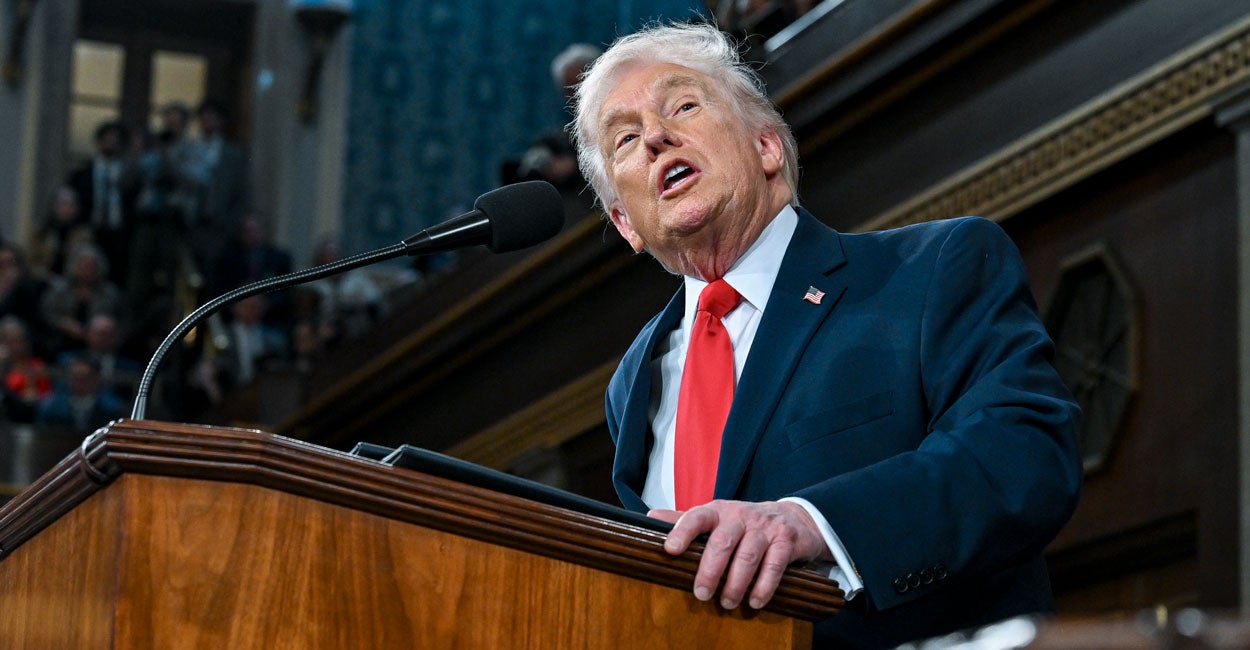
President Donald Trump on Feb. 24 urged Senate Majority Leader John Thune to approve the SAVE America Act, calling it "country-saving" and demanding strict voter ID and proof-of-citizenship rules.
The bill, which the House approved on Feb. 11, would require documentary proof of U.S. citizenship to register and photo ID to vote, and would need 60 votes for cloture in the Senate.
A small group of Senate Republicans led by Mike Lee and backed by Ron Johnson supports forcing a talking filibuster, while Thune and many GOP senators warned it could consume months of floor time.
Eighty conservative organizations signed a Feb. 23 letter urging Thune to bring the bill to the floor, while House Republicans and MAGA-aligned activists including Rep. Derrick Van Orden and Scott Presler pressed for action.
Legal scholars called the bill constitutionally dubious and warned of disenfranchisement risks, and Thune told Fox on Feb. 25 he supports a vote but said reopening the government is the immediate priority.
Analysis
Center-leaning sources frame the talking filibuster push as driven by a small, outside pressure campaign and as operationally impractical, emphasizing Senate leaders’ reluctance and institutional costs. They foreground MAGA influencers and hardline House voices while privileging senators’ warnings about months-long floor occupation and procedural norms to undercut the proposal’s credibility.
FAQ
The SAVE America Act requires documentary proof of U.S. citizenship, such as a passport or birth certificate, to register to vote, and photo ID to vote. It would limit registration to in-person with election officials and mandate voter roll purges.[2]
Opponents argue it is unconstitutional, acts like a poll tax, risks disenfranchising millions of eligible voters (e.g., 21 million without documents, women with name changes, low-income, and minority voters), and imposes burdens on election officials without funding.[1][2]
The bill passed the House on February 11, 2026, and is now in Senate committee. It requires 60 votes for cloture in the Senate, facing resistance from some Republicans favoring a talking filibuster.[8]
Supporters, including Trump and 80 conservative organizations, claim it saves the country by preventing non-citizen voting through strict voter ID and citizenship proof, amid unproven fraud concerns.[1]