U.S. Imposes Sanctions Targeting Iran's Missiles, Drones and Oil
Treasury blacklists 30 people, companies and ships over ballistic missile program, drone production and illicit oil sales ahead of Geneva nuclear talks.



Overview
The Trump administration on Wednesday imposed sanctions on 30 people, companies and ships accused of enabling Iran's ballistic missile program, drone production and illicit oil sales.
The move comes as U.S. officials, including envoy Steve Witkoff, are scheduled to meet Iranian negotiators in Geneva on Thursday with Oman serving as mediator.
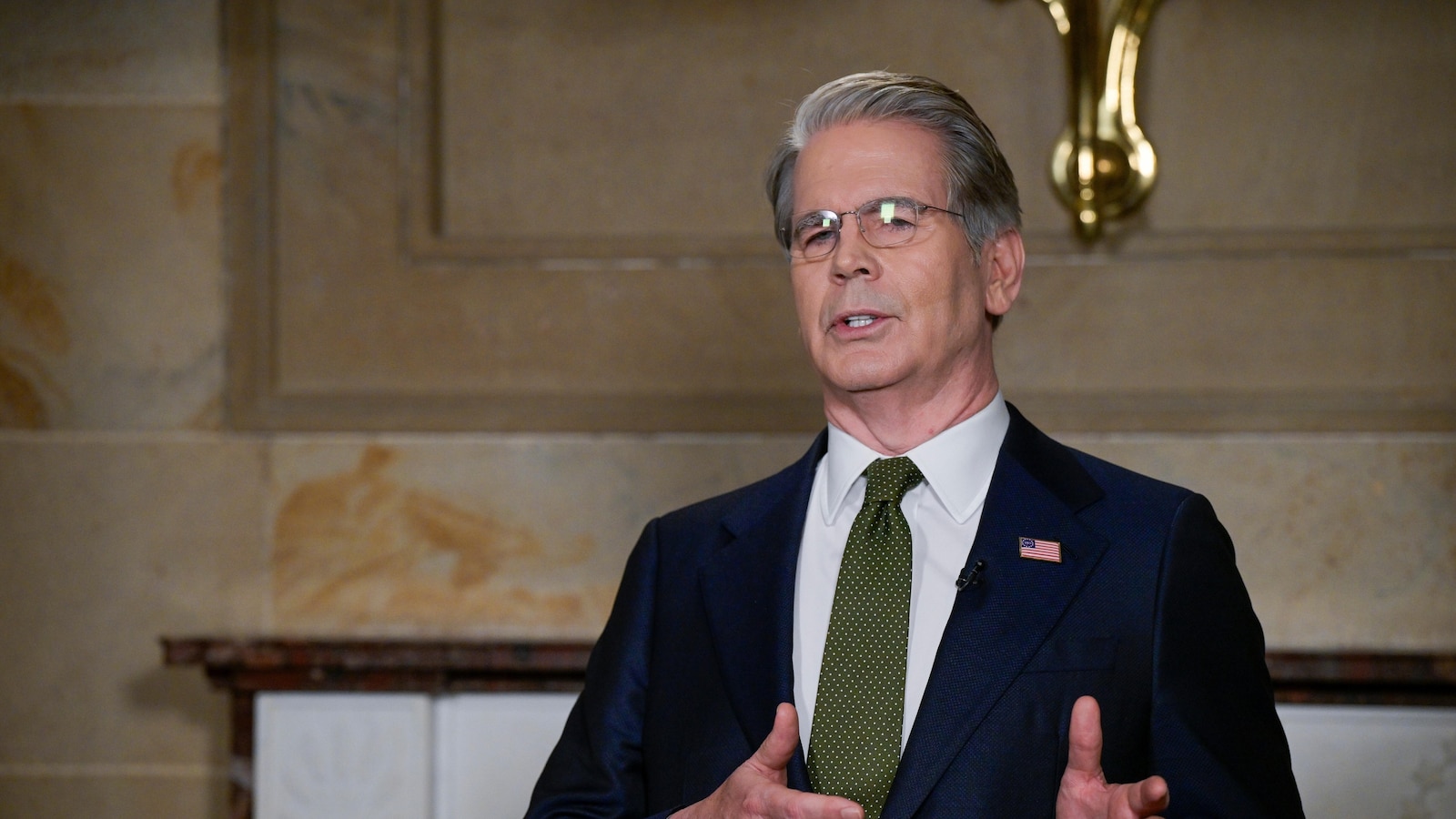
Treasury Secretary Scott Bessent said Treasury will "continue to put maximum pressure on Iran" to target the regime's weapons capabilities and support for terrorism.
Sanctions name Qods Aviation Industries, include nine people and companies in Iran, Turkey and the UAE tied to the IRGC, and ships Treasury called part of Iran's "shadow fleet" that moved "hundreds of millions."
U.S. officials are scheduled to hold another round of nuclear talks in Geneva on Thursday, and the administration said the measures are part of a maximum pressure campaign to curb Iran's weapons programs.
Analysis
Center-leaning sources present the measures factually, attribute evaluative language to officials, and include both U.S. rationale and Iran's denials. They emphasize sanctions' mechanics (shadow fleet, drone firms) and convey context (military buildup, talks via Oman) while avoiding inflammatory editorializing and relying on official statements.
FAQ
The U.S. Treasury sanctioned over 30 individuals, companies, and vessels, including Qods Aviation Industries, entities in Iran, Turkey, and the UAE linked to the IRGC, and ships like the Panama-flagged HOOT and Barbados-flagged OCEAN KOI part of Iran's shadow fleet.
The sanctions are part of the Trump administration's maximum pressure campaign to curb Iran's ballistic missile program, drone production, illicit oil sales, weapons capabilities, and support for terrorism, ahead of the third round of talks in Geneva mediated by Oman.
Iran's shadow fleet consists of vessels, such as the HOOT and OCEAN KOI, used to transport sanctioned Iranian petroleum products like oil, fuel oil, and liquefied petroleum gas to foreign markets, evading sanctions and generating revenue for weapons and terrorism.
The U.S. demands that Iran transfer its remaining 400 kg of enriched uranium, halt nuclear weapons development, restrict its ballistic missile program, and end support for groups like Hezbollah, Hamas, and the Houthis.