Maduro Moves To Dismiss U.S. Indictment Over Blocked Legal Fees
Lawyer says OFAC rescinded Jan. 9 license allowing Venezuela to pay legal fees, prompting a motion to dismiss and raising due-process and foreign-policy questions.
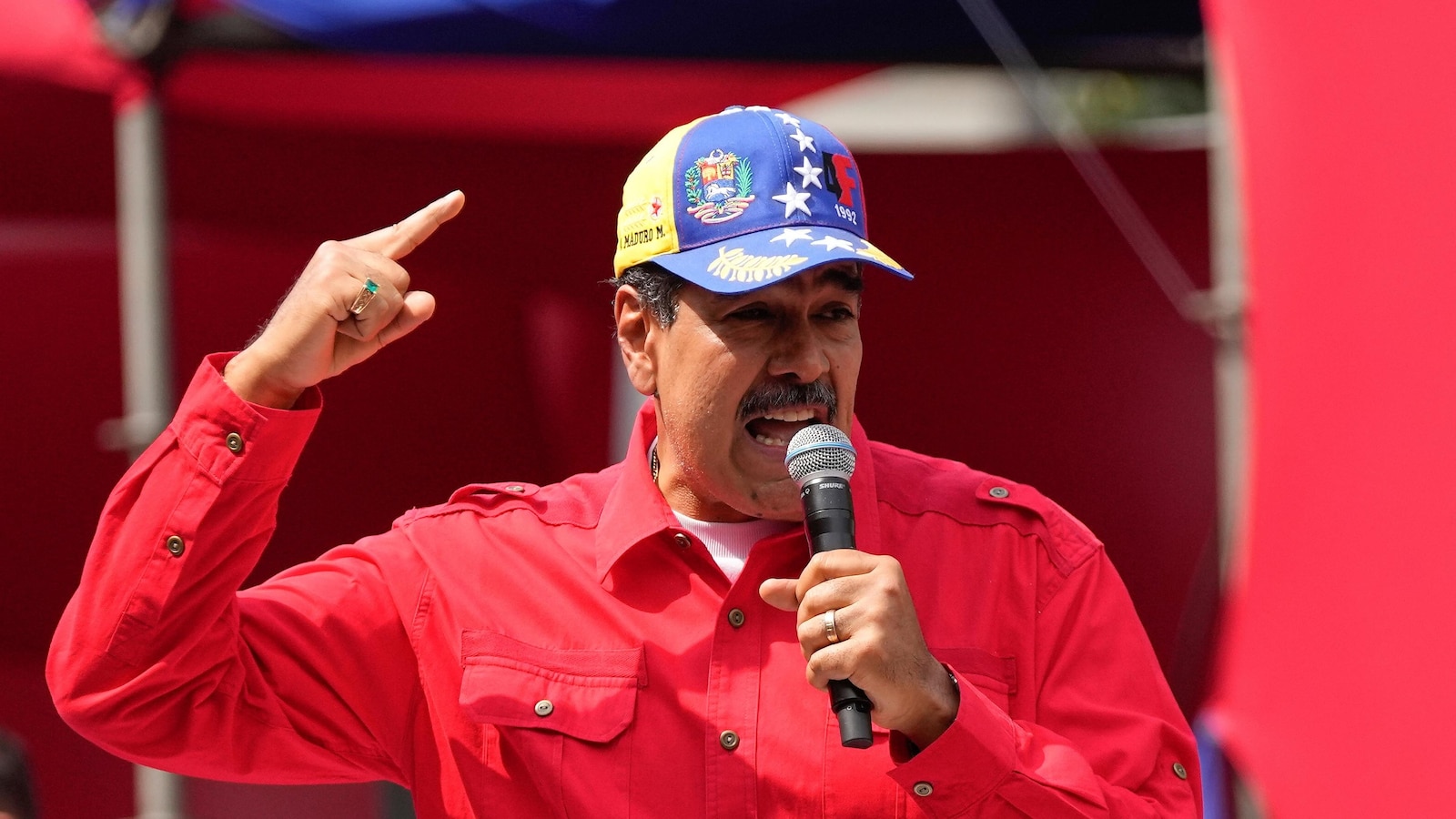
 ABC News
Deposed Venezuelan Pres. Maduro asks judge to toss out indictment against him
 Associated Press
Deposed Venezuelan President Nicolas Maduro asks judge to toss out indictment against him
 Newsmax
Maduro Asks Judge to Toss Indictment Against Him
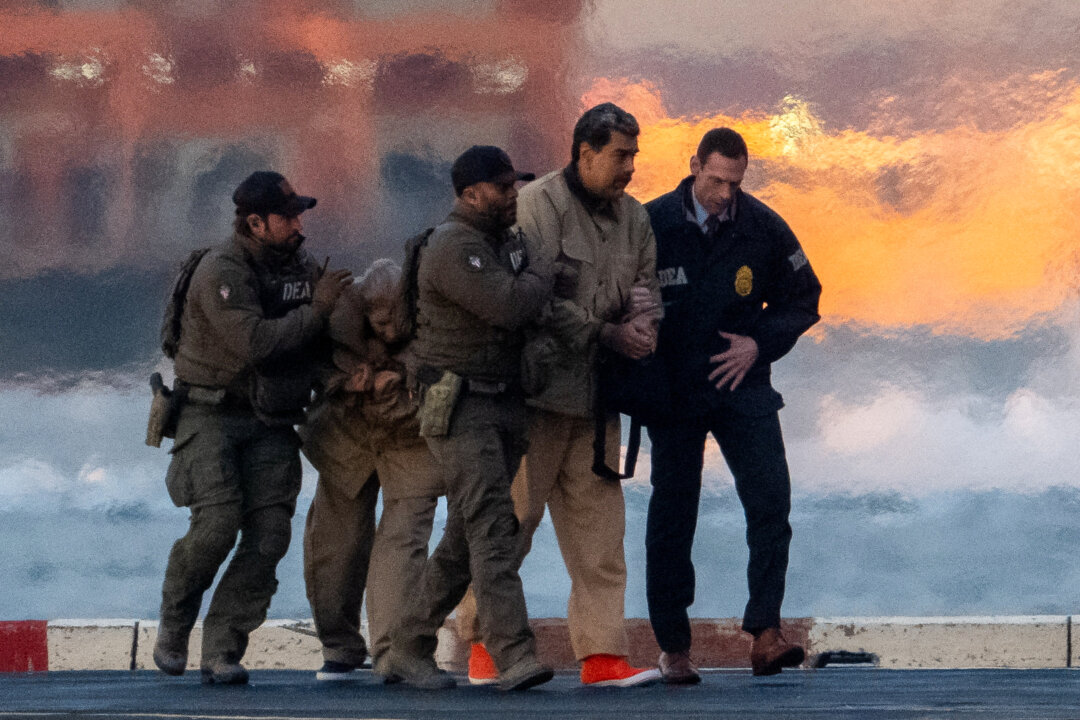
 Epoch Times
US Blocking Venezuela’s Payment of Maduro’s Legal Fees, Lawyer Claims
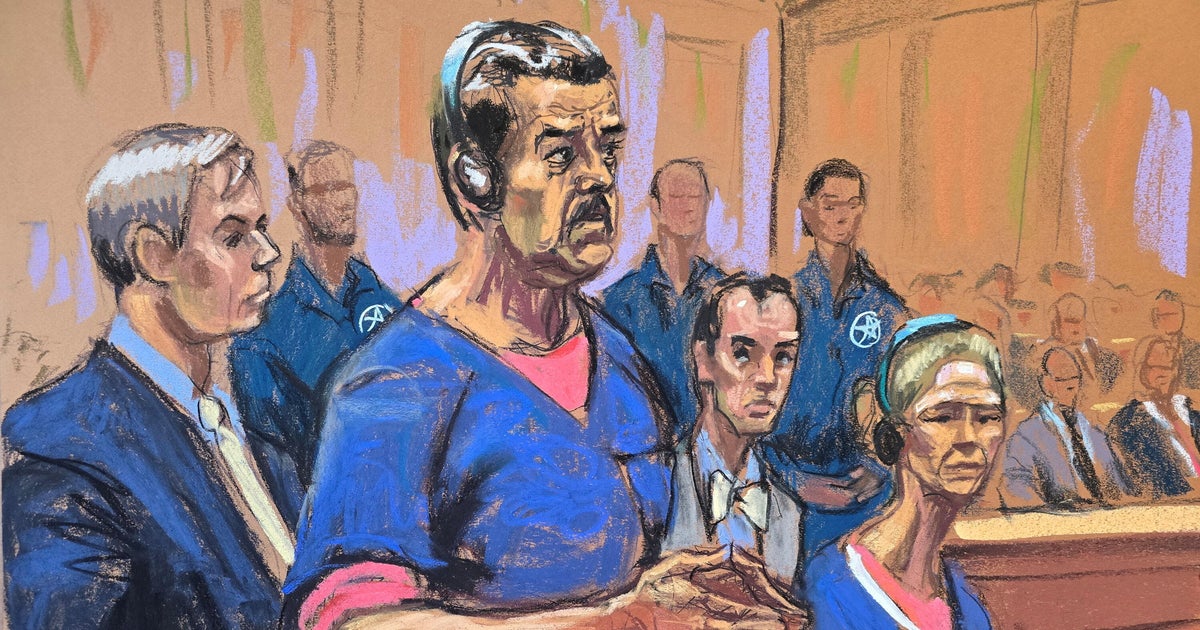
 CBS News
Maduro's lawyer says U.S. blocking Venezuelan government from paying ousted leader's legal fees
Overview
Barry Pollack filed papers in Manhattan federal court on Thursday asking a judge to toss the indictment, saying the U.S. blocked Venezuelan funds needed to pay Nicolas Maduro's legal fees.
Pollack said the Treasury Department's Office of Foreign Assets Control granted permission on Jan. 9 to allow Venezuela to pay legal fees but rescinded the authorization less than three hours later.
Pollack told the court he will resign if the judge leaves the charges in place so the court can appoint other counsel to represent Maduro.
A 25-page indictment accuses Maduro of working with drug cartels and members of the military to facilitate shipments of thousands of tons of cocaine into the U.S., and it says he and his wife face life in prison if convicted.
Maduro is scheduled to return to federal court for a hearing on March 17, and Pollack said he asked OFAC on Feb. 11 to reinstate the original license allowing Venezuela to pay his legal fees.
Analysis
Center-leaning sources frame the story to emphasize U.S. control and legal peril for Maduro, using loaded verbs (e.g., 'snatched back,' 'stealth nighttime raid,' 'stunning capture'), foregrounding the defendant's lawyer and U.S. policy continuity while omitting an OFAC/Treasury response. Quoted assertions from Pollack are source content, not editorial framing.
FAQ
The Treasury Department's Office of Foreign Assets Control (OFAC) granted permission on January 9 to allow Venezuela to pay Maduro's legal fees but rescinded the authorization without explanation less than three hours later.[1][3] The Trump administration has not publicly explained its rationale for the reversal. However, prosecutors argue that allowing Venezuela's current government to fund Maduro's defense could complicate their case, as it would strengthen his argument that his capture was illegal and that he is immune from prosecution as a foreign head of state.[1]
Maduro and his wife, Cilia Flores, were indicted on drug trafficking charges, with a 25-page indictment accusing Maduro of working with drug cartels and members of the military to facilitate shipments of thousands of tons of cocaine into the United States.[1][4] The indictment alleges a narcoterrorism conspiracy between Maduro and Colombian guerrilla groups. If convicted, both Maduro and Flores face life in prison.[1]
Maduro and his wife were seized from their Venezuelan home on January 3, 2026, in a stealth nighttime raid by U.S. military forces, described as an abduction.[1][2] Both have been jailed in New York without bail since their capture and have pleaded not guilty. Maduro maintains that he is Venezuela's legitimate president despite his deposition.[2]
Maduro's attorney, Barry Pollack, argues that blocking the Venezuelan government's funds violates his client's due process and constitutional rights to adequate legal counsel.[3] Pollack contends that Venezuelan law and custom obligate the government to pay the legal expenses of the president and first lady, and that any trial proceeding without this funding would be constitutionally defective and unable to withstand later legal challenge.[3]
Delcy Rodríguez, Maduro's former vice president, is now serving as Venezuela's acting president following his abduction.[1][2] Rodríguez's government has expressed its obligation to pay Maduro's legal fees under Venezuelan law and custom. Notably, Pollack indicated that Rodríguez's government could still fund Cilia Flores's legal fees, suggesting a distinction in how the current administration treats the former president versus the former first lady.[2]