Senate Stalls on Trump-Backed SAVE Act
Senate Republicans say they lack the unity or votes to use a talking filibuster to pass the SAVE America Act despite President Trump's demand to approve it.
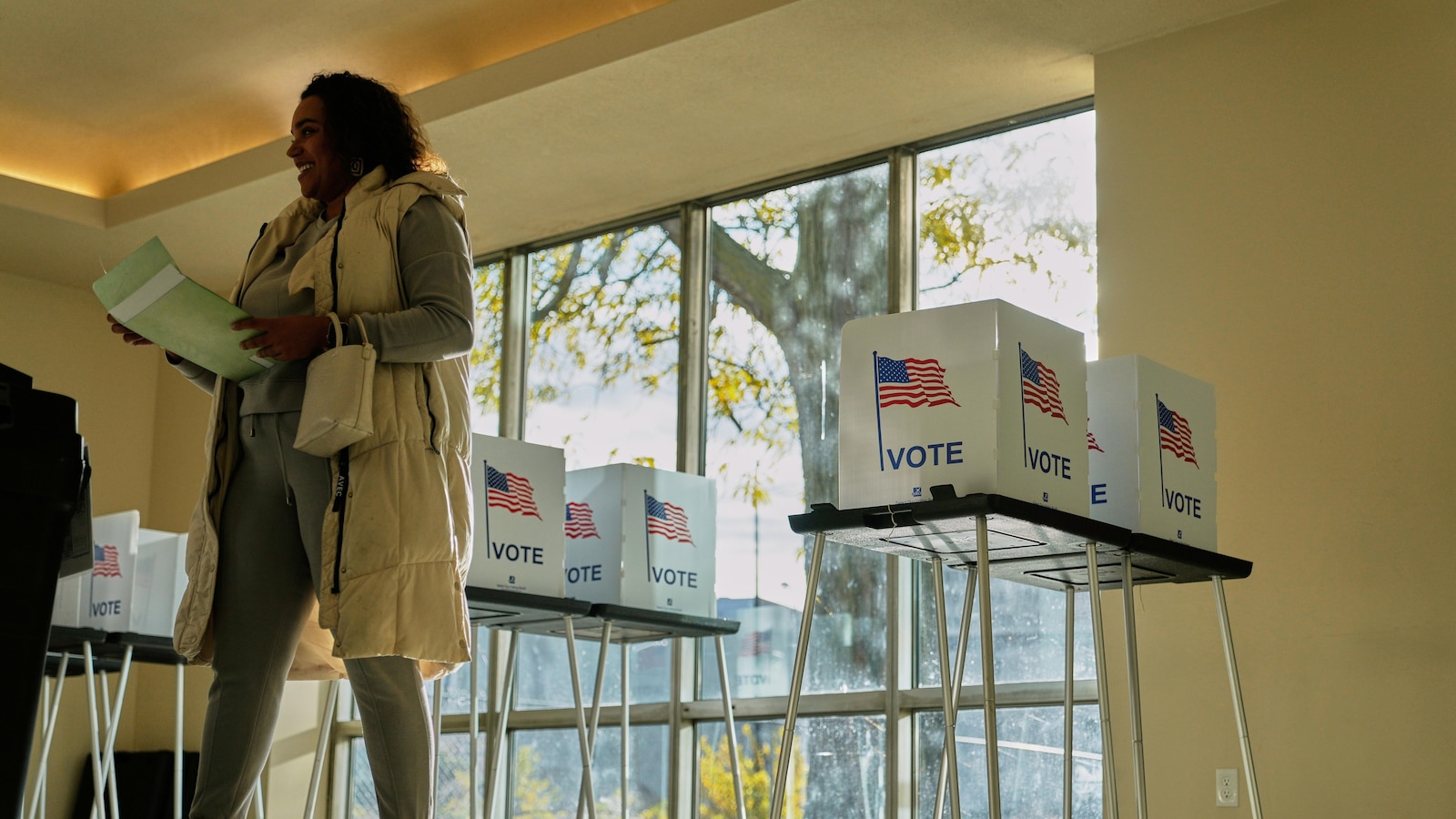
 ABC News
Republican voter ID bill stalls in Senate despite Trump demands

 CNN
CNNDespite Trump push for voter ID law, Senate Republicans say votes aren’t there to change filibuster rules | CNN Politics

 Daily Caller
Trump Wants The Senate To Pass Nationwide Voter ID — But It’s Not That Simple
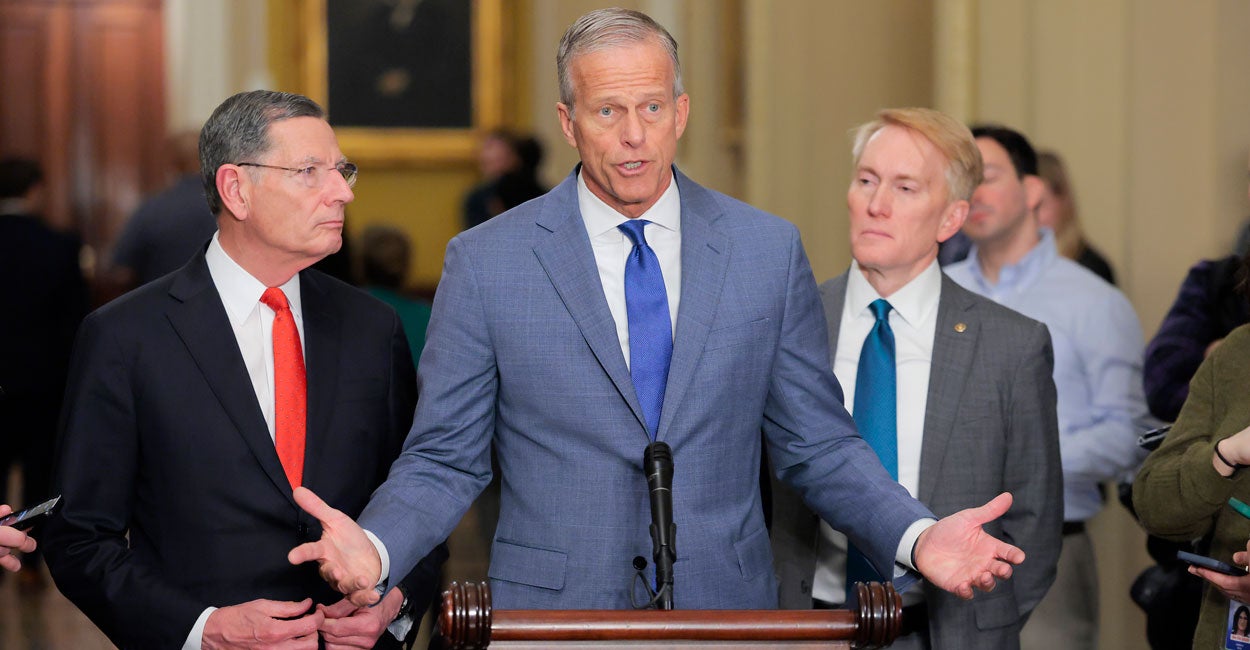
 Daily Signal
Future of SAVE America Act in Limbo as Senate GOP Turns to Housing
Overview
Senate Majority Leader John Thune said Senate Republicans are not unified on using a talking filibuster to pass the SAVE America Act despite President Donald Trump’s State of the Union demand.
The SAVE America Act would require documentary proof of U.S. citizenship to register and a photo ID to vote in federal elections, and the House approved the bill 218-213.
Sen. Mike Lee urged exhausting a Democratic speaking filibuster to force passage, while Sen. Lisa Murkowski and Sen. Thom Tillis warned against changing filibuster rules, senators said.
Republicans hold a 53-47 Senate majority, but voting experts warned that more than 20 million U.S. citizens lack ready proof of citizenship and almost half of Americans do not have a U.S. passport, critics said.
Thune said he will bring the SAVE Act to a vote, but he acknowledged the process and the approach to overcome Democratic opposition remain open questions as the GOP conference discusses how to proceed.
Analysis
Center-leaning sources frame the story as skeptical of the GOP push, using evaluative language (calling Trump’s 2020 fraud assertions "false claims"), privileging experts ("voter fraud is extremely rare") and emphasizing disenfranchisement and procedural risks. Editorial choices—lead placement, expert selection, and highlighted consequences—shape a cautionary narrative; GOP quotes appear as source content.
FAQ
The SAVE America Act (Safeguard American Voter Eligibility Act) requires individuals to provide documentary proof of U.S. citizenship when registering to vote in federal elections and mandates photo identification at the time of voting.[1][4] Acceptable forms of proof include documents complying with the REAL ID Act of 2005 that indicate citizenship, valid U.S. passports, and military identification cards with military service records.[3] The bill also requires states to establish programs to identify and remove noncitizens from voter rolls and allows for private lawsuits against election officials who register voters without proper citizenship documentation.[1]
Critics argue that the documentary proof of citizenship requirement would disenfranchise millions of eligible American voters because more than 21 million Americans lack ready access to documents like passports or birth certificates.[7] Roughly half of Americans don't have a passport, and millions lack paper copies of birth certificates.[7] The requirement would disproportionately affect younger voters, voters of color, and women whose married names don't appear on their birth certificates or passports.[7] Additionally, a coalition of state attorneys general contend that noncitizen voting is exceedingly rare and has never been shown to impact federal election outcomes, while documentary proof requirements have repeatedly disenfranchised tens of thousands of eligible voters.[6]
The House of Representatives approved the SAVE America Act on February 11, 2026, with a vote of 218-213.[5] The bill is now in the Senate, where Majority Leader John Thune acknowledged that Republicans lack unified support to use a talking filibuster to pass it despite President Trump's demand for approval.[4][5] Republicans hold a 53-47 Senate majority, but Thune said the process and approach to overcome Democratic opposition remain open questions as the GOP conference discusses how to proceed.[5]
The SAVE Act would override state voter registration procedures and require documentary proof of citizenship for all new registrants, including those updating their registration due to moves, name changes, or party switches.[3][5] The bill would effectively eliminate online, mail-in, and automatic voter registration nationwide by requiring Americans to present documentary proof of citizenship in person to register or update voter information.[6] Additionally, voters applying for absentee or mail-in ballots would need to provide photocopies of identification at both application and voting stages, a requirement currently not practiced by most states.[5]
No, according to multiple sources, noncitizen voting is exceedingly rare and has never been shown to impact federal election outcomes.[6] Federal law has already prohibited noncitizens from voting in federal elections since the Illegal Immigration Reform and Immigrant Responsibility Act of 1996, and citizenship is already a requirement to vote.[4] Current federal law also requires registrants to affirm their eligibility to vote when registering, and these existing mechanisms are working effectively.[6]
