Judge Extends Injunction Shielding Minnesota Refugees
A judge converted a January temporary restraining order into a preliminary injunction shielding Minnesota refugees from arrests tied to a DHS Feb. 18 policy on custody after one year.
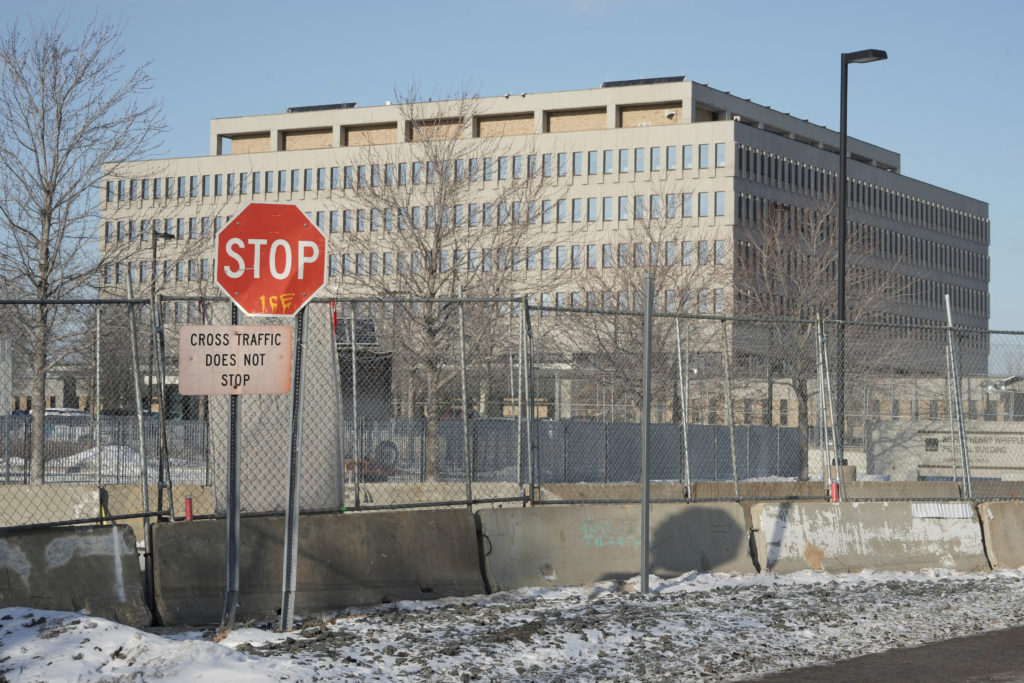
 PBS NewsHour
Judge extends order protecting refugees in Minnesota from being arrested and deported
 The Guardian
Judge blocks arrest and detention of some lawful refugees in Minnesota
 Associated Press
Federal judge extends order protecting refugees in Minnesota from being arrested and deported
 PBS NewsHour
These refugees were already admitted to the U.S. The Trump administration is detaining and questioning them anyway
Overview
Judge John Tunheim converted a temporary restraining order issued in January into a preliminary injunction shielding Minnesota refugees from arrest and deportation.
The order responded to a Department of Homeland Security memo announced on Feb. 18 that said refugees applying for green cards must return to federal custody one year after admission.
Tunheim wrote in a 66-page opinion that the government's new policy "turns the refugees' American Dream into a dystopian nightmare."
The administration said it could arrest "potentially tens of thousands" nationwide; the injunction covers Minnesota refugees without permanent resident status who have not been charged with removal.
The injunction remains while the case proceeds, after testimony that one refugee identified as D. Doe was arrested in January, flown to Texas, interrogated and kept in shackles for sixteen hours.
Analysis
Center-leaning sources frame this coverage by foregrounding a sympathetic judicial ruling and vivid refugee anecdote, elevating critical language (e.g., "dystopian nightmare") through prominent placement. Much of the charged wording appears as source content (judge and advocates’ quotes); editorial framing shows up in quote selection, ordering, and limited presentation of government rebuttal.
FAQ
Operation PARRIS (Post-Admission Refugee Reverification and Integrity Strengthening) is a Department of Homeland Security initiative launched to target refugees already admitted to the United States for re-screening and potential arrest. The Trump administration asserts the operation is necessary to identify immigration fraud among refugees who entered legally but have not yet obtained green cards, and they claim Minnesota is a focal point in this enforcement effort. However, Judge Tunheim found no credible evidence supporting the government's claims about national security risks, noting there was "not a shred of evidence" that the refugees posed serious security threats.
Customs and immigration officials have estimated that approximately 5,600 newly arrived refugees in Minnesota have not yet received their green cards and are therefore potentially affected by Operation PARRIS.[2]
Judge Tunheim found the government's definition of "return" to custody illogical because refugees are not permitted to apply for legal resident status until one year after admission to the country. This rule creates an impossible situation where refugees cannot voluntarily turn themselves in before their 366th day in the country—the point at which the government claims it can take them into custody.[3]
Judge Tunheim granted the preliminary injunction on five legal grounds: violations of the Refugee Act's statutory provisions, procedural due process violations, substantive due process violations, Fourth Amendment violations, and violations of the Administrative Procedure Act (APA). He found that the government's policy exceeded its statutory authority and that the memos authorizing it did not reflect the actual policy being implemented in Minnesota.[4]
The order protecting refugees from arrest and deportation applies only in Minnesota.[1] However, the Trump administration announced on February 19 a new national policy regarding refugee custody that could affect potentially tens of thousands of refugees across the entire United States.[1]

