Supreme Court Pauses California Trans Student Privacy Law
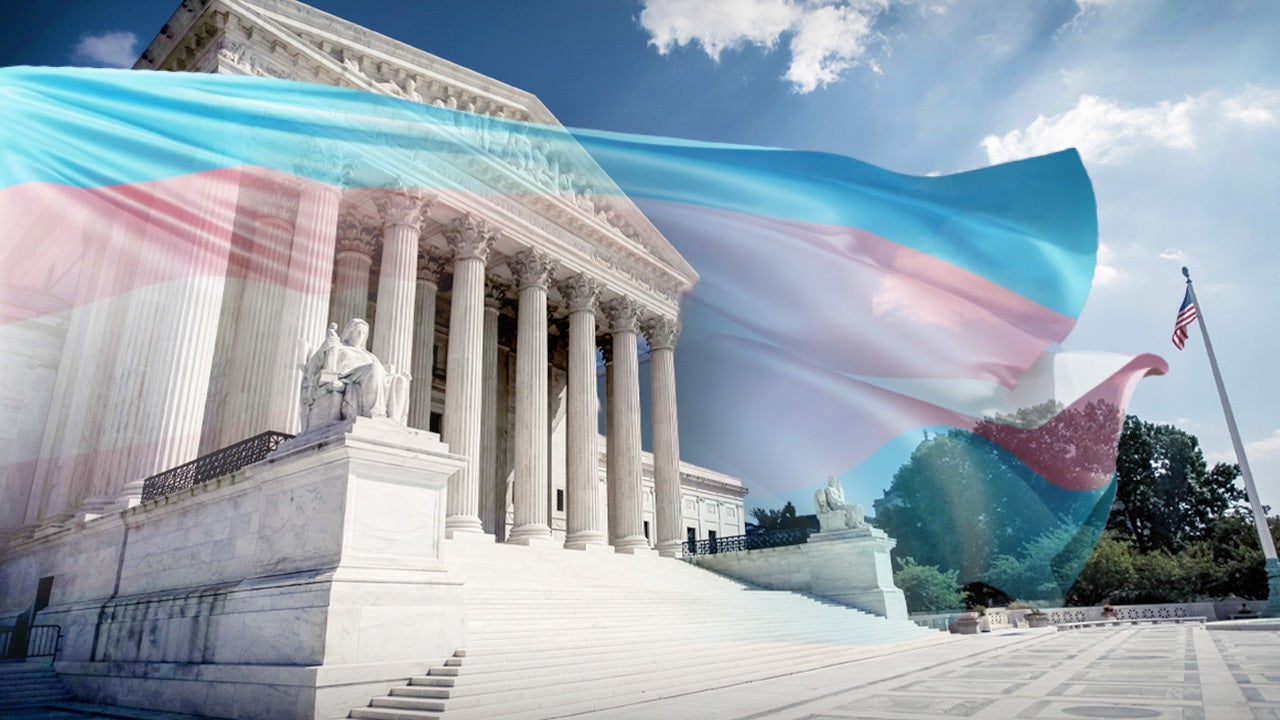
The unsigned Supreme Court order blocks a California law that limited parental notification about students' gender identity, reinstating a lower-court injunction while the case proceeds.

 New York Post
Newsom torn apart for attacking SCOTUS ruling on trans students: ‘Insane ideology above parents’
 FOX News
Supreme Court ruling on secretive California gender policy could reshape parent rights fights nationwide

 Townhall
Supreme Court Ruling on California's Anti-Parental Rights Policy Regarding Trans-Identified Children

 Breitbart News
Supreme Court Blocks California’s School Gender Secrecy Policy in Victory for Parental Rights
Overview
On Monday the Supreme Court issued an unsigned order reinstating a lower-court injunction that blocks California's law and school policies that restricted parental notification about students' gender identity while litigation continues.
The case, Mirabelli v. Bonta, arose from lawsuits by two sets of Catholic parents and teachers represented by the Thomas More Society challenging policies that prevented schools from notifying parents and required use of preferred names and pronouns.
Marissa Saldivar, a spokesperson for Gov. Gavin Newsom, said the order undermines student privacy and the ability to learn, while conservative advocates and the Thomas More Society hailed the decision as a major parental rights victory.
The 9th U.S. Circuit Court of Appeals had allowed the state's policies to remain while litigation continued before the Supreme Court vacated that ruling, and Justices Clarence Thomas and Samuel Alito said they would have extended relief to teachers.
The litigation will continue through the lower courts while the injunction remains in effect, and Justices Elena Kagan and Ketanji Brown Jackson dissented, criticizing the Court's emergency intervention.
Analysis
Center-leaning sources frame this coverage to privilege legal restraint and state authority, emphasizing precedents (Glucksberg, Abigail Alliance) and quoting judges characterizing regulation as longstanding. language choices like "striking" and "correctly summarized," selective citation of regulatory cases, and contrast with Skrmetti prioritize skepticism about a constitutional right to obtain treatments.
FAQ
The case challenges California school policies and state guidance that require schools to conceal students' gender transitions from parents without student consent and compel teachers to use preferred names and pronouns, alleging violations of First Amendment Free Exercise and Fourteenth Amendment Due Process rights.