Starmer Defends Limited UK Role After Trump Criticisms
Starmer allowed US planes to use British bases for defensive strikes while refusing immediate offensive participation without a lawful basis, drawing criticism from President Trump and Conservative opponents.
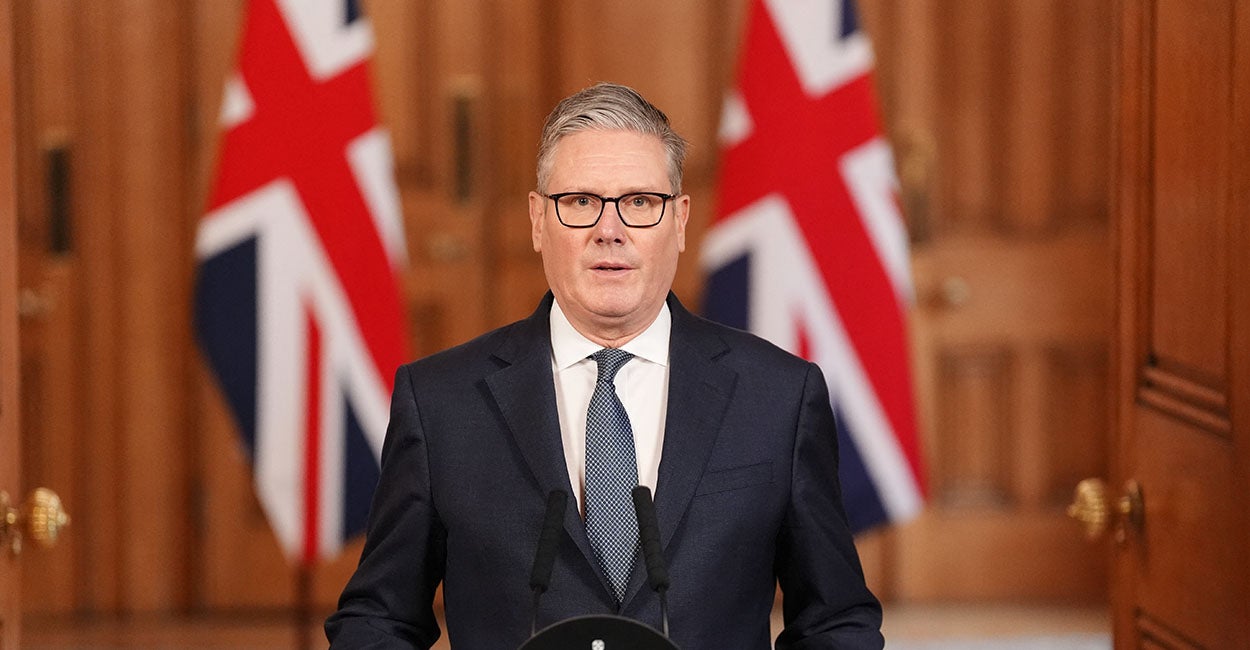
 Daily Signal
The Humiliation of Keir Starmer. Is This the End of the US-UK 'Special Relationship'?

 Washington Examiner
Starmer defends waffling on Iran, fights Trump criticism
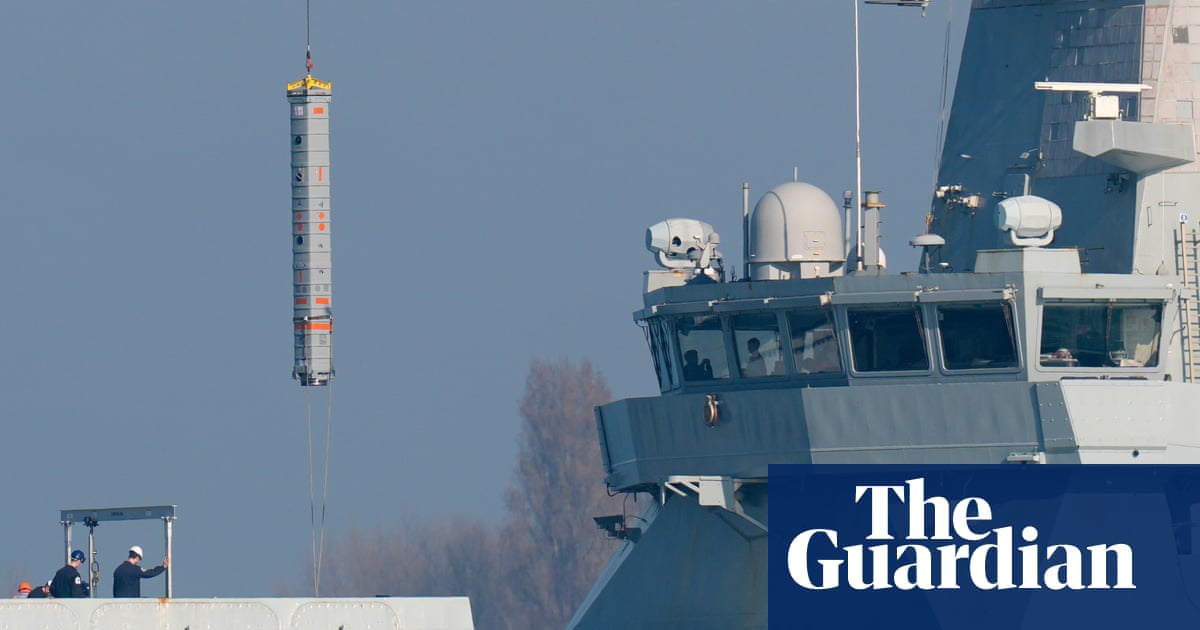
 The Guardian
Starmer’s slow start in the war against Iran could leave UK playing catch-up
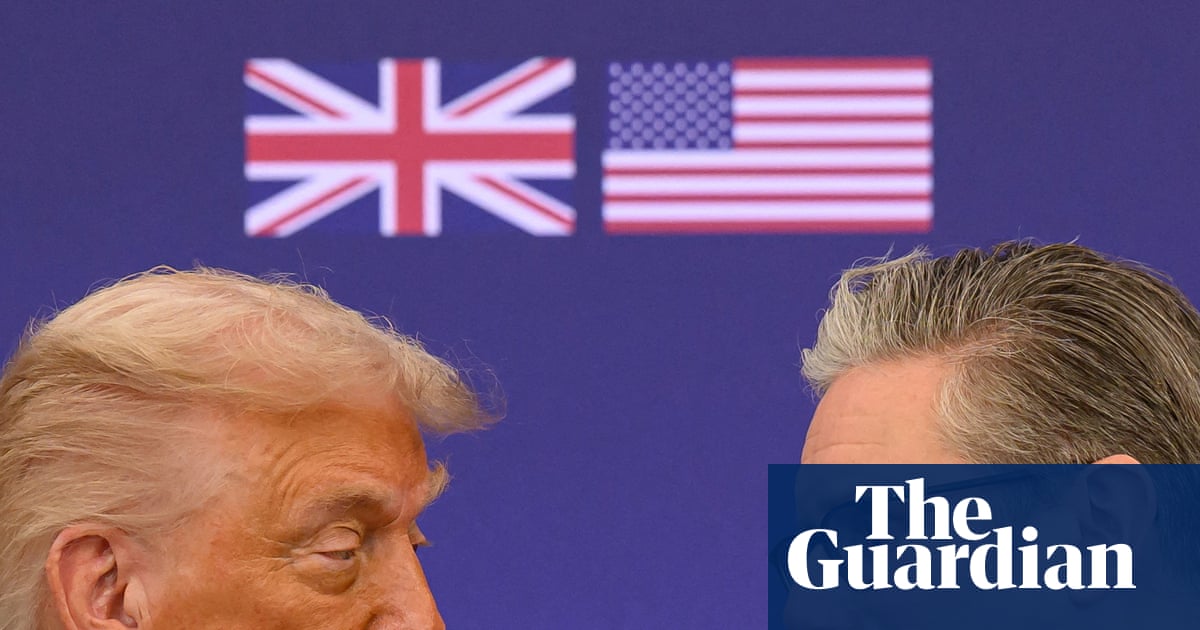 The Guardian
‘He’s no Winston Churchill’: why Starmer can shrug off Trump’s insults over Iran
Overview
Prime Minister Keir Starmer said on Sunday he would not join an initial offensive without a lawful basis and viable plan while allowing US planes to use British bases for defensive strikes.
The concession followed US-Israeli strikes on Iran and Iranian reprisals that have hit Gulf states, a British base in Cyprus, and a base in Bahrain where about 300 British personnel were present.
President Donald Trump criticised Starmer as "not Winston Churchill" for the initial refusal and Conservative leader Kemi Badenoch accused the prime minister of failing to take offensive action, officials and MPs said.
Officials said HMS Dragon was being loaded with ammunition in Portsmouth and expected to sail next week, and two Wildcat helicopters armed with Martlet missiles were due to arrive separately in Cyprus.
Starmer announced two more charter flights from Oman to help British nationals, the Iranian ambassador was summoned, and officials said US bombers might use Diego Garcia or RAF Fairford in the coming days.
Analysis
Center-leaning sources present balanced coverage, giving both Keir Starmer's legal caution and Conservative criticism through direct quotes. Editorial language remains neutral; loaded terms ("shocking", "not what it was") are presented as source content. Reporting includes concrete deployment details and multiple viewpoints, avoiding selective omission and an obvious narrative slant.
FAQ
Starmer stated that military action must be lawful and have a viable plan before proceeding with offensive operations[3]. He distinguished between defensive actions, which the UK would undertake to protect its personnel and allies, and offensive strikes, which he refused to join initially without a proper legal and strategic basis[1][3]. This position drew criticism from President Trump, who compared Starmer unfavorably to Winston Churchill[1].
British planes have been active in the Middle East taking down Iranian drones and missiles that threatened coalition bases and personnel[4]. Defence Secretary John Healey revealed that UK forces are "taking down the drones that are menacing either our bases, our people or our allies" and that the UK has "stepped up our defensive forces in the Middle East" alongside American forces[4]. British jets intercepted Iranian strikes as part of coordinated regional defensive operations[2].
Yes, on Sunday evening (March 1, 2026), Prime Minister Starmer authorized the United States to attack Iran from all UK military bases, including Diego Garcia in the Indian Ocean and RAF Fairford in England, for what the government characterized as "specific and limited defensive" purposes[2]. This represented a shift from Starmer's initial refusal to permit these bases to be used in Saturday's initial strikes[1].
The UK has a permanent or semi-permanent military presence in Bahrain, Qatar, and the United Arab Emirates, with approximately 300 British personnel stationed at a base in Bahrain[2]. In late January 2026, Britain deployed a squadron of Typhoon jets to Al Udeid Air Base near Doha, Qatar[1]. Additional reinforcements included HMS Dragon being loaded with ammunition and two Wildcat helicopters armed with Martlet missiles due to arrive in Cyprus[1].
Starmer announced two additional charter flights from Oman to help evacuate British nationals from the Middle East[1]. The government also summoned the Iranian ambassador in response to Iranian attacks[1]. These measures follow Iranian strikes that hit a British military base in Cyprus and came close to personnel at a base in Bahrain[2].