Treasury Says Trump’s 15% Global Tariff To Take Effect
Treasury Secretary Scott Bessent said the administration will raise a 10% global tariff to 15% this week and use other trade authorities to restore earlier tariff levels after a Supreme Court ruling.
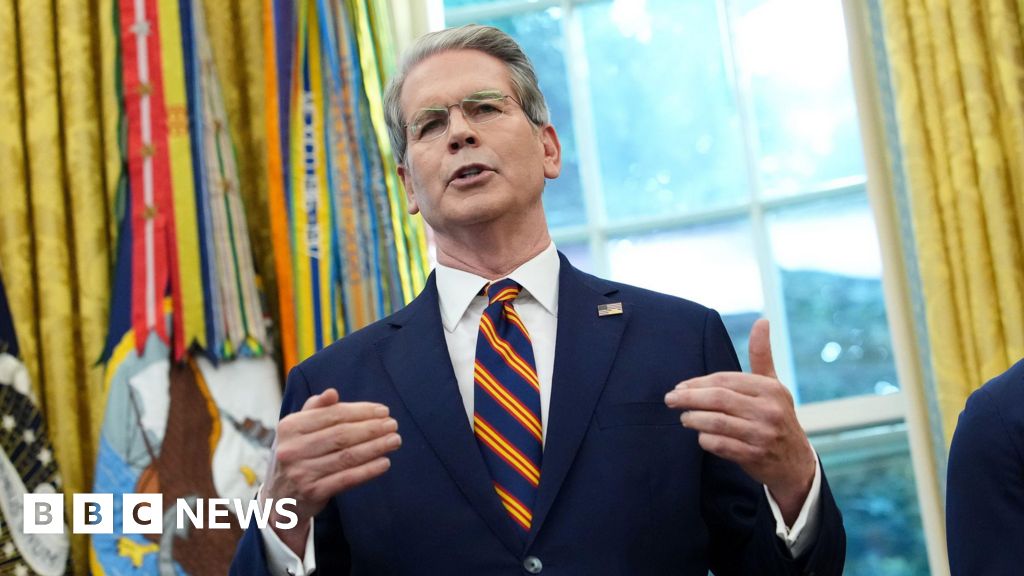
 BBC News
Higher tariffs likely this week, says US Treasury
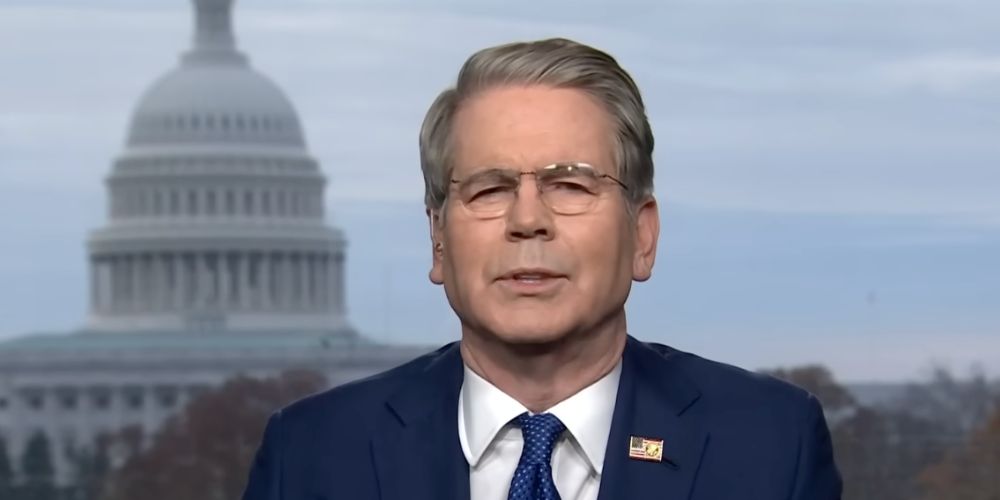
 The Post Millennial
Trump’s 15% global tariffs to go into effect this week: Treasury Sec
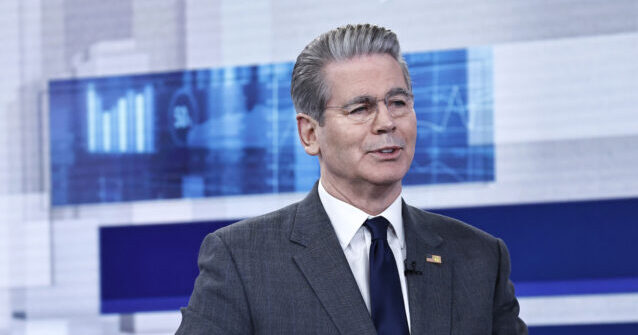
 Breitbart News
Bessent Says Global Tariff Rate Likely to Rise to 15% This Week

 CNBC
CNBCBessent says global 15% tariff starts this week, predicts Trump duties will return to old levels later this year
Overview
Treasury Secretary Scott Bessent said the administration will raise the across-the-board global tariff to 15 percent this week.
The announcement follows the Supreme Court's Feb. 20 ruling that IEEPA did not authorize the earlier broad tariffs and the White House's temporary use of Section 122 to impose a 10 percent levy.
Senate Democrats, including Ron Wyden and Edward J. Markey, urged refunds and proposed legislation to require repayment of the struck-down tariffs, lawmakers and officials said.
Experts said firms could seek as much as $130 billion in refunds and the Cato Institute estimated $23 million in interest each day that refunds are delayed.
Bessent said the Section 122 tariffs last 150 days unless extended and he expected tariff rates to return to previous levels within five months while using Section 301 and 232 processes to build more durable duties.
Analysis
Center-leaning sources present this coverage neutrally, prioritizing factual context and direct sourcing. They pair Bessent's forecasted timeline and quoted belief with factual legal background (Supreme Court ruling, use of IEEPA versus Section 122) and note the 15%/10% discrepancy, relying on sourced statements rather than loaded language or selective omission.
FAQ
Section 122 allows the president to impose tariffs up to 15% to address a 'large and serious balance-of-payment deficit' without requiring an investigation, but these tariffs cannot last more than 150 days unless Congress approves an extension.[1][2] No president had previously invoked this authority before Trump.
The U.S. Supreme Court dealt a 6-3 decision striking down Trump's tariffs imposed under the International Emergency Economic Powers Act (IEEPA), ruling that the president had overstepped his authority.[1] Within hours of this ruling, Trump pivoted to Section 122 as an alternative legal mechanism to impose tariffs.
According to economists, the average effective tariff rate will drop from just under 13% to just under 7% after the 150-day period expires, unless Congress votes to extend the Section 122 tariffs.[1] Treasury Secretary Bessent indicated the administration expects to restore tariff rates to previous levels within five months using other trade authorities like Section 301 and 232 processes.
Yes, the White House released a fact sheet that includes exemptions similar to those in the earlier tariffs, covering sectors such as energy, pharmaceuticals, autos, and aerospace.[2]
Experts said firms could seek as much as $130 billion in refunds from the tariffs invalidated by the Supreme Court's ruling, with the Cato Institute estimating $23 million in interest accrues each day that refunds are delayed. Senate Democrats have urged refunds and proposed legislation to require repayment of the struck-down tariffs.