States Sue To Block Trump's New Global Tariffs
Roughly 22–24 Democratic attorneys general and two governors sued to block 10% tariffs imposed under Section 122, seeking refunds and asking the U.S. Court of International Trade to rule the levies unlawful.
 PBS NewsHour
Multiple states sue over Trump's new global tariffs imposed after his Supreme Court loss
 PBS NewsHour
News Wrap: More than 20 states sue Trump over planned 15% global tariff
 FOX News
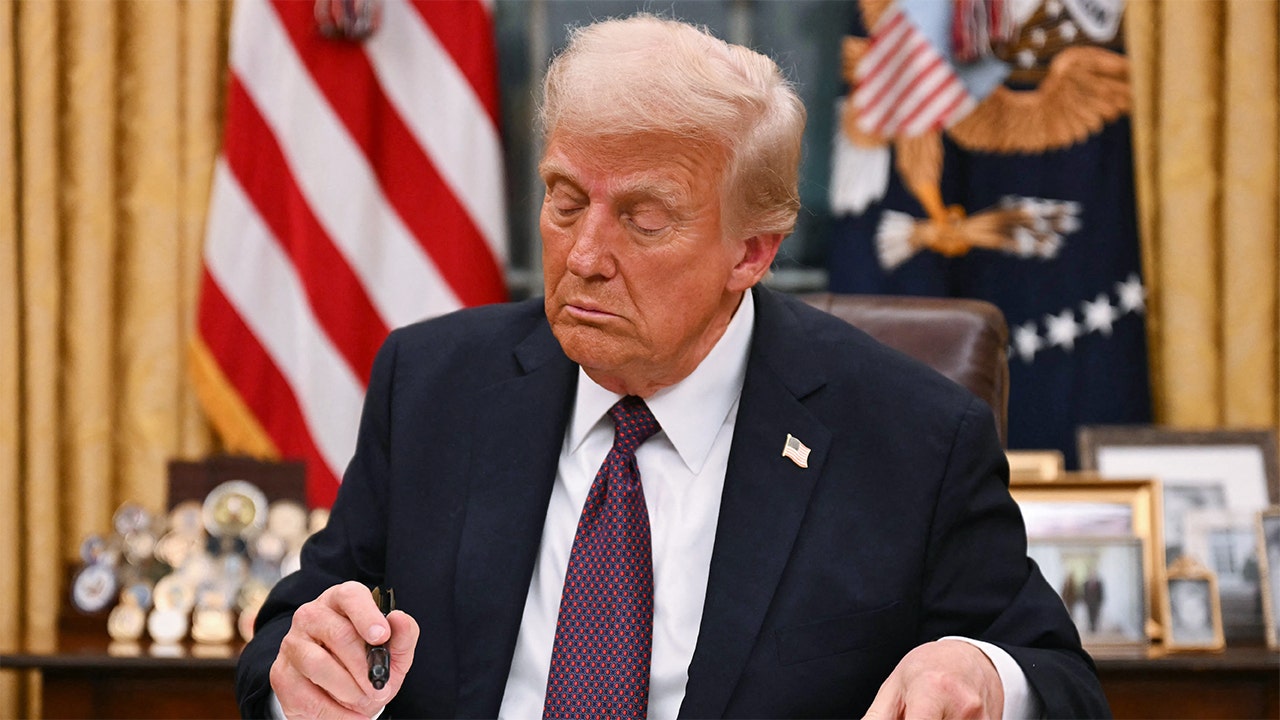
Trump’s new tariff plan barrels back to court following multistate lawsuit
 CBS News
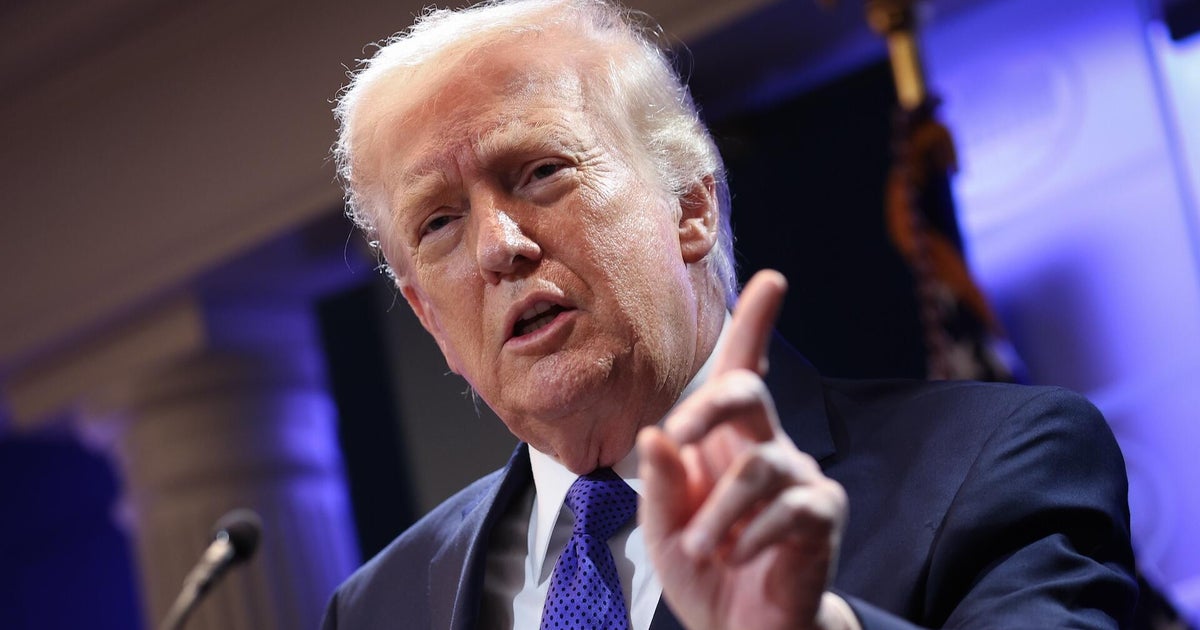
24 states sue Trump administration over tariffs imposed after Supreme Court ruling
Overview
A coalition of roughly 22 to 24 Democratic attorneys general and two governors sued the Trump administration to block the new global tariffs imposed under Section 122 and asked the U.S. Court of International Trade to rule the levies unlawful.
The suit targets temporary 10% tariffs the White House imposed after the Supreme Court struck down IEEPA tariffs on Feb. 20, and follows administration statements that it would raise the levies to the 15% Section 122 limit.
State officials including Oregon Attorney General Dan Rayfield and Arizona Attorney General Kris Mayes said the administration is overstepping and cited costs to consumers, while White House spokesman Kush Desai said the president will vigorously defend the action.
The complaint was led by attorneys general from New York, California, Oregon and Arizona and named Illinois and many other states, and trade experts estimate the government could owe as much as $175 billion to businesses that paid IEEPA levies.
The states asked the Court of International Trade to block the Section 122 tariffs and order refunds, and Treasury Secretary Scott Bessent and the White House said the administration plans to defend and raise the tariffs to 15%.
Analysis
Center-leaning sources frame the story as a partisan legal challenge highlighting alleged unlawfulness and executive overreach, foregrounding Democratic officials' charged language ('unlawful tariffs', 'power-grab', 'ridiculous') while giving the White House brief rebuttals ('vigorously defend', 'using his authority'). Editorial choices — lead placement and quote selection — prioritize plaintiffs' narrative.
FAQ
Section 122 authorizes the President to impose temporary import surcharges up to 15% ad valorem for up to 150 days to address fundamental international payments problems, such as large balance-of-payments deficits or imminent dollar depreciation.
The U.S. Supreme Court invalidated the IEEPA tariffs on February 20, 2026, prompting the Trump administration to replace them with Section 122 tariffs.
Exceptions include products qualifying for USMCA preferential treatment, goods subject to Section 232 tariffs, civil aircraft and parts, critical minerals, energy products, agricultural goods, pharmaceuticals, and electronics.
The lawsuit was led by attorneys general from New York, California, Oregon, and Arizona, involving roughly 22-24 Democratic attorneys general and two governors.
The tariffs are currently at 10% effective February 24, 2026, for up to 150 days until July 24, 2026; the administration plans to raise them to 15%, though not yet implemented.
