FDA Vaccine Chief Vinay Prasad To Leave Agency at End of April
Prasad is exiting CBER amid industry disputes over Moderna’s mRNA flu shot and UniQure’s gene therapy; FDA Commissioner Marty Makary said a successor will be named before Prasad returns to UCSF.




Overview
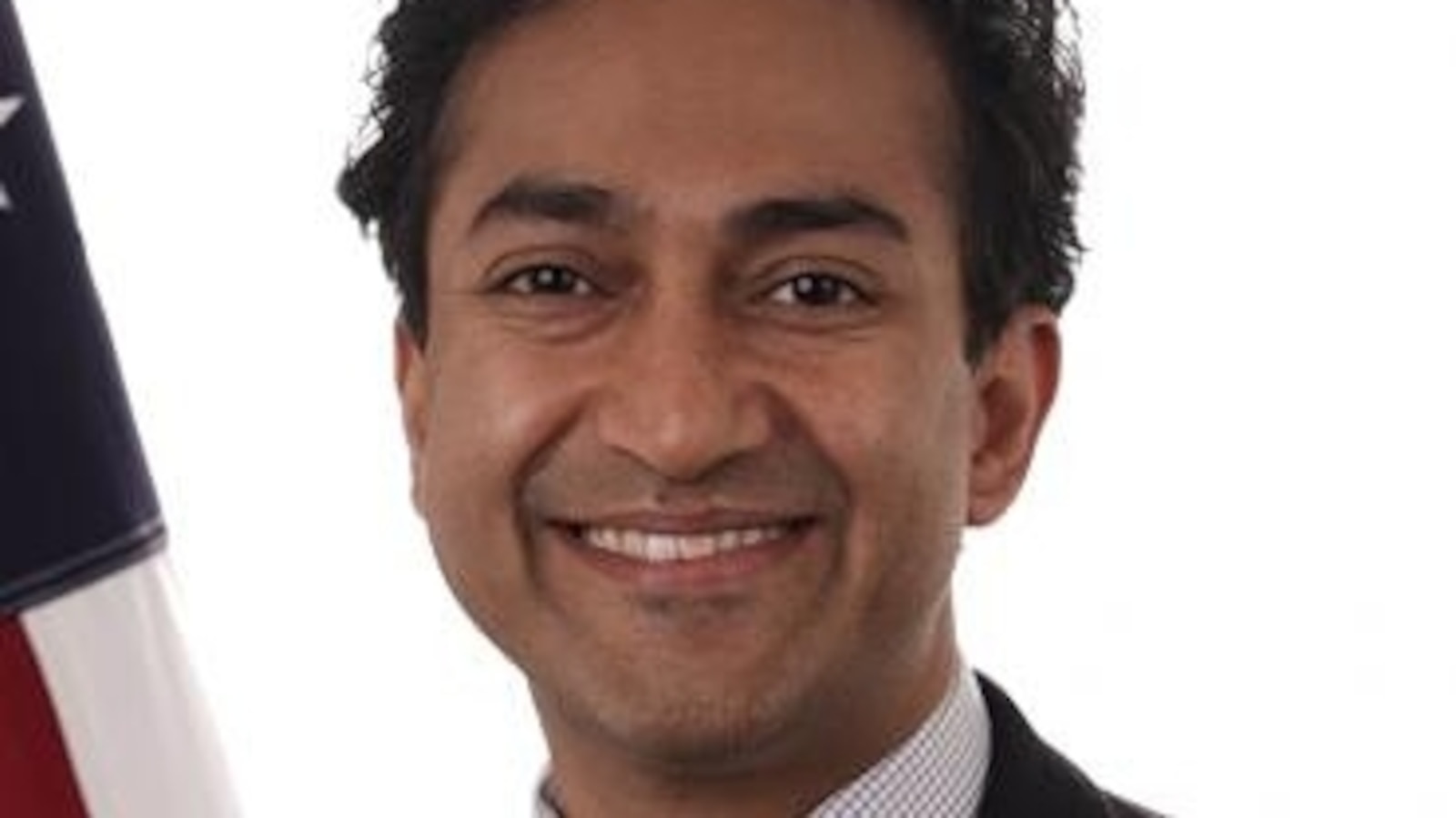
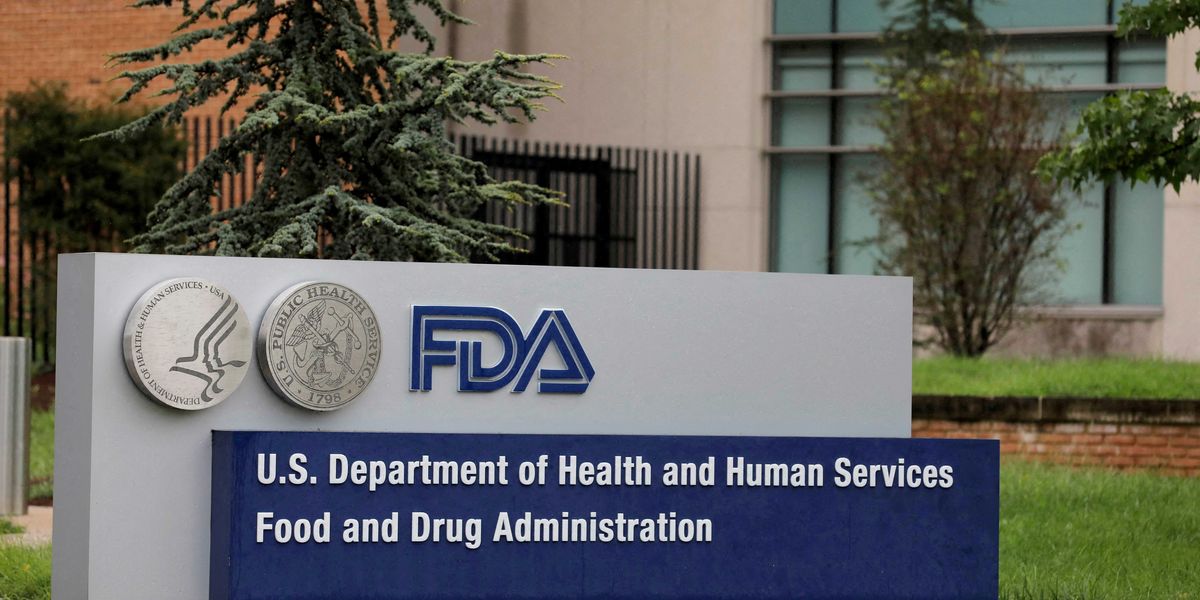
Dr. Vinay Prasad will leave the Food and Drug Administration at the end of April, an agency spokesperson and FDA Commissioner Marty Makary said.
Prasad's departure is his second in less than a year after he briefly stepped down in July and returned about two weeks later with backing from Makary and Health Secretary Robert F. Kennedy Jr.
The exit follows industry criticism after Prasad initially refused to allow the FDA to review Moderna's mRNA flu vaccine and after a public dispute with UniQure over a Huntington's disease gene therapy and additional study demands.
Reporting cited that the agency denied or discouraged at least eight drugs and that more than a half-dozen drugmakers received rejection letters or requests for additional studies, according to the sources.
Makary said a successor will be named before Prasad returns to the University of California San Francisco, and the FDA faces scrutiny amid recent leadership turnover at other federal health agencies.
Analysis
Center-leaning sources frame Prasad as a contentious, embattled regulator by using loaded descriptors ("embattled," "ousted," "highly unusual"), emphasizing conflicts and reversals, foregrounding a blunt anonymous FDA critique, and noting political ties (Kennedy’s anti-vaccine past). the coverage highlights industry pushback while offering limited pro-Prasad context.
FAQ
Prasad is departing at the end of April following industry disputes over his regulatory decisions, particularly his initial refusal to allow FDA review of Moderna's mRNA flu vaccine and a public dispute with UniQure over demands for additional studies on a Huntington's disease gene therapy. His strict approach to drug approvals drew criticism from multiple biotechnology companies, with reporting indicating the FDA denied or discouraged at least eight drugs under his leadership.
Prasad is a hematologist-oncologist and former epidemiology professor at the University of California, San Francisco, known for his combative social media presence and criticism of the FDA. He has published extensively on drug approval pathways, arguing that surrogate endpoints can be used for accelerated approval of medicines provided there is a post-marketing commitment for at least one trial measuring survival and quality of life.[2]
As chief medical and scientific officer in addition to directing CBER, Prasad held expanded authority over the FDA's vaccine, cell and gene therapy regulation, and advised FDA Commissioner Marty Makary on cross-cutting medical policy and regulatory decisions across multiple FDA centers. This dual role gave him considerable influence over the agency's drug approval standards and policies.[1]
Prasad's appointment came after his predecessor Peter Marks resigned in March following conflicts with Health Secretary Robert F. Kennedy Jr. over vaccine policy. Kennedy, who took office in February, criticized the FDA as wasteful and inefficient and initiated mass firings across federal health agencies. Prasad's nomination and subsequent departure reflect the significant leadership turnover occurring across federal health agencies during this period.
