Iran Conflict Drives Oil and Gas Prices and Peril for Midterm Politics
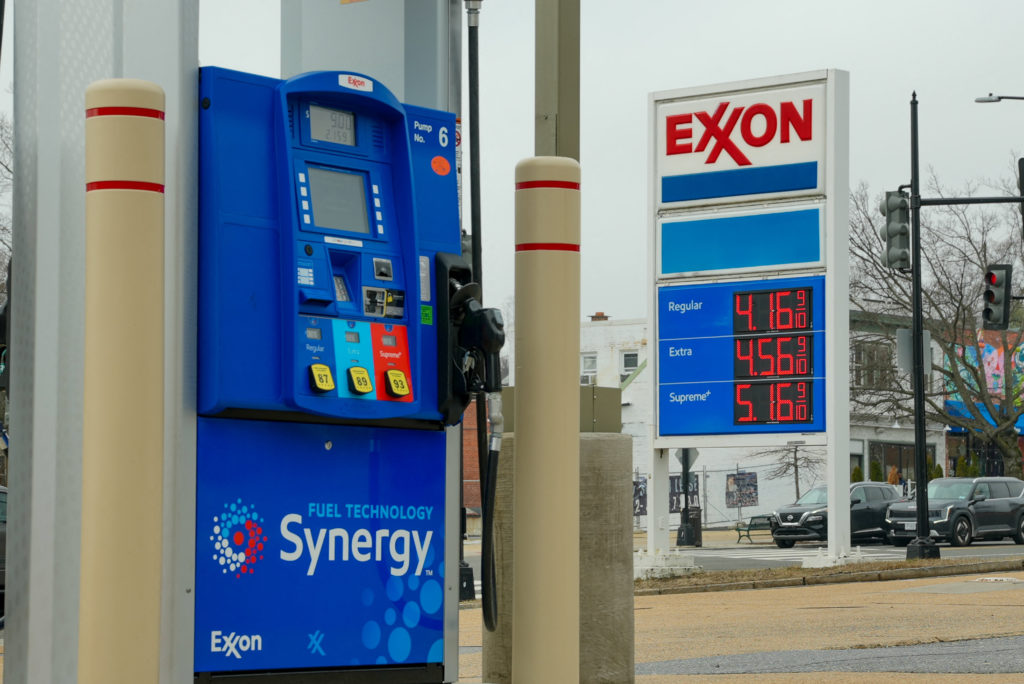
U.S.-Israeli strikes on Iran lifted crude above $90 and pushed U.S. gas to about $3.4, complicating affordability messaging ahead of midterm elections.




Overview
Crude oil has jumped above $90 per barrel, with American crude at $90.90 and Brent at $92.69, after U.S.-Israeli strikes escalated the conflict with Iran.
The U.S.-Israeli attacks have disrupted flows through the Strait of Hormuz and damaged regional oil and gas facilities, stranding ships that carry roughly 20 million barrels of oil a day.
Democratic lawmakers have criticized the administration for starting the conflict and linking it to rising energy costs, while the president said U.S. operations were expected to last four to five weeks and could go longer.
U.S. gas averages rose to about $3.32 to $3.41 per gallon, increasing roughly 11–14% in a week, and polls found nearly 60% disapproved of military action while 61% disapproved of the president's economic job.
Officials issued a 30-day waiver on Russian oil sales to India and proposed about $20 billion in insurance for Gulf shipping, while analysts warned oil above $100 per barrel could cause non-linear economic effects.
Analysis
Center-leaning sources frame the story as a war-driven energy shock prioritizing consumer pain and market disruption. Editorial choices—repeated price figures, consumer complaints, and expert warnings—emphasize urgency and systemic risk (e.g., pump-side quotes, Salazar on persistent threats, and Trump’s military timeline). Direct quotes are treated as source content rather than editorial assertion.
FAQ
American crude is at $90.90 per barrel and Brent at $92.69 per barrel, following U.S.-Israeli strikes on Iran.
