Trump Pushes Militarized Campaign Against Latin American Cartels
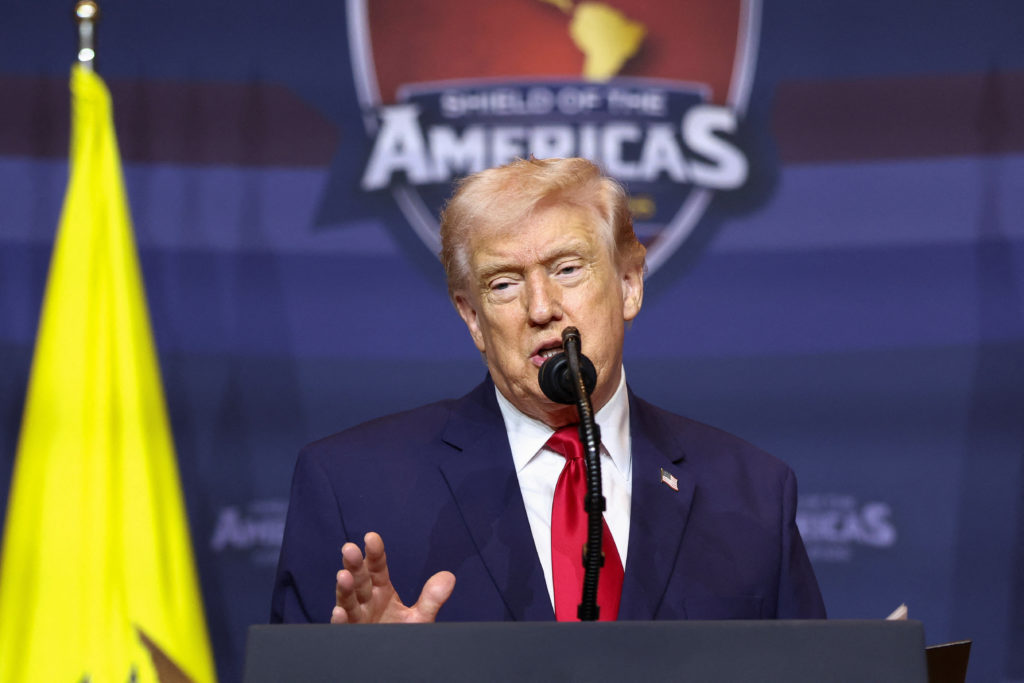
At the Shield of the Americas summit at Trump National Doral Miami, Trump urged regional militaries to attack cartels and signed a declaration creating an Americas Counter-Cartel Coalition.
 PBS NewsHour
Trump encourages Latin American leaders to use military action to help the U.S. fight cartels

 The Gateway Pundit
SHIELD OF THE AMERICAS: Trump Gathers Latin American Conservative Leaders, Vows To Use Military Against Cartels, Urges Others To Do the Same | The Gateway Pundit | by Paul Serran
 RedState
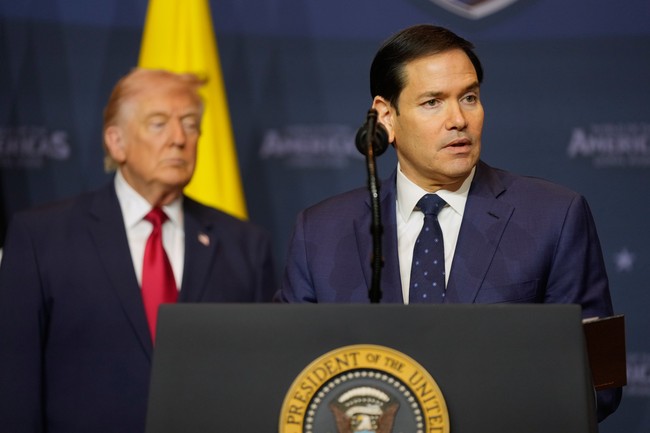
Rubio Shines in Viral Remarks at 'Shield of Americas' Meeting While Trump Hints Big News to Come on Cuba
 FOX News
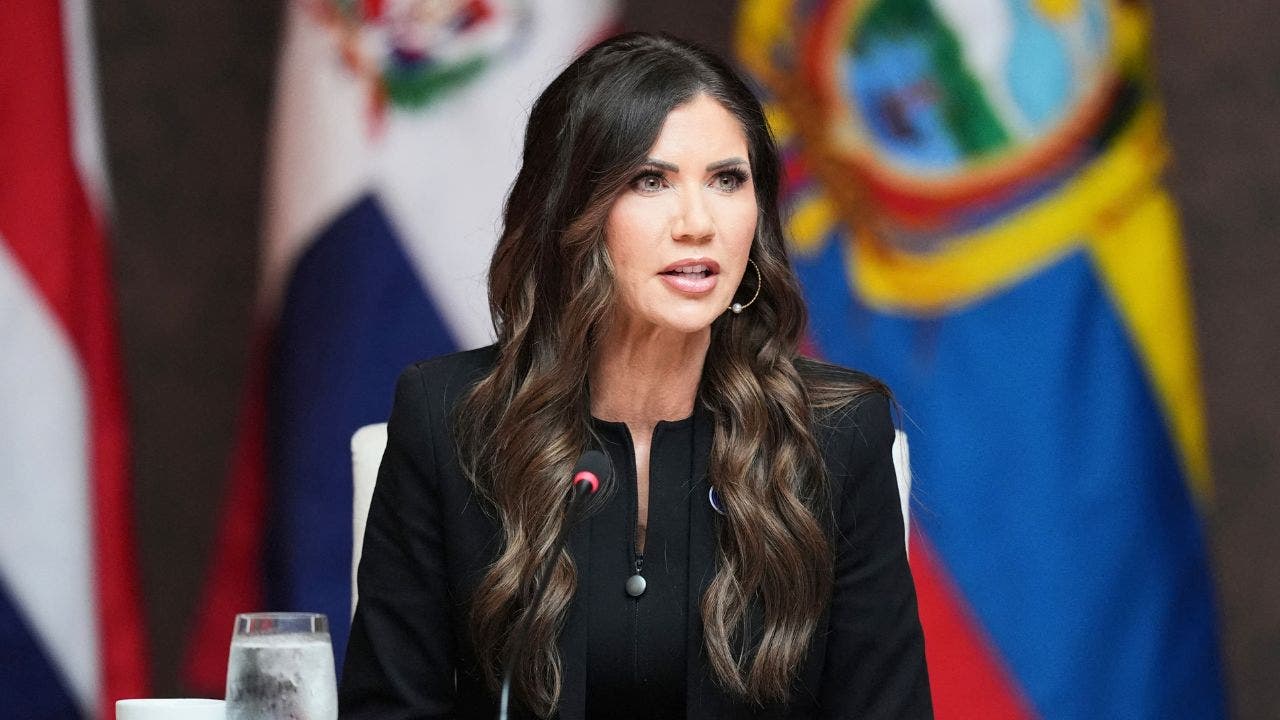
Noem thanks Trump for new Shield of the Americas special envoy role after DHS ouster
Overview
President Donald Trump urged Latin American leaders at the Shield of the Americas summit at Trump National Doral Miami to use their militaries against drug cartels and signed a declaration creating an Americas Counter-Cartel Coalition.
Trump framed the push around recent operations, citing a U.S.-Ecuador attack on a Comandos de la Frontera refuge in the Ecuadorian Amazon and a U.S. operation that captured Venezuela's then-president Nicolás Maduro.
The Dominican president, Luis Abinader, postponed a planned summit at the last minute citing "deep differences," after leftist leaders in Colombia and Mexico had threatened to pull out.
Twelve countries attended the summit, while Brazil, Mexico and Colombia were notably absent, underscoring regional divisions around the U.S. initiative.
Trump is scheduled to travel to Beijing later this month to meet with Chinese President Xi Jinping.
Analysis
Center-leaning sources frame the summit skeptically, using editorial choices to emphasize limitations and controversy. Language like "audacious" and "five-alarm crises" and selection of critical voices (Feinberg's depiction of a "crouched defensiveness", Gallagher on tariffs vs trade) are foregrounded, while supportive statements are bracketed or downplayed through placement and context.
FAQ
Twelve countries from Central America, South America, and the Caribbean joined the coalition at the Shield of the Americas summit[3]. However, several major regional powers notably declined to participate: Brazil, Mexico, and Colombia were absent, and the Dominican Republic's president Luis Abinader postponed his attendance at the last minute citing "deep differences"[3]. The search results do not provide a complete list of all twelve participating nations.
According to Trump's proclamation at the summit, the coalition's core agreement centers on "a commitment to using lethal military force to destroy the sinister cartels and terrorist networks"[3]. The U.S. will train and mobilize partner nation militaries to achieve effective fighting forces necessary to dismantle cartels and their ability to export violence[2]. The strategy also includes coordinating among allied governments to deny cartels territorial control, financing, and resources[1].
The search results indicate that leftist leaders in Colombia and Mexico threatened to pull out, and the Dominican Republic's president cited "deep differences" as the reason for postponing his attendance[3]. However, the specific objections or concerns from these countries are not detailed in the provided search results.
Trump has cited drug cartels as a primary reason for ramping up U.S. involvement in Latin America[3]. The administration frames cartels and transnational gangs as foreign terrorist organizations that control territories, conduct arms trafficking, wield military capabilities, and use assassinations and terrorism to achieve their ends[2]. Trump also emphasized recent joint operations, including a U.S.-Ecuador attack on a cartel refuge in the Ecuadorian Amazon and a U.S. operation that captured Venezuela's former president Nicolás Maduro[3].
Beyond the cartel coalition, the Trump administration has deepened direct involvement in Latin America by pressuring Venezuela over recent months and capturing its president Nicolás Maduro in January[3]. The administration has also tightened enforcement of the decades-long U.S. embargo on Cuba, and Trump stated that Cuba is interested in negotiating a deal with the U.S.[3]. Additionally, Trump is scheduled to travel to Beijing later in March 2026 to meet with Chinese President Xi Jinping[3].
